
Wisdom Tooth Cutting Into Cheek: Relief & Solutions (2026)
Is your wisdom tooth cutting into your cheek? Discover instant home relief, why third molars rub against cheek tissue, and modern dental solutions.
Disclosure: This post contains affiliate links. If you buy through them, we may earn a small commission at no extra cost to you.
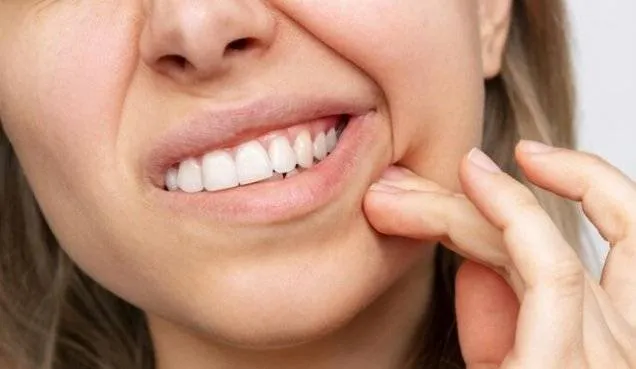
If you have a wisdom tooth cutting into cheek tissue, it is usually caused by an angled or partially erupted third molar growing without enough jaw space, forcing sharp enamel directly against delicate oral skin.
To stop immediate cheek biting and pain, apply orthodontic dental wax over the sharp tooth edges, rinse with warm saline to alleviate tissue inflammation, and consult a dentist. Modern dentistry typically resolves misaligned wisdom teeth through minor tooth smoothing or surgical extraction to prevent chronic cheek ulcers and infection.
- Main Cause: A lack of jaw space forces erupting third molars to grow at an angle toward the cheek.
- Immediate Relief: Cover sharp tooth edges with dental wax and use salt water rinses to alleviate cheek irritation.
- Long-Term Fix: Gauze and home remedies only buy time; permanent relief requires a dentist to smooth or extract the tooth.
- When to Worry: Persistent cheek biting can cause deep traumatic ulcers, swelling, and bacterial tissue infections.
If you’re dealing with this issue in 2026, you’re not alone—and more importantly, you have several effective treatment options available. This comprehensive guide will walk you through everything you need to know about wisdom teeth cutting into your cheek, from understanding why it happens to finding immediate relief and long-term solutions.
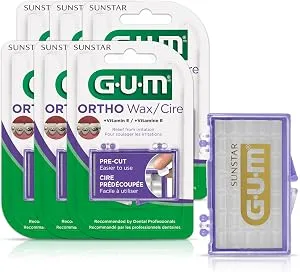
Why it helps: Creates a protective barrier between your wisdom tooth and cheek tissue, providing immediate relief from cutting and irritation.
📩 Important: after you sign up, open the email from Go Fix Teeth and tap Confirm. Your PDF opens right away. Not there? Check Spam or Promotions.
Why Is Your Wisdom Tooth Cutting Into Cheek Tissue When Growing?
The human jaw has evolved to become smaller over thousands of years, yet we still develop the same number of teeth as our ancestors. This evolutionary mismatch means there’s often insufficient space in the mouth to accommodate wisdom teeth properly.
When these large molars attempt to erupt, they may grow at unusual angles—sideways, tilted, or only partially emerged—leading them to press directly against the soft tissue of your inner cheek.
According to the American Dental Association (ADA), third molars are the last permanent teeth to erupt and frequently lack sufficient room to grow cleanly into alignment.
Several factors contribute to this problem:
- Limited jaw space: Modern diets require less chewing, resulting in smaller jaw development that cannot accommodate all 32 teeth comfortably
- Impaction: When wisdom teeth become trapped beneath the gum line or against adjacent teeth, they may emerge at problematic angles
- Misalignment: Genetic factors can cause wisdom teeth to develop in positions that naturally push toward the cheek
- Partial eruption: When a wisdom tooth only partially breaks through the gum, sharp edges can continuously irritate cheek tissue
This constant contact creates a cycle of trauma to the delicate cheek lining. Each time you chew, speak, or even close your mouth, the tooth can scrape against the tissue, preventing it from healing properly. If you’re experiencing intermittent wisdom tooth discomfort, the cutting sensation may worsen during certain activities or times of day.
You can also review our guide on how long wisdom tooth growing pain lasts to differentiate normal pressure from severe misalignments.
What It Feels Like When a Wisdom Tooth Is Cutting Into Your Cheek
When a third molar erupts toward the cheek rather than straight upward, the initial sensation often begins as a faint tightness or minor rubbing sound when chewing. Within days, constant scraping removes the top mucous membrane layer, causing localized raw tenderness.
You might feel a raised, tender ridge or bump along your bite line where the cheek repeatedly gets pinched between your upper and lower teeth.
Can a Misaligned Molar or Wisdom Tooth Cutting Into Cheek Cause Real Damage?
Yes. Continuous tissue trauma from a sharp molar edge can lead to significant localized oral health issues. The immediate risk is a painful traumatic ulcer—an open wound on the inner lining of your mouth.
Because the mouth harbors hundreds of bacterial species, open cheek wounds can easily become secondary infection sites, leading to localized cellulitis, facial swelling, severe pain, and difficulty opening your jaw (trismus).
As noted by the Mayo Clinic, impacted or misaligned third molars frequently cause recurrent oral pain, soft tissue damage, and localized bacterial growth if left untreated.
How to Stop a Wisdom Tooth From Cutting Your Cheek: Gauze vs. Permanent Dental Fix
Many patients wonder: If I keep a piece of clean dental gauze between my cheek and tooth to let the inner cheek heal up, will the cutting reoccur, or is it just bad because it hasn’t had a chance to heal?
While placing gauze or cotton between your cheek and tooth provides temporary padding that lets open ulcers scab over, the irritation will almost certainly reoccur as soon as the padding is removed. If the underlying cause is an erupting tooth angled toward your cheek, every jaw movement brings enamel back in contact with tissue.
Gauze is a useful short-term buffer while waiting for a dental evaluation, but it is not a permanent cure.
Symptoms of Wisdom Teeth Cutting Into Cheek and Potential Complications
When a wisdom tooth repeatedly cuts or presses into your cheek, you may experience several uncomfortable symptoms:
Immediate Symptoms of Wisdom Tooth Growing Into Cheek Tissue
- Sharp or constant pain: The affected area may feel tender, especially when eating, talking, or touching the cheek
- Visible sores or ulcers: Repeated trauma creates open wounds on the inner cheek that appear white or red
- Swelling: The cheek tissue becomes inflamed, making it difficult to open your mouth fully or chew comfortably
- Bleeding: Minor bleeding may occur when the tooth punctures the tissue
- Difficulty eating: Chewing becomes painful, and you may accidentally bite the swollen tissue
Complications From Third Molars Cutting Into the Cheek
If left untreated, a wisdom tooth cutting into your cheek can lead to more serious problems:
- Infection: Open wounds in your mouth are exposed to bacteria, increasing the risk of infection that can spread to surrounding tissues
- Chronic inflammation: Continuous irritation prevents proper healing and can lead to persistent swelling
- Cheek biting habit: Swollen tissue is more likely to be accidentally bitten, creating a painful cycle
- Tooth damage: The wisdom tooth itself may develop cavities or damage from its abnormal position
- Jaw misalignment: Prolonged pressure from a mispositioned wisdom tooth can affect your bite and jaw function
Understanding the early warning signs of wisdom teeth emergence can help you address problems before they become severe. If you’re experiencing extreme discomfort, especially at night, you may also want to explore options for managing severe tooth pain that interferes with sleep.
Immediate Relief When a Wisdom Tooth Is Cutting Into Your Cheek
While you’re waiting for a dental appointment, several strategies can provide temporary relief from the pain and irritation:
Using Dental Wax to Protect Your Cheek from Wisdom Teeth
Orthodontic wax is one of the most effective immediate solutions. This soft, pliable wax creates a smooth barrier between the sharp tooth edge and your cheek tissue. Simply dry the tooth surface, tear off a small piece of wax, warm it between your fingers, and press it firmly over the sharp edge.
Reapply as needed, especially before meals and bedtime.

Why it helps: Natural saline solution reduces inflammation, cleanses wounds, and promotes healing of irritated cheek tissue without harsh chemicals.
Salt Water Rinses for Cheek Tissue Relief
Rinsing with warm salt water 4-6 times daily helps cleanse the affected area, reduce inflammation, and promote healing. Mix one teaspoon of salt in eight ounces of warm water and gently swish for 30 seconds. This simple remedy is particularly effective after meals to remove food particles that might irritate the wound.
Over-the-Counter Pain Relief for Dental Discomfort
Anti-inflammatory medications like ibuprofen can reduce both pain and swelling. Follow package directions carefully, and consider combining Tylenol and Ibuprofen together for tooth pain under safe dosage guidelines when experiencing severe discomfort. Always take these medications with food to protect your stomach.
Cold Compress for Cheek Swelling
Applying a cold compress to the outside of your cheek for 15-20 minutes can numb the area and reduce swelling. Use a cloth barrier between the ice pack and your skin, and repeat every few hours as needed.
Dietary Modifications While Teeth Are Growing
Switch to soft, cool foods that require minimal chewing. Yogurt, smoothies, mashed potatoes, and soup are excellent choices. Avoid spicy, acidic, or crunchy foods that might further irritate the damaged tissue. Chew on the opposite side of your mouth when possible.
Professional Dentist Options to Stop Wisdom Teeth From Cutting Your Cheek
When home remedies aren’t enough, your dentist can offer several professional solutions depending on the severity of your situation:
Molar Tooth Reshaping or Smoothing by a Dentist
For minor cases where a small sharp edge is causing the problem, your dentist may be able to smooth or reshape the tooth using a dental drill. This quick, relatively painless procedure removes the offending portion while preserving the tooth. It’s most effective when the wisdom tooth is otherwise healthy and properly positioned.
Orthodontic Solutions for Teeth Growing Out of Alignment
If the wisdom tooth is salvageable but misaligned, orthodontic treatment might reposition it away from the cheek. However, this approach is less common in 2026, as most dental professionals recommend extraction for problematic wisdom teeth rather than lengthy orthodontic intervention.
Wisdom Tooth Extraction for Impacting Third Molars
Extraction remains the most common and definitive solution for wisdom teeth that cut into the cheek. According to Cleveland Clinic experts, removing third molars eliminates persistent crowding, soft tissue trauma, and chronic pericoronitis. Modern extraction techniques in 2026 have become increasingly sophisticated, with options including:
- Simple extraction: For fully erupted teeth with straightforward root structures
- Surgical extraction: For impacted or partially erupted teeth requiring incision and possibly bone removal
- Laser-assisted extraction: Newer technology that can reduce bleeding and promote faster healing
The procedure is typically performed under local anesthesia, with sedation options available for anxious patients. Recovery usually takes 3-7 days, with most people returning to normal activities within a week. Understanding proper preparation for wisdom tooth removal can help ensure a smoother experience.
If surgical intervention is necessary right away due to extreme tissue damage, you can explore options for an emergency dental extraction.
Antibiotic Treatment from Your Dentist
If infection has developed in the wounded cheek tissue, your dentist will likely prescribe antibiotics before proceeding with extraction. This prevents the infection from spreading during the procedure and promotes better healing afterward.

Why it helps: Topical anesthetic provides targeted numbing relief for cheek sores and irritation caused by wisdom teeth.
Recovery and Aftercare After Wisdom Teeth Dental Treatment
Whether you’ve had your tooth smoothed or extracted, proper aftercare is essential for optimal healing:
First 24-48 Hours After Dental Care
- Apply ice packs to reduce swelling
- Rest with your head elevated
- Avoid rinsing, spitting, or using straws (which can dislodge blood clots)
- Stick to cold, soft foods
- Take prescribed pain medications as directed
Days 3-7 of Healing
- Begin gentle salt water rinses after meals
- Gradually introduce slightly firmer foods as comfort allows
- Continue avoiding the extraction site when chewing
- Watch for signs of infection (increased pain, fever, excessive swelling)
Long-Term Dental Healing and Cheek Recovery
Complete healing of the extraction site typically takes 2-4 weeks, though the cheek tissue that was being cut should feel relief within days. Attend all follow-up appointments to ensure proper healing and address any concerns promptly.
If you experience lingering pain after an extraction, review our guide on throbbing pain after wisdom tooth extraction to know what is normal.
Prevention: How to Help Wisdom Teeth to Grow Safely Without Cutting the Cheek
While you can’t control how your wisdom teeth grow, regular dental checkups allow your dentist to monitor their development through X-rays. Early detection of potential problems enables proactive treatment before symptoms become severe. Many dentists in 2026 recommend preventive extraction of wisdom teeth in late adolescence if imaging shows they’re likely to cause problems.
Additionally, maintaining excellent oral hygiene around partially erupted wisdom teeth can help prevent infections that might worsen cheek irritation. Use a soft-bristled brush to gently clean around the tooth, and consider an antimicrobial mouthwash to reduce bacteria.
Dangerous home “hacks” to avoid
- Aspirin on the gum or tooth. Aspirin is an acid; it chemically burns the gum and does nothing for the pain. Swallow pain relievers as the label directs, never place them.
- Undiluted clove oil on an open wound or socket. A trace on a tooth can numb briefly; neat clove oil on gum tissue or a fresh socket causes burns and delays healing.
- Rinsing with alcohol, whisky, or hydrogen peroxide. They dry and irritate tissue, disturb a healing clot, and interact with pain relievers. Warm salt water is enough.
- Popping or draining a swelling yourself. Pushing on an abscess can spread the infection. Cold outside the cheek, and a dentist today.
- Leftover or borrowed antibiotics. They mask symptoms for a few days, breed resistant bacteria, and the tooth still needs treatment.
- Heat on a swollen face. Heat increases blood flow and swelling around an infection; use cold until a dentist has seen it.
When to See an Emergency Dentist for Wisdom Tooth Pain
Most cases of wisdom teeth cutting into the cheek can wait for a regular dental appointment, but seek immediate care if you experience:
- Severe, uncontrollable pain
- High fever (over 101°F)
- Difficulty swallowing or breathing
- Excessive bleeding that won’t stop
- Swelling that closes your eye or extends down your neck
- Signs of spreading infection
These symptoms may indicate a serious infection or complication requiring urgent medical attention.
Living With Third Molars: Is Extraction Always Necessary for Wisdom Teeth?
Not everyone needs their wisdom teeth removed. If your wisdom teeth emerge fully, align properly with your other teeth, can be cleaned effectively, and don’t cause pain or damage to surrounding structures, they can remain in place.
However, when a wisdom tooth repeatedly cuts into your cheek, it’s demonstrating that it doesn’t have adequate space and is unlikely to improve on its own.
Delaying necessary extraction typically leads to worsening symptoms and can increase the complexity of the eventual procedure. Wisdom teeth become more difficult to extract as you age because the roots continue developing and the bone becomes denser. For these reasons, most dental professionals recommend addressing problematic wisdom teeth sooner rather than later.
Instant PDF · $12
The Dental Recovery & Savings Bundle
A day-by-day recovery calendar (what’s normal, what to eat, when to call your dentist) plus 4 word-for-word scripts to lower your next dental bill. 30-day money-back promise.
Get the bundle →Frequently Asked Questions About Wisdom Teeth Growing Into the Cheek
Is it normal for wisdom teeth to cut your cheek?
While it is a frequent complication of erupting third molars, it is not considered healthy or normal. It indicates that your jaw lacks adequate room for the tooth to grow cleanly, forcing it outwards against soft cheek tissue.
What should I do if my wisdom tooth is cutting into my cheek?
For immediate temporary relief, dry the tooth and apply orthodontic wax to pad the sharp surface. Swish with warm salt water to alleviate tissue swelling and reduce bacteria. Then, contact a dental professional to evaluate whether reshaping or extraction is required.
If I keep gauze between my cheek and tooth to heal, will it reoccur?
Yes. Gauze allows the wound to heal temporarily by creating a soft cushion, but as soon as the gauze is removed, jaw movement will cause the angled enamel to cut into your cheek again. Permanent resolution requires treating the tooth itself.
Can a wisdom tooth really damage your cheek?
Yes. Chronic friction can lead to deep oral ulcers, severe localized tissue inflammation, scar tissue buildup, and bacterial infections that make chewing and speaking painful.
How soon should I see a dentist for this?
You should schedule a non-emergency dental visit within a few days of noticing persistent irritation. However, if you develop facial swelling, fever, or difficulty opening your jaw, seek emergency dental care immediately.
This article is for informational purposes only and is not a substitute for professional dental advice. Consult your dentist for personal recommendations.
Conclusion: Dental Care to Prevent Wisdom Tooth Cutting Into Cheek
A wisdom tooth cutting into your cheek is more than just an inconvenience—it’s a sign that intervention is needed. While temporary measures like dental wax and salt water rinses can provide relief, consulting with a dental professional is essential for a lasting solution.
In 2026, you have access to advanced diagnostic tools and treatment options that make addressing this problem safer and more comfortable than ever before.
Don’t let discomfort persist or worsen. Schedule an evaluation with your dentist to discuss your symptoms and explore the best treatment approach for your specific situation. With proper care, you can quickly return to eating, speaking, and smiling without pain or irritation.
Remember, your oral health significantly impacts your overall wellbeing. Taking prompt action when problems arise protects not only your comfort but also your long-term dental health.


