Can Gingivitis Be Reversed? How Long It Takes and What Helps
Can gingivitis be reversed? Learn how long it can take to go away, the steps that help, and when to see a dentist.
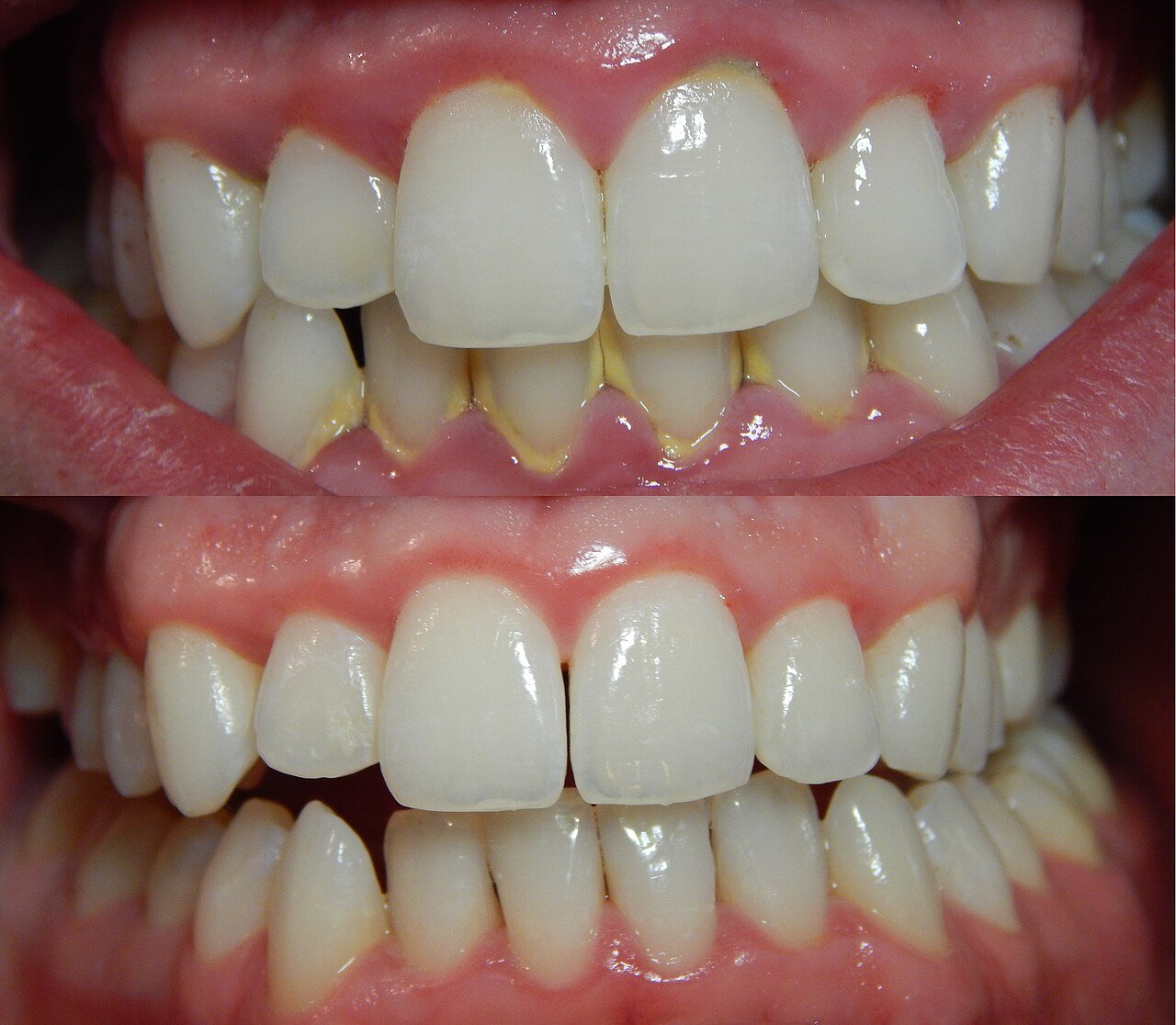
If you have just been told you have gum inflammation, the first question is usually can gingivitis be reversed? The encouraging answer is yes. Gingivitis is the earliest stage of gum disease, and in most cases the gums can return to a healthy state when plaque is removed thoroughly and kept under control. The key is acting early, before the problem moves deeper than the gum tissue.
📩 Important: after you sign up, open the email from Go Fix Teeth and tap Confirm. Your PDF opens right away. Not there? Check Spam or Promotions.
Short Answer: Is Gingivitis Reversible?
Yes. Because gingivitis is caused by plaque and tartar irritating the gums, it is generally reversible with professional cleaning and consistent home care. If it is ignored, it can progress to periodontitis, which can damage the bone that supports your teeth. That damage cannot be undone, which is why early gum inflammation deserves attention.
How Long Does It Take for Gingivitis to Go Away?
There is no single timeline. It depends on how much plaque and tartar is present, how consistent your routine is and your overall health. Some dental sources describe a noticeable drop in bleeding and swelling within roughly one to two weeks of careful brushing and cleaning between the teeth, with the gums looking and feeling healthier over the following weeks. If tartar has built up, a dental professional needs to remove it before the gums can fully settle. If your gums are still bleeding after a couple of weeks of good care, book an appointment.
Step-by-Step: How to Reverse Gingivitis
- See a dentist or hygienist. A professional cleaning removes tartar that brushing cannot, and an exam shows whether the problem is limited to gingivitis.
- Brush twice a day for two minutes with a soft brush, angling the bristles toward the gum line. An electric brush can make this easier.
- Clean between your teeth every day with floss, interdental brushes or a water flosser. This is where plaque hides.
- Use a fluoride toothpaste and consider a gum-care formula; see our best toothpaste for gingivitis comparison.
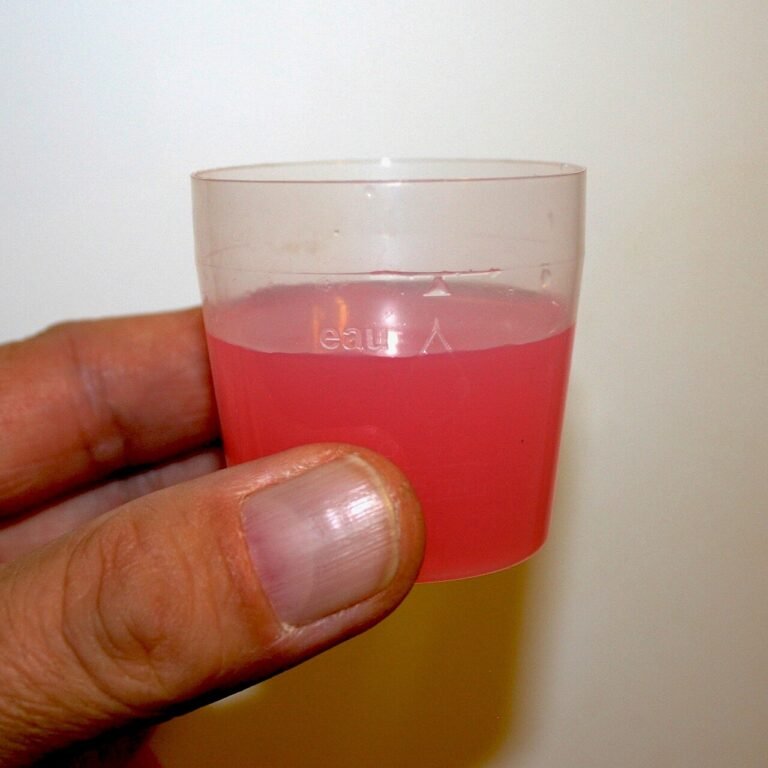
- Ask about an antiseptic rinse. It can support your routine if your dentist recommends one; our best mouthwash for gum disease guide explains the options.
- Address risk factors. Stop smoking or tobacco use, and keep diabetes under control with your doctor.
- Keep your checkups. Regular visits catch relapses early.
What Slows Recovery
- Skipping the spaces between teeth, even if you brush well
- Leftover tartar that has not been professionally removed
- Smoking and other tobacco use
- Hormonal changes such as pregnancy, which can make gums more reactive
- Medicines or conditions that cause dry mouth
- Stopping the routine as soon as the gums look better
Signs It May Be More Than Gingivitis
Contact a dentist promptly if you notice gums pulling away from the teeth, persistent bad breath, loose or shifting teeth, pus around the gums, pain when chewing or bleeding that does not improve. These can be signs of a more advanced gum problem. If you already have recession, see our guide to the best electric toothbrush for receding gums. And if you are wondering whether you could pass the problem on, read is gingivitis contagious. This article is general information and not a diagnosis.
Instant PDF · $12
The Dental Recovery & Savings Bundle
A day-by-day recovery calendar (what’s normal, what to eat, when to call your dentist) plus 4 word-for-word scripts to lower your next dental bill. 30-day money-back promise.
Get the bundle →Frequently Asked Questions
Can gingivitis be cured completely?
Gingivitis is considered reversible. With thorough plaque removal and professional cleaning, the gums can return to a healthy state. It can come back if plaque control slips, so ongoing care matters.
Does gingivitis go away on its own?
Not usually. Because plaque is the cause, the inflammation tends to persist or worsen until the plaque and tartar are removed. A dental cleaning and better home care are the usual route.
How long does gingivitis last?
It varies. Some dental sources describe noticeable improvement in bleeding and swelling within roughly one to two weeks of consistent care, while established tartar needs a professional cleaning. Your dentist can give you a timeline.
What happens if gingivitis is not treated?
Untreated gingivitis can progress to periodontitis, a more serious gum disease that can damage the bone supporting your teeth, and that damage is not reversible.
Can mouthwash alone reverse gingivitis?
No. Mouthwash can support a routine, but mechanical cleaning with a toothbrush and cleaning between the teeth, plus professional scaling when needed, does the main work.
Is it normal for gums to bleed when I start flossing again?
Gums that are inflamed often bleed at first when you begin cleaning between the teeth regularly. This usually improves as the inflammation settles. If bleeding continues for a couple of weeks, see a dentist.
Conclusion
Gingivitis is one of the few gum conditions that can usually be fully reversed. A professional cleaning, a consistent twice-daily brushing routine, daily cleaning between the teeth and regular dental visits give your gums the best chance to recover, and keep the problem from coming back.
Related: Bleeding gums when flossing: causes and what to do · Best cordless water flosser