Best Mouthwash for Gum Disease, Swollen Gums and Gingivitis (2026)
Looking for the best mouthwash for gum disease and gingivitis? Compare top research-backed antiseptic and alcohol-free rinses to protect your gums.
Disclosure: This post contains affiliate links. If you buy through them, we may earn a small commission at no extra cost to you.
Finding the best mouthwash for gum disease can make a noticeable difference when you are struggling with tender, bleeding gums or early gingivitis. When bacterial plaque builds up along the gum line, adding a targeted mouthwash for gum disease to your regimen helps reach areas that standard mechanical cleaning might miss. Whether a dentist recently pointed out early gum disease during a checkup or you are shopping for an everyday mouthwash for gum protection, using the best mouthwash formulated for periodontal health can help soothe irritated tissue and support your overall gum recovery.📩 Important: after you sign up, open the email from Go Fix Teeth and tap Confirm. Your PDF opens right away. Not there? Check Spam or Promotions.
Quick Picks: Best Mouthwash for Gum Disease & Gingivitis
Here is an overview of top-rated oral rinses designed to reduce plaque, fight bacteria, and improve gum health.| Product | Best For | Key Active Ingredient |
|---|---|---|
| Listerine Gum Therapy Antiseptic | Deep Antiseptic Action | Essential oils (Eucalyptol, Menthol, Thymol, Methyl Salicylate) |
| Crest Pro-Health Clinical Rinse | Alcohol-Free Plaque Control | Cetylpyridinium Chloride (CPC 0.07%) |
| TheraBreath Healthy Gums Oral Rinse | Bleeding Gums & Fresh Breath | Cetylpyridinium Chloride (CPC 0.05%) |
| CloSYS Ultra Sensitive Mouthwash | Gentle & Unflavored Rinse | Stabilized Chlorine Dioxide (Cloralstan) |
| Colgate Total Gum Health Rinse | Daily Maintenance & Freshness | Cetylpyridinium Chloride (CPC 0.075%) |
How We Chose the Best Mouthwash for Gum Health
To identify the top mouthwash selections for gum care, we evaluated peer-reviewed periodontal literature, clinical guidelines from the American Dental Association (ADA), and established recommendations from the Centers for Disease Control and Prevention (CDC). Products were evaluated based on:- Active Antimicrobial Agents: Formulas containing clinically proven ingredients such as cetylpyridinium chloride (CPC), fixed essential oils, or stabilized chlorine dioxide.
- Formulation Balance: Availability of alcohol-free options for individuals prone to dry mouth or mucosal irritation.
- Safety & Compliance: Solutions that carry regulatory clearances, clear labeling of active concentrations, and recognized therapeutic value.
- Taste and Usability: Rinses with manageable flavor profiles that encourage consistent, twice-daily compliance.
Detailed Reviews: Top Mouthwashes for Gum Disease
Shopping tip: Many of the picks below are Prime-eligible, which means fast, free shipping for members. Not a member yet? Eligible new customers can try Amazon Prime free for 30 days and cancel anytime. (Affiliate link)
1. Listerine Gum Therapy Antiseptic Rinse
Listerine Gum Therapy is an ADA-accepted therapeutic mouthwash formulated specifically to target the bacteria that lead to gingivitis. By utilizing a fixed combination of four essential oils (eucalyptol, menthol, methyl salicylate, and thymol), this formula penetrates the biofilm matrix to kill bacteria linked to gum inflammation. It is particularly helpful for individuals in the early stage of gum disease who need potent antimicrobial coverage. However, because it contains alcohol, users with dry mouth or sensitive tissues may feel a distinct burning sensation.- Pros: ADA accepted to reduce gingivitis; proven biofilm penetration; strong reduction in bad breath.
- Cons: Contains alcohol; strong taste may irritate sensitive oral tissues.
2. Crest Pro-Health Clinical Rinse
Crest Pro-Health Clinical utilizes a high concentration of cetylpyridinium chloride (CPC) to create an antimicrobial shield along the gum line. This alcohol-free formula helps prevent plaque from adhering to the teeth without causing the stinging associated with ethanol rinses. This rinse works well for people who want effective plaque control while avoiding dry mouth. In rare instances, CPC can cause minor, temporary surface tooth staining, which can easily be removed during regular dental cleanings.- Pros: Alcohol-free; gentle on dry oral tissues; provides 24-hour protection when used twice daily.
- Cons: May cause temporary superficial tooth staining in some users.
3. TheraBreath Healthy Gums Oral Rinse
Formulated by a periodontist, TheraBreath Healthy Gums combines CPC with an anti-inflammatory formulation designed to reduce bleeding gums and eradicate bacteria that cause severe bad breath. It contains no artificial dyes, sulfates, or alcohol. This product is ideal for people actively managing gingival swelling or morning bleeding. Its mild Clean Mint flavor makes it easy to incorporate into an everyday oral hygiene routine.- Pros: Specifically formulated for bleeding gums; zero alcohol; non-burning; effective against volatile sulfur compounds.
- Cons: Slightly higher price point per fluid ounce than standard grocery store rinses.
4. CloSYS Ultra Sensitive Mouthwash
CloSYS Ultra Sensitive is designed for patients with delicate mucosal tissues, painful aphthous ulcers, or severe sensitivity. It utilizes patented Cloralstan (stabilized chlorine dioxide) to eliminate anaerobic bacteria and neutralize acidic environments in the mouth. Because it comes unflavored (with an optional flavor dropper included in the box), it does not burn or sting. While it is extremely soothing for inflamed tissues, those seeking a powerful traditional mint sensation may find it underwhelming.- Pros: Unflavored and pH balanced; non-burning; ideal for severe tissue sensitivity or post-surgical care.
- Cons: Mild taste may not deliver the intense cooling feeling some users prefer.
5. Colgate Total Gum Health Mouthwash
Colgate Total Gum Health is an accessible, alcohol-free daily rinse that uses CPC (0.075%) to fight plaque build-up along the gingival margin. It helps create a protective barrier that inhibits bacterial colonization for up to 12 hours. It provides an accessible balance of affordability, clinical efficacy, and fresh taste for individuals looking to maintain healthy gums alongside regular brushing and flossing.- Pros: Budget-friendly; alcohol-free; refreshing taste; widely accessible.
- Cons: Contains artificial coloring; not as concentrated as prescription rinses.
Buying Guide: Key Ingredients in Mouthwash for Periodontal Health
Understanding the key types of mouthwash and active ingredients can help you select the most effective solution for your specific oral condition:1. Cetylpyridinium Chloride (CPC)
CPC is a broad-spectrum antimicrobial compound that ruptures bacterial cell membranes. It helps reduce plaque accumulation and minimizes gingival bleeding, making it a staple in over-the-counter gum therapy rinses.2. Essential Oils
Formulations based on eucalyptol, menthol, thymol, and methyl salicylate (commonly found in classic Mayo Clinic gingivitis guidelines) have decades of clinical evidence showing they reduce plaque biofilms and gingival index scores.3. Prescription Chlorhexidine Gluconate
When gingivitis progresses into chronic periodontal disease or deep pocketing, a dentist may prescribe a 0.12% chlorhexidine rinse. Chlorhexidine binds to oral surfaces and provides sustained antimicrobial activity over many hours. However, because it can cause pronounced tooth staining and alter taste perception, it is typically restricted to short-term therapeutic use (10–14 days).4. Alcohol-Free vs. Alcohol-Containing
Alcohol serves as a solvent in some formulas, but it can dry out the oral mucosa. If you experience dry mouth, tissue irritation, or tooth decay at the gum line, an alcohol-free mouthwash is generally the safer choice.Why Research Supports Mouthwash and How to Use It
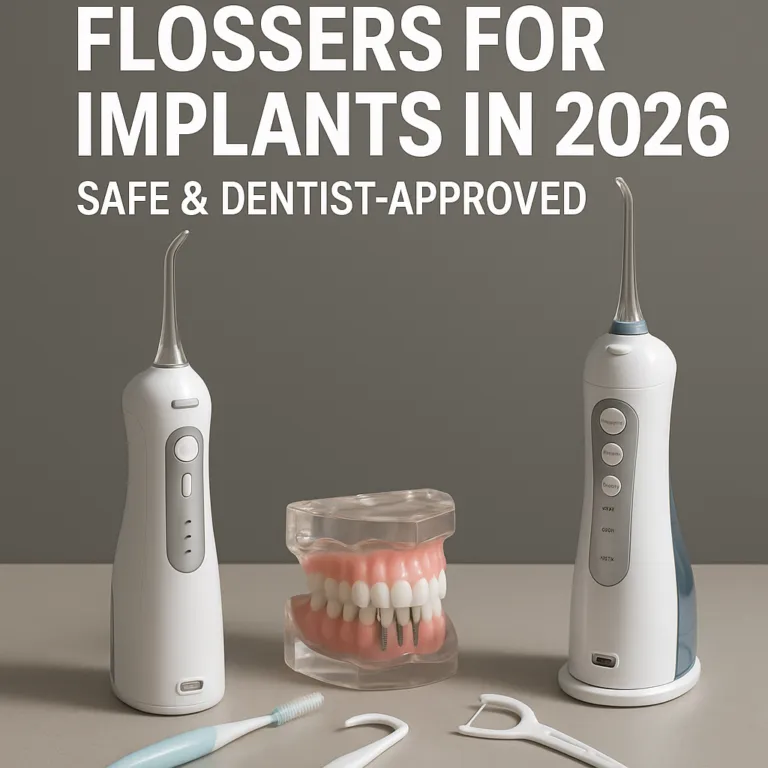
Rinsing with a therapeutic solution allows antimicrobial agents to reach areas that manual tools might miss, including interdental spaces, the back of the tongue, and the shallow sulcus around teeth. When you use mouthwash consistently as part of your comprehensive dental care routine, it provides valuable supplemental protection.- Brush and floss first: Mechanically dislodging sticky biofilm allows active rinse agents to contact bacterial colonies directly. If you have dental work, consider using dedicated tools like a flosser for implants or interdental brushes.
- Measure the proper dose: Use roughly 15–20 ml (as directed on the packaging).
- Swish thoroughly: Swish the liquid vigorously around your teeth and along the gum margins for a full 30 to 60 seconds before spitting.
- Avoid immediate eating or drinking: Refrain from rinsing with water, eating, or drinking for at least 30 minutes to allow the active ingredients to remain on tooth surfaces.
What Mouthwash Cannot Do: Limitations & When to See a Dentist
While an effective rinse will help reduce bacterial load, mouthwash alone cannot cure advanced periodontal infections. Once plaque hardens into calculus (tartar), no commercial rinse can dissolve it. If you have persistent swollen gums, loose teeth, or deep periodontal pockets, you likely need a professional teeth scaling and root planing procedure. Always seek professional evaluation if bleeding persists beyond two weeks of improved home care.Best Mouthwash for Swollen Gums and Gum Recession
If your gums are swollen or bleed when you brush, look for a mouthwash with an active antibacterial ingredient rather than one that only freshens breath:
- Chlorhexidine 0.12%: the strongest option for short-term gum inflammation, usually by prescription and used for a limited period because it can stain teeth.
- Cetylpyridinium chloride (CPC): found in many over-the-counter antigingivitis rinses and suitable for daily use.
- Essential-oil rinses: such as the classic formulas with thymol, menthol and eucalyptol; choose one with the ADA Seal of Acceptance.
- Alcohol-free versions are gentler if your gums are sore or your mouth is dry.
About gum recession: no mouthwash can grow gums back. A good rinse helps control the bacteria that make recession worse, but receding gums need a dentist or periodontist to find the cause (gum disease, hard brushing, grinding) and discuss treatment.
Instant PDF · $12
The Dental Recovery & Savings Bundle
A day-by-day recovery calendar (what’s normal, what to eat, when to call your dentist) plus 4 word-for-word scripts to lower your next dental bill. 30-day money-back promise.
Get the bundle →Frequently Asked Questions
Can mouthwash regrow receding gums?
No. Once gum tissue has receded, no mouthwash, toothpaste, or home remedy can make it grow back. A good antibacterial rinse can reduce plaque and inflammation and help stop recession from getting worse, but covering exposed roots requires a dentist or periodontist, for example with a gum graft.
What is the best mouthwash for swollen gums?
For swollen, bleeding gums, look for an ADA-accepted antigingivitis rinse with cetylpyridinium chloride (CPC) or essential oils, used twice a day after brushing. If the swelling is sudden, painful, on one side, or comes with fever or a bad taste, it may be an abscess: see a dentist rather than relying on mouthwash.
Which mouthwash is best for gum disease?
Therapeutic mouthwashes containing active antimicrobial ingredients like cetylpyridinium chloride (CPC), essential oils, or prescription chlorhexidine are considered best for gum disease. They actively reduce plaque accumulation and gum inflammation.What is the best mouthwash for periodontal disease?
For advanced periodontal disease, dentists frequently prescribe a short-term chlorhexidine gluconate rinse (0.12%) after deep cleaning. Over-the-counter antimicrobial rinses with CPC or essential oils help maintain gum health between clinical visits.Can mouthwash cure gum disease on its own?
No, mouthwash alone cannot cure gum disease. While a therapeutic mouthwash helps kill bacteria and reduce surface plaque, it cannot remove hardened tartar (calculus) beneath the gum line, which requires professional dental scaling.Can I use whitening mouthwash if I have gum disease?
It is generally not recommended to use whitening mouthwash while experiencing active gum disease. Whitening rinses contain hydrogen peroxide or abrasives that can further irritate inflamed or bleeding gums.When should I use mouthwash in my daily routine?
You can use mouthwash twice daily after brushing and flossing. However, if using a fluoride toothpaste, some dental professionals suggest waiting 15 to 30 minutes after brushing before rinsing so you do not wash away concentrated fluoride.This article is for informational purposes only and is not a substitute for professional advice. Consult a qualified professional for personal recommendations.