
How Long Does It Take to Remove 4 Wisdom Teeth? Complete 2026 Guide
If you’re facing the removal of all four wisdom teeth, you’re probably wondering about the time…
If you’re facing the removal of all four wisdom teeth, you’re probably wondering about the time commitment and what to expect. The good news is that modern dental techniques in 2026 have made this procedure more efficient and comfortable than ever. The removal of four wisdom teeth typically takes anywhere from 30 minutes to 2 hours, depending on several factors including the position of your teeth, the complexity of the extraction, and the surgical technique your oral surgeon uses.
Under either local or general anesthesia, the procedure is typically performed by an oral and maxillofacial surgeon who specializes in these types of extractions. Let’s dive into everything you need to know about this common dental procedure.
How Long Does It Take to Remove 4 Wisdom Teeth?
Several variables can affect the duration of your wisdom teeth removal surgery. The position of your wisdom teeth plays a crucial role—if they’re fully erupted and easily accessible, the procedure will be quicker. However, if your wisdom teeth are impacted or positioned at difficult angles, your surgeon will need additional time to safely extract them.
On average, you can expect the procedure to take between 30 minutes to 2 hours. However, your individual circumstances may require more or less time. For instance, if your wisdom teeth are deeply impacted or particularly challenging to access, the process might extend beyond the typical timeframe. Conversely, if your wisdom teeth are fully erupted and straightforward to remove, your surgeon may complete the procedure in under an hour.
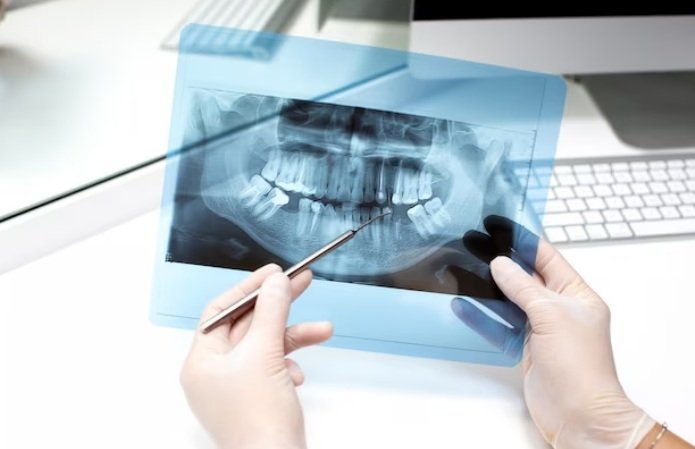
To determine the best approach for your specific situation, you’ll need to consult with an oral and maxillofacial surgeon. They will assess your unique case through X-rays and examination, then provide you with a more accurate estimate of how long your procedure will take.

Why it helps: Complete post-surgery care package with ice packs, gauze, and pain relief essentials to ensure smooth recovery.
The Wisdom Teeth Removal Procedure: Step by Step
Understanding what happens during your surgery can help ease anxiety. Here’s what you can expect during the surgical removal of your wisdom teeth:
1. Anesthesia Administration
Before the procedure begins, your surgeon will administer anesthesia to ensure your comfort. Local anesthesia numbs the area around your wisdom teeth, while general anesthesia or IV sedation may be used for more complex cases or if you prefer to be completely unconscious during the procedure. Many patients ask about what makes them feel loopy after wisdom teeth removal, and it’s typically the sedation medications used during surgery.
2. Incision and Access
Once you’re properly anesthetized, the surgeon makes a small incision in the gum tissue to access the wisdom tooth. This step is carefully performed to minimize tissue damage and promote faster healing.
3. Tooth Removal
Depending on the tooth’s size and position, it may be removed in one piece or sectioned into smaller parts for easier extraction. If the tooth is impacted, your surgeon may need to remove some surrounding bone tissue to safely retrieve it. This is similar to situations involving a broken tooth root still in the gum, where careful extraction is essential.
4. Closing the Incision
After the tooth has been successfully extracted, the surgeon closes the incision with dissolvable sutures. These stitches typically dissolve on their own within one to two weeks.
5. Postoperative Care Instructions
You’ll receive detailed instructions on how to care for the surgical site and manage any discomfort. Your surgeon may prescribe antibiotics to prevent infection and pain medication to keep you comfortable during recovery.
Can All Four Wisdom Teeth Be Removed at Once?
Yes, it’s absolutely possible and quite common to extract all four wisdom teeth in a single appointment. In fact, many oral surgeons recommend this approach to avoid multiple recovery periods. However, the decision to remove all four at once depends on several factors:
- The size and position of your wisdom teeth
- Your overall health and medical history
- Your tolerance for the procedure
- Your surgeon’s professional recommendation
- Your personal preference and schedule
The surgical approach may vary based on your individual circumstances. Your surgeon will recommend the most appropriate course of action based on your unique needs and situation.
Why it helps: Hands-free cold therapy wrap designed specifically for facial swelling after dental surgery with adjustable compression.
How Long Does Wisdom Teeth Recovery Take?
Recovery time varies from person to person, but most people can return to their normal activities within a few days to a week after surgery. The complexity of your extraction, the surgical approach used, and your overall health all influence how quickly you’ll heal. More complicated procedures or the removal of impacted wisdom teeth may require a longer recovery period.
During the first few days following surgery, you’ll likely experience swelling, soreness, and some discomfort. You may also notice some bleeding, which can typically be controlled by biting down on a gauze pad for about 20 minutes. If you’re concerned about bleeding after 2 hours, contact your surgeon for guidance.
After the initial few days, the pain and swelling should gradually subside, and you’ll be able to resume most of your regular activities. However, you should avoid strenuous activities and contact sports for at least a week to ensure proper healing of the surgical site.
Recovery Timeline
- Days 1-3: Peak swelling and discomfort; stick to soft foods and rest
- Days 4-7: Swelling begins to decrease; you can gradually return to normal activities
- Week 2: Most people feel significantly better and can resume all normal activities
- Weeks 3-4: Complete healing of the soft tissue; bone continues to heal over several months
Following your oral and maxillofacial surgeon’s postoperative instructions is crucial for minimizing pain and promoting faster recovery. If you have any concerns or questions about your recovery, don’t hesitate to contact your surgeon.
4 Wisdom Teeth Removal Cost in 2026
The cost of removing four wisdom teeth can vary significantly depending on your location, the complexity of the extractions, your insurance coverage, and the type of anesthesia used. In 2026, the typical cost for removing four wisdom teeth ranges from $2,000 to $4,500 or more without insurance.
If you have dental insurance, your plan may cover a portion or all of the cost, depending on your specific coverage. Many insurance plans classify wisdom teeth removal as a necessary procedure, especially if the teeth are impacted or causing problems.
Many oral and maxillofacial surgeons offer payment plans or financing options to make the procedure more affordable. If cost is a concern, discuss your options with your surgeon’s office—they’re often willing to work with patients to find a manageable payment solution.
It’s important to remember that while wisdom teeth removal can be expensive, the procedure can help you avoid more serious and costly dental problems down the road. Wisdom teeth that aren’t removed can lead to infections, cysts, crowding, and other dental complications that may be more difficult and expensive to treat later.
How Painful Is 4 Wisdom Teeth Removal?
The level of discomfort experienced after removing four wisdom teeth varies from person to person. While some people report only mild discomfort, others may experience more significant pain and swelling. The good news is that pain after wisdom teeth removal is highly manageable with modern pain management techniques.
In most cases, post-operative pain is controlled with over-the-counter pain relievers like ibuprofen or acetaminophen, and prescription pain medication if necessary. Most patients find that their pain significantly decreases within a few days to a week after the procedure. For severe discomfort, you might want to explore options for managing tooth nerve pain.
Why it helps: High-powered blender perfect for creating nutritious smoothies and soft foods during your recovery period.
Factors Affecting Pain Levels
The surgical technique used and your overall health can affect the degree of pain you experience after the procedure. For instance, if your surgery is more complex because your wisdom teeth are impacted, you might experience more discomfort and swelling initially. However, this is completely normal and expected.
Following your oral and maxillofacial surgeon’s postoperative instructions is essential for minimizing pain and promoting faster healing. These instructions typically include:
- Taking prescribed medications as directed
- Applying ice packs to reduce swelling
- Eating soft foods and staying hydrated
- Avoiding smoking and using straws
- Getting plenty of rest
- Keeping the surgical site clean
If you have any concerns or questions about pain management during your recovery, talk to your surgeon. They can adjust your pain medication or provide additional strategies to keep you comfortable.
Final Thoughts
Removing four wisdom teeth is a common procedure that millions of people undergo successfully each year. While the thought of surgery can be intimidating, understanding what to expect can help ease your anxiety. In 2026, with advanced surgical techniques and improved pain management options, wisdom teeth removal is safer and more comfortable than ever before.
Remember that every patient’s experience is unique, and your recovery timeline may differ from others. The key to a smooth recovery is following your surgeon’s instructions carefully, taking care of yourself, and reaching out to your dental team if you have any concerns. With proper preparation and aftercare, you’ll be back to your normal routine before you know it.
💙 Did this guide help you?
Go Fix Teeth is reader-supported. A small donation keeps expert dental advice free for the next person in pain.