
Why No ibuprofen After Tooth Extraction? Can it Cause Dry Socket?
Why some dentists say no ibuprofen after a tooth extraction, whether it really causes dry socket, and what to take for pain instead.
Disclosure: This post contains affiliate links. If you buy through them, we may earn a small commission at no extra cost to you.
Here we understand the importance of proper healing after a tooth extraction. The question being addressed here is why no ibuprofen after a tooth extraction.
This medication, which is a non-steroidal anti-inflammatory drug (NSAID) is commonly used to relieve pain, reduce inflammation, and lower fever, however, it has the potential to increase the risk of bleeding and delay the healing process.
Therefore, it’s crucial to follow the post-operative instructions provided by your dentist or oral surgeon to ensure proper healing and to avoid any complications. Trust us to guide you through the process and ensure that you leave our office with a healthy and happy smile.
📩 Important: after you sign up, open the email from Go Fix Teeth and tap Confirm. Your PDF opens right away. Not there? Check Spam or Promotions.
Make the next few days easier
Having these basics ready at home makes the first few days more comfortable:
Ice pack head wrap
Hands-free cold therapy for the first 48 hours to limit swelling.
Check price on AmazonSterile 4×4 gauze pads
Bite down gently to control oozing on day 1. Keep extra at home.
Check price on Amazon📘 Want the full plan? Our Dental Recovery & Savings Bundle covers day-by-day care, pain relief and how to save on dental bills.
As an Amazon Associate we earn from qualifying purchases, at no extra cost to you. Always follow your dentist's instructions.
Why no ibuprofen after tooth extraction?
Ibuprofen (Advil, Motrin) is a non-steroidal anti-inflammatory drug (NSAID) that is commonly used to relieve pain, reduce inflammation, and lower fever. However, it is not recommended to take ibuprofen after a tooth extraction because it can increase the risk of bleeding and delay the healing process.
After a tooth extraction, the blood clot that forms in the socket is crucial for proper healing. Ibuprofen can thin the blood, making it more likely for the blood clot to dislodge, resulting in dry socket, a painful condition that can occur if the blood clot is dislodged or dissolves before the wound has had a chance to heal.
When the blood clot is dislodged, the bone and nerves become exposed, which can lead to severe pain, infection, and a delay in the healing process.
It’s recommended to take medication that your dentist or oral surgeon prescribed, or if not prescribed, over-the-counter pain relievers such as acetaminophen (Tylenol) or if you are advised to avoid it, other alternatives like ice pack, warm compress and salt water rinse can help to reduce the pain.
Can ibuprofen cause dry socket?
Ibuprofen is a non-steroidal anti-inflammatory drug, after a tooth extraction, it can increase the risk of developing dry socket, a painful condition that can occur when the blood clot that forms in the socket after a tooth extraction is dislodged or dissolves before the wound has had a chance to heal.
Dry socket, also known as alveolar osteitis, is a condition that occurs in about 2-5% of tooth extractions. It is characterized by severe pain, usually within a few days after the extraction, accompanied by bad breath, a foul taste in the mouth, and sometimes fever.
The pain is usually located in the area of the extraction and can radiate to the ear, eye, temple or jaw. It’s a serious complication of tooth extraction, as it can cause a delay in healing and an increase in the risk of infection.
Ibuprofen, like other non-steroidal anti-inflammatory drugs (NSAIDs), can thin the blood and make it more likely for the blood clot to dislodge. This can lead to the exposure of the bone and nerves in the socket, which can cause severe pain and delay the healing process.
The risk of dry socket is increased if the patient uses ibuprofen or other NSAIDs, smokes, or has a history of dry socket.
To avoid this, it’s recommended to avoid the use of ibuprofen and other NSAIDs for the first 72 hours after a tooth extraction, or as advised by your dentist or oral surgeon, as it can increase the risk of developing dry socket. Instead, your dentist
Does ibuprofen increase bleeding after tooth extraction?
Does ibuprofen increases bleeding after tooth extraction. it is not recommended after a tooth extraction as it can impede the healing process and potentially exacerbate bleeding.
After a tooth extraction, the blood clot that forms in the socket is crucial for proper healing. Ibuprofen has blood-thinning properties, which can make it more likely for the blood clot to dislodge or dissolve, resulting in a dry socket, a painful condition that occurs when the blood clot is dislodged or dissolves before the wound has had a chance to heal.
When the blood clot is dislodged, the bone and nerves become exposed, which can lead to severe pain, infection, and a delay in the healing process. To avoid this, it’s recommended to take medication that your dentist or oral surgeon prescribed, or if not prescribed, over-the-counter pain relievers such as acetaminophen (Tylenol) or other alternatives if you are advised to avoid it, like ice pack, warm compress and salt water rinse can help to reduce the pain.
What is the best pain reliever after a tooth extraction?
The query at hand is identifying the optimal pain reliever after a tooth extraction. What is the best pain reliever after a tooth extraction? that will vary depending on the individual and the type of extraction performed. Nevertheless, some options that are commonly recommended by dental professionals include:
- Acetaminophen (Tylenol): This is an over-the-counter pain reliever that can help to reduce pain and fever. It is considered safe to use after a tooth extraction as it does not have blood-thinning properties like ibuprofen.
- Prescription pain medication: Your dentist or oral surgeon may prescribe a stronger pain medication such as codeine or hydrocodone. These medications are usually taken in combination with acetaminophen.
- Ice packs: Applying ice packs to the affected area can help to reduce swelling and pain.
- Warm compresses: A warm compress can be applied to the affected area to help reduce pain and swelling.
- Salt water rinse: Rinsing your mouth with a warm saltwater solution can help to reduce pain and promote healing.
Dangerous home “hacks” to avoid
- Aspirin on the gum or tooth. Aspirin is an acid; it chemically burns the gum and does nothing for the pain. Swallow pain relievers as the label directs, never place them.
- Undiluted clove oil on an open wound or socket. A trace on a tooth can numb briefly; neat clove oil on gum tissue or a fresh socket causes burns and delays healing.
- Rinsing with alcohol, whisky, or hydrogen peroxide. They dry and irritate tissue, disturb a healing clot, and interact with pain relievers. Warm salt water is enough.
- Popping or draining a swelling yourself. Pushing on an abscess can spread the infection. Cold outside the cheek, and a dentist today.
- Leftover or borrowed antibiotics. They mask symptoms for a few days, breed resistant bacteria, and the tooth still needs treatment.
- Heat on a swollen face. Heat increases blood flow and swelling around an infection; use cold until a dentist has seen it.
Products that can help
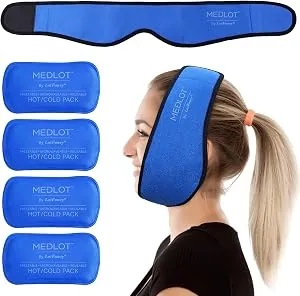
Magic Gel Wisdom Teeth Ice Pack Head Wrap
Why it helps:
- Hands-Free Relief: Wraps comfortably around the head to target jaw soreness and swelling after tooth extractions.
- Continuous Therapy: Includes four reusable hot/cold gel packs to allow seamless rotation during recovery.
- Adjustable Fit: Soft fabric wrap contours to the face without placing excess pressure on tender surgical sites.
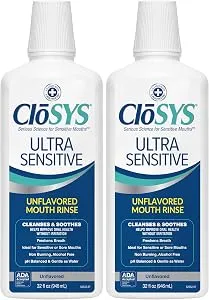
CloSYS Unflavored Sensitive Mouthwash
Why it helps:
- Non-Stinging Formula: Alcohol-free and unflavored to prevent stinging or irritation around healing extraction sites.
- pH Balanced: Neutralizes mouth acids and controls mouth odors without aggressive chemicals.
- Gentle Cleansing: Keeps the oral cavity clean without disturbing delicate tissues during initial healing.
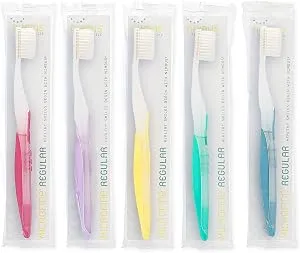
Nimbus Microfine Extra Soft Toothbrush
Why it helps:
- Microfine Bristles: Dual-depth, extra-soft bristles clean adjacent teeth without abrading sensitive gum tissues.
- Gentle Action: Designed specifically to minimize accidental trauma to delicate post-procedure areas.
- Protective Care: Allows you to maintain basic oral hygiene around surgical sites safely.
As an Amazon Associate we earn from qualifying purchases. Recommendations are based on published guidance and verified owner reviews, not sponsorship.