
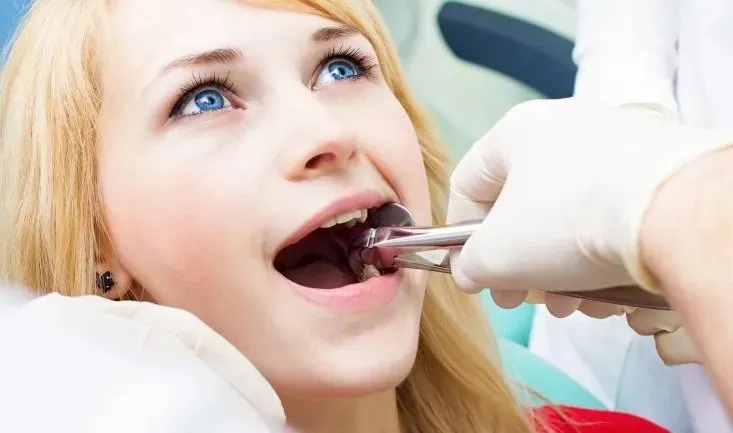
How to Prepare for Wisdom Teeth Removal: Complete 2026 Guide
Learn how to prepare for wisdom teeth removal in 2026. Discover expert tips on pre-op instructions, what to eat, anesthesia options, and recovery timelines.
Disclosure: this article contains affiliate links. As an Amazon Associate, Go Fix Teeth earns from qualifying purchases at no extra cost to you. Prices and availability are those shown on Amazon at the time you visit.
Preparing for wisdom teeth removal in 2026 involves fasting if required, arranging a dependable driver, scheduling time off work, and stocking up on soft foods. Knowing how to properly prep for your oral surgery helps minimize swelling, protect the surgical site, and ensure a smooth, comfortable healing process.
- Arrange a Driver: Sedation and general anesthesia require a responsible adult to drive you home.
- Follow Fasting Rules: Adhere strictly to pre-op instructions regarding food and water cutoffs.
- Stock Soft Foods: Prepare broths, yogurt, applesauce, and mashed potatoes ahead of time.
- Protect the Clot: Avoid straws, spitting, and smoking to prevent painful dry socket complications.
This comprehensive guide walks you through everything you need to know before, during, and after your wisdom teeth removal—from arranging transportation and following pre-operative instructions to planning your recovery timeline and choosing the right foods.
We’ll also cover what to avoid, how to manage pain effectively, and when to contact your oral surgeon if something doesn’t feel right.
📩 Important: after you sign up, open the email from Go Fix Teeth and tap Confirm. Your PDF opens right away. Not there? Check Spam or Promotions.
Make the next few days easier
Having these basics ready at home makes the first few days more comfortable:
Ice pack head wrap
Hands-free cold therapy for the first 48 hours to limit swelling.
Check price on AmazonSterile 4×4 gauze pads
Bite down gently to control oozing on day 1. Keep extra at home.
Check price on Amazon📘 Want the full plan? Our Dental Recovery & Savings Bundle covers day-by-day care, pain relief and how to save on dental bills.
As an Amazon Associate we earn from qualifying purchases, at no extra cost to you. Always follow your dentist's instructions.
Essential Steps to Prepare for Wisdom Teeth Removal
Taking the right steps before your procedure can significantly reduce your risk of complications and speed up your recovery. Here’s what you need to do in the days and weeks leading up to your surgery:
1. Arrange Reliable Transportation
Since you’ll be under sedation or anesthesia during the procedure, driving yourself home is not an option. Arrange for a responsible adult to drive you to and from your appointment.
Plan for them to stay with you for at least the first few hours after surgery, as the effects of anesthesia can linger and you may need assistance. If you experience lingering grogginess, you can learn more about what makes you loopy after wisdom teeth removal to help your caregiver manage post-op care.
2. Follow All Pre-Operative Instructions
Your oral surgeon will provide specific guidelines tailored to your procedure. These typically include fasting for 6 to 8 hours before surgery if you're receiving general anesthesia, stopping certain medications that increase bleeding risk, and avoiding smoking.
If you’re wondering about the complete preparation checklist, make sure to review all instructions at least 48 hours before your appointment.
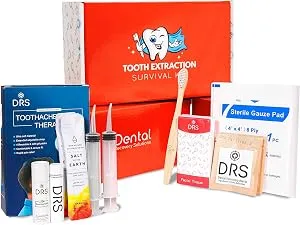
Why it helps: This all-in-one kit includes ice packs, gauze pads, and oral care essentials to make your first 48 hours more comfortable.
3. Plan for Adequate Recovery Time
Most people need 3-7 days to recover from wisdom teeth removal, though this varies based on the complexity of your wisdom teeth extraction. Schedule time off work or school, and avoid planning important events during your recovery window.
Stock up on soft foods, pain medication, and entertainment options like books, streaming services, or podcasts to keep yourself occupied while you heal.
4. Choose Comfortable Clothing for Day of Surgery
On the day of your procedure, wear loose-fitting, comfortable clothing with short sleeves (to allow easy access for IV placement if needed). Avoid tight collars, jewelry, and contact lenses. Button-up shirts are ideal since you won’t need to pull anything over your head when you’re feeling groggy.
5. Confirm Your Appointment Details
Call your oral surgeon’s office 24-48 hours before your procedure to confirm the exact time and location. Ask about parking, what to bring, and any last-minute instructions. This is also a good time to clarify payment arrangements and insurance coverage.
6. Avoid Smoking and Alcohol Days Before Surgery
Stop smoking at least 24 hours before surgery (ideally 72 hours or more) and avoid alcohol for at least 24 hours prior. Both substances can interfere with anesthesia, increase bleeding risk, and significantly slow your healing process.
After surgery, continuing to avoid these substances is crucial—if you’re concerned about smoking after tooth extraction, understand that it dramatically increases your risk of dry socket.
7. Disclose Your Complete Medical History
Inform your oral surgeon about all medications you’re taking (including over-the-counter drugs and supplements), any allergies, and pre-existing medical conditions like diabetes, heart disease, or bleeding disorders. This information is critical for your safety during the procedure.
Preparing for Wisdom Teeth Removal with Local Anesthesia
If your extraction will be performed under local anesthesia rather than general sedation, your preparation will be slightly different:
- Fasting requirements are less strict: You may be allowed to eat a light meal 2-3 hours before the procedure, but confirm this with your dentist
- You may be able to drive yourself: Local anesthesia doesn’t impair your ability to drive, though some offices still recommend having someone accompany you
- Notify your dentist of all medications: Even with local anesthesia, drug interactions are possible
- Wear comfortable clothing: The same clothing guidelines apply regardless of anesthesia type
- Plan for mild discomfort: You’ll be awake during the procedure and may feel pressure, though not pain
What to Eat or Drink: Your Last Meal Before Wisdom Teeth Extraction
What you eat or drink before your procedure can significantly impact your comfort and safety during surgery. If you’re receiving general anesthesia or IV sedation, you’ll need to fast for 6-8 hours beforehand. For those having their procedure in the morning, this typically means nothing to eat or drink after midnight.
If your surgery is scheduled for the afternoon and your surgeon allows a light meal, choose wisely. Your last meal should be:
- Light and easily digestible: Heavy, greasy, or spicy foods can cause nausea when combined with anesthesia
- Consumed at least 6 hours before surgery: This ensures your stomach is empty
- Hydrating but not caffeinated: Avoid coffee, energy drinks, and caffeinated tea
- Free of foods that increase bleeding risk: Skip alcohol, garlic supplements, and excessive vitamin E
Ideal Pre-Surgery Meal Options
- Clear broths or bouillon: Chicken or vegetable broth provides hydration and a small amount of nutrients without taxing your digestive system
- Plain yogurt or cottage cheese: These protein-rich options are gentle on the stomach and help you feel satisfied
- Applesauce or mashed bananas: Soft fruits provide natural sugars for energy without requiring much digestion
- Plain toast with a thin layer of butter: Simple carbohydrates that won’t upset your stomach
- Gelatin desserts or popsicles: These can be soothing and provide hydration (avoid red colors that might be confused with bleeding)
Foods to Avoid Before Surgery:
- Red meat, fried foods, or anything heavy and greasy
- Citrus fruits or juices (can irritate your mouth)
- Caffeinated beverages (can cause dehydration)
- Alcohol (interferes with anesthesia and healing)
- Foods you’re allergic to (nuts, shellfish, dairy if intolerant)
- Anything with small seeds that could get lodged in your teeth
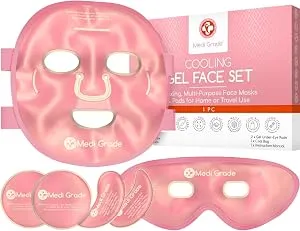
Why it helps: Flexible gel packs conform to your jaw and cheeks to reduce swelling and provide soothing cold therapy during the critical first 48 hours.
What Actually Happens During Wisdom Teeth Removal Surgery: Step-by-Step
Many patients feel anxious because they don’t know what to expect during the actual procedure. Proper preparation for wisdom teeth surgery helps alleviate much of this uncertainty. According to guidelines from the American Dental Association (ADA), wisdom tooth removal is a standard outpatient surgical procedure.
Here is what happens behind the scenes during modern oral surgery:
1. Anesthesia Administration
Before any work begins, your provider delivers local anesthesia, IV conscious sedation, or general anesthesia depending on the complexity of your extraction and your comfort preferences.
2. Accessing the Tooth
The surgeon creates a small, precise incision in the gum tissue to expose the underlying wisdom tooth. If the tooth is impacted beneath bone, a tiny portion of bone tissue is removed using micro-instruments to grant direct access to the root structure.
3. Tooth Sectioning and Removal
If the tooth is large, deeply curved, or trapped at an awkward angle, the oral surgeon may section (divide) the tooth into smaller fragments. Sectioning allows each piece to be lifted out gently without putting stress or leverage on your jawbone.
4. Cleaning and Suturing
Once the tooth is completely out, the surgical socket is thoroughly cleaned of remaining debris. The surgeon may place dissolvable sutures (stitches) to close the gum margins and promote blood clot formation.
Myth vs. Reality: Do They Break Your Jaw During Wisdom Teeth Surgery?
One of the most widespread oral health myths is that oral surgeons “break your jaw” to extract impacted third molars. This is completely false. Dentists and oral surgeons do not break your jaw bone during extraction. The jaw remains entirely structural and intact.
Why does this persistent myth continue?
- Jaw Muscle Stiffness: Keeping your mouth open for 30 to 60 minutes causes significant masseter and temporomandibular muscle strain. Patients misinterpret post-op trismus (jaw tightness) as structural bone damage.
- Bone Removal Misunderstanding: Surgeons routinely shave or remove tiny millimeters of surrounding socket bone to free an impacted crown. Removing microscopic bone tissue is completely different from fracturing a jawbone.
- Pressure Sensations: Under local anesthesia, pain nerves are blocked, but pressure receptors still feel pushing or wiggling sensations as the tooth is elevated.
Should You Remove 2 or 4 Wisdom Teeth at Once?
Your oral surgeon will evaluate clinical radiographs (X-rays or 3D CBCT scans) to decide whether to extract two or all four third molars. Clinical factors include:
- Impaction Status: Partial or full bony impactions frequently trigger recurrent pericoronitis (gum infection), cysts, or damage to neighboring second molars.
- Crowding & Orthodontic Care: Erupting wisdom teeth can exert anterior pressure or hinder orthodontic tooth movement.
- Decay & Periodontal Pockets: Third molars at the far back of the mouth are extremely difficult to floss, leading to high rates of localized tooth decay and deep gum pockets.
- Single-Session Anesthesia Benefit: Removing all 4 wisdom teeth in a single visit reduces overall recovery time, cost, and antibiotic/sedation exposure compared to undergoing two separate surgeries.
Expected Side Effects of the Tooth Extraction Procedure
Post-operative side effects vary depending on whether your upper or lower wisdom teeth were removed during your tooth extraction procedure:
Upper Wisdom Teeth (Maxillary Molars)
Upper third molars rest directly below the maxillary sinus cavity. Clinical risks and side effects unique to upper extractions include:
- Sinus Pressure & Congestion: Minor inflammatory pressure near the sinus floor is common for 3-5 days.
- Sinus Perforation Risk: If a root tip extends into the sinus, a small sinus communication (opening) can occur. Surgeons manage this with delicate suturing and sinus precautions (avoiding nose blowing or sneezing with a closed mouth).
- Faster Healing: Maxillary bone is spongy and soft, leading to lower rates of severe pain and reduced incidence of dry socket compared to the mandible.
Lower Wisdom Teeth (Mandibular Molars)
Lower third molars rest in dense bone near the inferior alveolar nerve (IAN) and lingual nerve:
- Higher Dry Socket Rate: The lower jaw receives less blood flow than the upper jaw, making blood clot maintenance critical.
- Nerve Irritation (Paresthesia): Temporary tingling or partial numbness of the lower lip, chin, or tongue occurs in a small percentage of cases due to nerve proximity. According to research from the Mayo Clinic, permanent nerve paresthesia affects fewer than 1% of patients.
- Increased Jaw Swelling: Lower extraction sites trigger more localized cheek swelling and trismus (limited jaw opening).
Wisdom Teeth Removal Recovery Tips for 2026
Once your procedure is complete, your focus shifts to healing properly and avoiding complications. Here are the most important wisdom teeth removal recovery tips based on current best practices in 2026:
Immediate Post-Operative Care (First 24 Hours)
Control bleeding: Bite down firmly on the gauze pads provided by your surgeon for 30-45 minutes. If bleeding continues, replace with fresh gauze and apply pressure for another 30 minutes. Some mild oozing is normal for the initial 24 to 48 hours after surgery.
Manage swelling: Apply ice packs to the outside of your face for 20 minutes on, 20 minutes off during the first 24-48 hours. Keep your head elevated, even while sleeping, to minimize swelling. If you’re experiencing significant discomfort, understanding when pain typically peaks can help you prepare mentally.
Take pain medication as prescribed: Don’t wait until pain becomes severe—stay ahead of it by taking medication on schedule. Your surgeon may prescribe opioids for the first few days, followed by over-the-counter options like ibuprofen or acetaminophen.
Avoid disturbing the surgical site: Do not rinse your mouth, spit forcefully, use a straw, or smoke for at least 24 hours. These actions can dislodge the blood clot and cause dry socket, a painful complication. If you’ve already made this mistake, read about what to do if you accidentally rinsed after extraction.
Days 2-7: Ongoing Removal Recovery
Start gentle rinsing: After 24 hours, begin rinsing gently with warm salt water (1/2 teaspoon salt in 8 oz water) after meals and before bed. This keeps the area clean without disturbing healing tissue.
Progress your diet gradually: Start with liquids and very soft foods (smoothies, pudding, mashed potatoes), then gradually introduce soft solids as you feel comfortable. Avoid hot foods, crunchy items, and anything with small seeds for at least a week.
Resume oral hygiene carefully: You can brush your teeth starting the day after surgery, but avoid the extraction sites. Be gentle and don’t rinse vigorously.
Rest and limit activity: Avoid strenuous exercise, heavy lifting, and bending over for at least 3-4 days. Physical exertion can increase bleeding and swelling.
Watch for warning signs: Contact your oral surgeon immediately if you experience severe pain that worsens after day 3, heavy bleeding that won’t stop, fever above 101°F, difficulty breathing or swallowing, or pus discharge from the extraction sites.
Wisdom Teeth Removal Recovery Timeline (Day-by-Day)
| Recovery Phase | What to Expect | Key Care Action |
|---|---|---|
| Day 1 (24 Hours) | Groggy from anesthesia, minor oozing, localized numbness. Blood clot forms in socket. | Bite on gauze, apply ice, no spitting, no drinking straws, rest elevated. |
| Days 2–3 | Peak swelling and jaw stiffness (trismus). Pain reaches maximum level before declining. | Switch to moist heat after 48h, begin gentle warm salt water rinses after meals. |
| Days 4–7 | Swelling recedes, bruising may fade to yellow/green. Soft solid diet tolerated. | Continue salt water rinses, resume careful brushing, avoid hard/crunchy foods. |
| Weeks 2–3 | Gum tissue closes over socket opening. Stitches dissolve. Jaw flexibility returns. | Gentle irrigation of socket with curved tip syringe if recommended by surgeon. |
| Months 1–3 | Complete deep tissue and jawbone remodeling under intact gum lining. | Maintain regular semi-annual routine dental cleanings and exams. |
What to Eat During Recovery
Days 1-2:
- Protein shakes and smoothies (avoid using a straw)
- Applesauce and mashed bananas
- Yogurt and pudding
- Lukewarm soup (broth-based, no chunks)
- Ice cream and gelatin (avoid red colors)
Days 3-7:
- Mashed potatoes and sweet potatoes
- Scrambled eggs
- Oatmeal and cream of wheat
- Pasta with soft sauce
- Soft bread (no crust)
- Cottage cheese and soft cheeses
If you’re still experiencing discomfort a week later, you might want to read about appropriate foods at the one-week mark and when to advance your diet further.
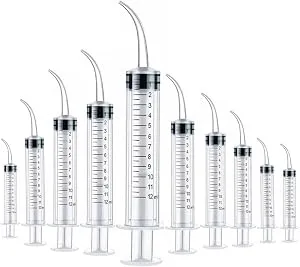
Why it helps: After the first week, these curved-tip syringes help you gently flush food particles from extraction sites, preventing infection and promoting faster healing.
When to Contact Your Oral Surgeon
While most wisdom teeth removals heal without complications, it’s important to recognize warning signs that require professional attention from your oral surgeon:
- Dry socket symptoms: Severe pain starting 3-4 days after surgery, bad breath, and visible bone in the socket
- Persistent bleeding: Heavy bleeding that doesn’t slow after applying pressure for 30 minutes
- Signs of infection: Fever, increasing pain after day 3, swelling that worsens after 48 hours, or pus discharge
- Numbness lasting beyond 24 hours: Could indicate nerve involvement
- Difficulty breathing or swallowing: May indicate swelling that requires immediate attention
- Severe nausea or vomiting: Especially if it prevents you from taking medication or staying hydrated
Long-Term Considerations After Wisdom Teeth Surgery
Most people recover fully within 2-3 weeks after wisdom teeth surgery, though complete bone healing takes several months. Here’s what to expect in the weeks following your surgery:
Week 2-3: The extraction sites will begin to close, and you can return to your normal diet. Some minor tenderness when chewing is normal. Continue gentle oral hygiene and avoid aggressive brushing near the healing areas.
Months 1-3: The bone and soft tissue continue to remodel and heal. You may notice slight changes in how your jaw feels when you bite down. This is normal as your mouth adjusts to the absence of wisdom teeth.
Follow-up appointments: Attend all scheduled follow-up visits so your oral surgeon can monitor your healing and address any concerns. Most patients have a check-up at 1-2 weeks post-surgery.
Dangerous home “hacks” to avoid
- Aspirin on the gum or tooth. Aspirin is an acid; it chemically burns the gum and does nothing for the pain. Swallow pain relievers as the label directs, never place them.
- Undiluted clove oil on an open wound or socket. A trace on a tooth can numb briefly; neat clove oil on gum tissue or a fresh socket causes burns and delays healing.
- Rinsing with alcohol, whisky, or hydrogen peroxide. They dry and irritate tissue, disturb a healing clot, and interact with pain relievers. Warm salt water is enough.
- Popping or draining a swelling yourself. Pushing on an abscess can spread the infection. Cold outside the cheek, and a dentist today.
- Leftover or borrowed antibiotics. They mask symptoms for a few days, breed resistant bacteria, and the tooth still needs treatment.
- Heat on a swollen face. Heat increases blood flow and swelling around an infection; use cold until a dentist has seen it.
Frequently Asked Questions About Wisdom Teeth Removal
How long does the actual extraction take?
For simple extractions, removing a single wisdom tooth takes 15 to 20 minutes. Extracting all four impacted third molars under IV sedation usually takes between 45 and 60 minutes.
Can I brush my teeth the night of surgery?
You may brush your front teeth gently with a soft toothbrush on the night of surgery, but completely avoid brushing near the surgical extraction sites. Do not spit out toothpaste aggressively; lean over the sink and let foam dribble out naturally.
Why is smoking so dangerous after extraction?
Inhaling smoke introduces toxic chemicals that restrict micro-blood flow required for healing. Furthermore, the physical suction generated when puffing on a cigarette creates negative pressure in your mouth, pulling the delicate blood clot directly out of the socket and causing dry socket.
When can I exercise or lift heavy weights again?
Avoid strenuous physical exertion, heavy weightlifting, or cardio for at least 3 to 5 days post-surgery. Exercise elevates systemic blood pressure, which can trigger renewed throbbing and heavy bleeding at the extraction sites.
What not to do before your wisdom teeth removal?
Before your wisdom teeth removal, avoid eating or drinking for 6-8 hours if receiving general anesthesia, stop smoking and drinking alcohol for at least 24 to 72 hours, and avoid taking blood-thinning supplements unless cleared by your oral surgeon.
Is day 2 or 3 worse for wisdom teeth?
Days 2 and 3 are typically the most uncomfortable because swelling, jaw stiffness, and post-operative inflammation reach their absolute peak during this window before gradually improving around day 4.
How can I make my wisdom teeth removal less painful?
You can minimize discomfort by strictly following your prescribed pain medication schedule, keeping ice packs on your jaw during the first 48 hours, resting with your head elevated, and avoiding any actions that could dislodge your blood clot.
Do you need to sleep before wisdom teeth removal?
Yes, getting a full night of rest before your surgery helps your body handle general anesthesia or IV sedation much better and supports your initial recovery phase.
Do you sleep with ice after wisdom teeth removal?
No, you should not sleep with ice packs attached to your face. Apply ice for 20 minutes on and 20 minutes off while awake during the first 24 to 48 hours, and remove them before falling asleep to prevent skin damage.
Does pineapple juice help before wisdom tooth surgery?
While some people swear by drinking pineapple juice (due to its bromelain content) to reduce swelling, scientific evidence confirming it significantly decreases post-extraction inflammation is limited.
Gearing up to have a wisdom tooth removed?
Preparation involves arranging a trusted driver, stocking up on soft foods like yogurt and mashed potatoes, reviewing your medical history with your dentist, and following pre-surgery fasting guidelines.
Have the impacted wisdom teeth damaged other teeth?
Impacted wisdom teeth can crowd adjacent molars, trap plaque causing decay, or damage neighboring roots, which is why your dental professional examines them via X-ray beforehand.
Having Your Wisdom Teeth Removed?
Know what to expect by understanding the consultation, the anesthesia process, the extraction steps, and the week-long healing timeline for a safe and smooth recovery.
Final Thoughts on Wisdom Teeth Removal Preparation
Preparing thoroughly for wisdom teeth removal in 2026 means taking a proactive approach to every stage of the process—from your initial consultation through complete recovery.
By following pre-operative instructions carefully, arranging proper support, stocking up on appropriate foods and supplies, and knowing what to expect during healing, you’ll set yourself up for the smoothest possible experience.
Remember that everyone’s recovery timeline is slightly different. Some people bounce back quickly and feel nearly normal within 3-4 days, while others need the full week or more to feel comfortable. Listen to your body, don’t rush the healing process, and don’t hesitate to contact your oral surgeon if something doesn’t feel right.
With proper preparation and care, wisdom teeth extraction is a manageable procedure that will ultimately improve your oral health and eliminate the pain and complications that impacted wisdom teeth can cause. Take the time to prepare well, and you’ll thank yourself during your recovery.
This article is for informational purposes only and is not a substitute for professional advice. Consult a qualified professional for personal recommendations.


