
How Long Until a Tooth Infection Kills You? Critical Warning Signs in 2026
A tooth infection is not something to ignore or postpone treating. While it may start as…
A tooth infection is not something to ignore or postpone treating. While it may start as a minor ache or sensitivity, an untreated dental infection can escalate into a life-threatening medical emergency. In 2026, with increased awareness of the systemic effects of oral health, understanding the timeline and risks of tooth infections has never been more important.
The reality is that tooth infections can become fatal, though this outcome is rare when proper dental care is accessible. The time it takes for a tooth infection to become life-threatening varies dramatically based on your immune system, overall health, the virulence of the bacteria involved, and how quickly the infection spreads beyond the tooth.
This comprehensive guide will walk you through everything you need to know about tooth infections, their progression, warning signs of serious complications, and why immediate treatment is absolutely critical.
Understanding Tooth Infections: What Happens Inside Your Mouth
A tooth infection, medically known as a dental abscess, occurs when bacteria invade the innermost part of your tooth—the pulp—where nerves and blood vessels reside. This can happen due to untreated cavities, decay at the gum line, cracked teeth, or trauma.
Once bacteria establish themselves in the pulp, they multiply rapidly, causing inflammation, pressure, and the formation of pus. Your body attempts to wall off the infection, but without intervention, the bacteria can break through these natural barriers and spread to surrounding tissues, bone, and eventually into your bloodstream.
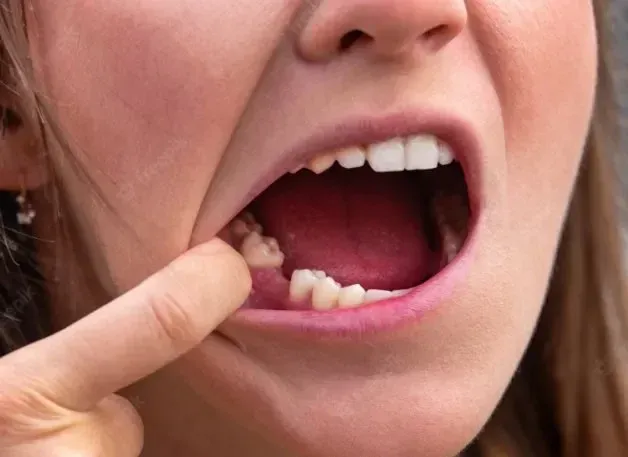
Common symptoms include throbbing pain, swelling in the face or jaw, sensitivity to hot and cold, fever, bad breath, and difficulty swallowing. If you’re experiencing extreme tooth pain that prevents sleep, this is your body’s urgent signal that something is seriously wrong.

Why it helps: Provides fast-acting numbing relief for severe tooth pain while you arrange emergency dental care.
How Long Until a Tooth Infection Becomes Life-Threatening?
The honest answer is that there’s no single timeline—it depends on multiple factors. However, understanding the general progression can help you recognize when you’re in danger.
Days 1-7: Initial Infection Stage
In the first week, you’ll typically experience localized symptoms: pain, sensitivity, and possibly minor swelling. At this stage, the infection is usually contained within the tooth or immediately surrounding gum tissue. Prompt treatment during this window is relatively straightforward and can prevent all serious complications.
Weeks 1-4: Abscess Formation and Spread
If untreated, the infection forms a pocket of pus (abscess) that can spread to the jawbone, causing osteomyelitis—a painful bone infection. You may notice increased facial swelling, difficulty opening your mouth, and persistent fever. The bacteria are now actively attempting to spread beyond the original site.
Weeks 4+: Systemic Complications
After several weeks to months without treatment, the infection can spread to critical areas. It may travel down into the neck (Ludwig’s angina), which can obstruct your airway and make breathing difficult. In rare but documented cases, bacteria can reach the brain, causing meningitis or brain abscess, or enter the bloodstream, triggering sepsis—a potentially fatal whole-body inflammatory response.
In extreme cases documented in medical literature, death from tooth infection complications has occurred within 2-3 months of the initial infection, though most fatal cases involve individuals who delayed care for extended periods or had compromised immune systems.
Will Listerine or Mouthwash Kill a Tooth Infection?
This is a common question, and the answer is definitively no. While antiseptic mouthwashes like Listerine are excellent for maintaining oral hygiene and reducing surface bacteria, they cannot penetrate deep enough into the tooth structure to reach the infected pulp where the bacteria are thriving.
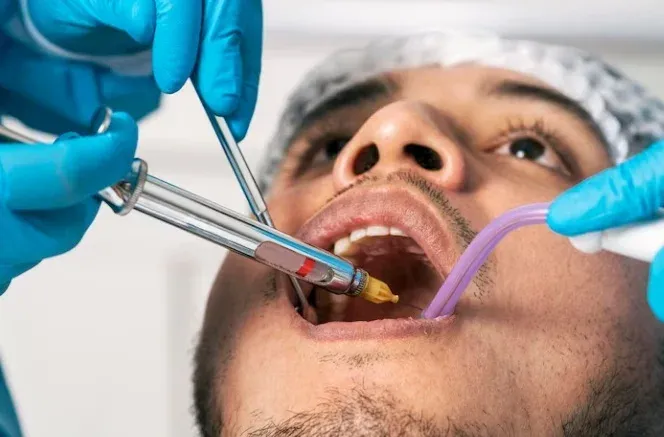
A tooth infection requires professional intervention—antibiotics to control bacterial spread, drainage of the abscess, and definitive treatment such as a root canal or extraction. Relying on over-the-counter products alone is dangerous and allows the infection to worsen.
That said, rinsing with warm salt water can provide temporary comfort and help keep the area clean while you arrange emergency dental care, but it’s not a cure.
Why it helps: Alcohol-free formula helps reduce bacteria and bad breath associated with oral infections without causing irritation.
Critical Warning Signs of Sepsis from Tooth Infection
Sepsis is the most dangerous complication of a tooth infection and constitutes a medical emergency. It occurs when your body’s response to infection causes widespread inflammation that can lead to tissue damage, organ failure, and death if not treated immediately.
Recognize these signs of sepsis from a tooth infection and seek emergency care immediately if you experience them:
- High fever: Temperature above 101°F (38.3°C) or, conversely, unusually low body temperature
- Rapid heart rate: Heart beating noticeably faster than normal (over 90 beats per minute at rest)
- Rapid or difficult breathing: Shortness of breath or feeling like you can’t get enough air
- Confusion or disorientation: Mental changes, difficulty focusing, or unusual behavior
- Extreme pain or discomfort: Generalized feeling that something is very wrong
- Clammy or sweaty skin: Despite not exerting yourself
- Low blood pressure: Feeling dizzy or faint when standing
- Decreased urination: Not urinating as frequently as normal
- Nausea and vomiting: Persistent digestive symptoms
- Skin discoloration: Mottled or unusually pale skin
If you suspect sepsis, call 911 or go to the nearest emergency room immediately. Sepsis requires hospitalization, intravenous antibiotics, fluids, and intensive monitoring. Early treatment dramatically improves survival rates.
How Long Can a Tooth Infection Go Untreated?
Technically, some tooth infections can persist for months or even years in a chronic state, causing intermittent symptoms without immediate life-threatening complications. However, this doesn’t mean they’re safe to ignore.
Chronic infections continuously damage bone and tissue, weaken your immune system, and can flare up unpredictably into acute, dangerous situations. Additionally, research in 2026 continues to confirm links between chronic oral infections and systemic health problems including heart disease, diabetes complications, and stroke risk.
The longer an infection goes untreated, the more extensive (and expensive) the required treatment becomes. What might have been resolved with a simple filling or root canal early on may eventually require extraction, bone grafts, or even hospitalization for intravenous antibiotics.
What to Do If You Suspect a Tooth Infection
If you’re experiencing symptoms of a tooth infection, take these steps immediately:
- Contact a dentist right away: Even if it’s after hours, most dental practices have emergency contact information. Don’t wait until Monday if symptoms appear over the weekend.
- Manage pain safely: Over-the-counter pain relievers like ibuprofen can help, but avoid placing aspirin directly on the gum (this can cause tissue damage). Learn more about effective pain management for tooth nerve pain.
- Rinse with warm salt water: Mix 1/2 teaspoon of salt in 8 ounces of warm water and gently rinse to help reduce bacteria and soothe tissues.
- Avoid extreme temperatures: Stay away from very hot or cold foods and beverages that can trigger pain.
- Don’t ignore worsening symptoms: If swelling increases, fever develops, or you have difficulty breathing or swallowing, go to an emergency room immediately.
Treatment Options Your Dentist May Recommend
Depending on the severity and location of your infection, treatment may include:
- Antibiotics: To control bacterial spread and reduce infection
- Drainage: Lancing the abscess to remove pus and relieve pressure
- Root canal therapy: Removing infected pulp, cleaning the tooth’s interior, and sealing it
- Extraction: Removing the tooth if it cannot be saved
- Follow-up care: Ensuring the infection has fully resolved and addressing any underlying issues
Why it helps: Natural herbal formula supports gum health and provides soothing relief as a complement to professional dental treatment.
Prevention: Your Best Defense Against Tooth Infections
While knowing how to respond to a tooth infection is important, preventing them in the first place is ideal. Follow these evidence-based practices in 2026:
- Brush twice daily: Use fluoride toothpaste and brush for at least two minutes
- Floss daily: Remove bacteria and food particles from between teeth where brushes can’t reach
- Regular dental checkups: Visit your dentist every six months for cleanings and examinations
- Address problems promptly: Don’t ignore cavities, cracked teeth, or gum problems
- Limit sugar intake: Bacteria thrive on sugar, so reducing consumption helps prevent decay
- Don’t use tobacco: Smoking and chewing tobacco significantly increase infection risk
- Wear protection: Use a mouthguard for contact sports to prevent dental trauma
The Bottom Line: Don’t Gamble With Tooth Infections
While death from a tooth infection is rare in 2026 thanks to modern antibiotics and dental care, it remains a real possibility when infections are neglected. The progression from minor toothache to life-threatening complication can happen faster than you think, especially if you have underlying health conditions or a compromised immune system.
The question “how long until a tooth infection kills you?” doesn’t have a single answer, but the important takeaway is this: you should never test those limits. Any suspected tooth infection warrants immediate professional evaluation and treatment.
Your oral health is intimately connected to your overall health. What starts in your mouth doesn’t stay in your mouth—infections can and do spread to critical areas of your body. By seeking prompt care, maintaining good oral hygiene, and staying vigilant about symptoms, you can protect yourself from the serious complications of tooth infections.
If you’re currently experiencing tooth pain, swelling, or other concerning symptoms, don’t wait another day. Contact a dental professional immediately. Your life may literally depend on it.