My Crown Fell Out But It Doesn’t Hurt: What to Do (2026)
My crown fell out but it doesn’t hurt? Discover why a lost dental crown causes no pain, how to protect the exposed tooth, and what to do next in 2026.
Disclosure: This post contains affiliate links. If you buy through them, we may earn a small commission at no extra cost to you.
Short answer: If your crown falls out without pain, it is still a dental emergency. You must gently clean the area and see a professional dentist within 24 to 48 hours.
Disclosure: this article contains affiliate links. As an Amazon Associate, Go Fix Teeth earns from qualifying purchases at no extra cost to you. Prices and availability are those shown on Amazon at the time you visit.
If your crown fell out and it does not hurt, it is still a dental emergency. You need to see a professional dentist soon. When a crown falls off without pain, people often think they can ignore it.
However, the tooth underneath is now open to germs, heat, cold, and damage. Often, a clean lost crown can be put back on if you act fast. Clean the area gently and see a dentist within 24 to 48 hours to keep your mouth healthy.
- A painless fallen crown does not mean your tooth is safe; the exposed part is weak.
- Call a dentist right away to see if your crown can be put back on.
- Rinse the area with warm salt water and do not chew on that side.
- Never use household superglue or strong glue as a quick fix.
Dental crowns are caps used to protect and make weak teeth strong. They usually last a long time, but sometimes they fall out.
If your crown falls out and you feel no pain, you need to know why it happened and what to do.
In this guide, we look at what a crown is, why it might fall out without pain, what you should do, how to stop it, and when to see a dentist.
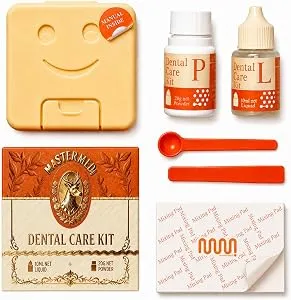
Why it helps: Provides a safe, temporary hold for your crown until you can see your dentist, preventing further damage to the exposed tooth.
📩 Important: after you sign up, open the email from Go Fix Teeth and tap Confirm. Your PDF opens right away. Not there? Check Spam or Promotions.
What is a Dental Crown in Modern Dentistry?
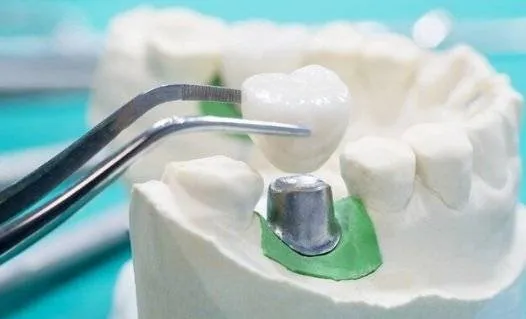
A dental crown is a custom cap made of porcelain, ceramic, or metal. It fits over a bad or weak tooth to fix its shape, size, strength, and look.
Crowns are used on teeth that had a root canal therapy, have big cavities, are broken, or need to look better. Think of it as a hard hat for your tooth. It covers the part above your gum and is glued down.
By 2026, dental crowns use advanced materials that look just like real teeth. Digital scanners and 3D printers let some offices make crowns in just one day, which is much faster than before.
Why Might a Dental Crown Fall Out Without Pain?
A crown falling out can be a shock, especially with no pain. Here is why it happens:
1. Cement Failure and the Dentist
The main reason a crown falls out is bad cement. Dental cement holds the crown in place. Over time, age, chewing, and brushing can make this glue weak or wash it away.
If the glue fails but your real tooth is still healthy, you will not feel pain. The tooth is whole, just bare.
2. Tooth Structure Changes
If your tooth gets new decay, breaks, or has other issues, the crown may stop fitting right. Cavities can form where the crown meets the tooth, much like tooth decay at the gum line. This makes the crown loose without hurting you right away.
3. Trauma or Injury
A hit to your face can knock out a crown with no pain. The hard hit breaks the glue seal without hurting the nerve inside the tooth, so you feel nothing at first.
4. Poor Crown Fit
Sometimes, a crown was not fit or glued right when it was put in. This makes it more likely to fall off. This is rare with new 2026 digital tools, but it can happen.
5. Chewing on Hard Objects
Biting hard things like ice, pens, or nails puts too much stress on a crown and makes it pop off. Sticky foods like caramel can also pull a loose crown off.
6. Natural Wear Over Time
Crowns usually last 10 to 15 years or more if you care for them. But they do not last forever. As they get old, the glue gets weak, and they fall out easier.
What Should I Do If My Fallen Crown Occurs?
If your crown falls out and you feel no pain, do not panic. Follow these steps to protect your tooth and save the crown until you see your dentist:
| Steps | Actions |
|---|---|
| 1. | Retrieve the Crown: Carefully pick up the fallen crown, handling it by the chewing surface and avoiding contact with the inside surface (which has been in your mouth). Place it in a safe container. |
| 2. | Inspect the Crown: Examine the inside of the crown to check for the presence of old cement or debris. Gently clean it with warm water and a soft toothbrush, but avoid harsh scrubbing that could damage it. |
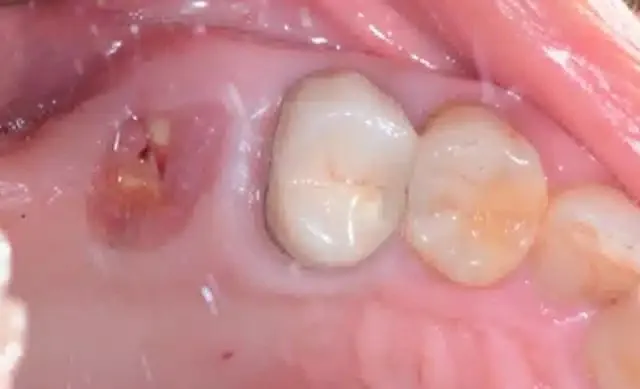
| 3. | Inspect the Tooth: Look at the tooth from which the crown fell to ensure there is no visible damage or discomfort. If the tooth appears intact and you experience no pain, that’s a good sign. |
| 4. | Temporary Solution: If you are unable to see a dentist immediately, you can try placing the crown back in its position. Use dental adhesive or over-the-counter temporary dental cement to secure it temporarily. Make sure the crown is oriented correctly before pressing it into place. |
| 5. | Avoid Chewing: Avoid chewing on the side of the mouth with the dislodged crown until it can be properly evaluated and re-cemented by a dentist. Stick to soft foods and chew on the opposite side. |
| 6. | Contact Your Dentist: Schedule an appointment with your dentist as soon as possible—ideally within 24-48 hours—to have the crown re-cemented or replaced. |
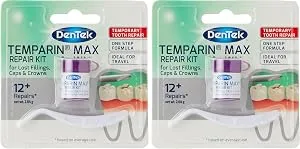
Why it helps: This emergency dental kit includes temporary cement and filling material to secure loose crowns and protect exposed teeth until professional care is available.
Why Doesn’t It Hurt When My Crown Falls Out?
Many people are shocked when their crown falls out with no pain. Here is why:
If the tooth had a root canal, the nerve is gone. You will feel no pain or feeling when the crown comes off. Even if the tooth still has a nerve, losing the crown just uncovers the tooth; it does not hurt the tooth itself.
Pain only happens if the bare tooth touches hot, cold, or sweet things, or if it has a cavity.
Even if it does not hurt, do not wait to get help. An open tooth can easily get hurt, rot, or feel sore, so see a dentist fast.
How Can I Prevent My Dental Crown from Falling Out Again?
To keep your crown from falling out again, try these easy steps:
1. Regular Dental Check-ups
Go to the dentist every six months so they can check your crown. They can spot weak glue or decay before your crown gets loose.
2. Good Oral Hygiene
Brush your teeth twice a day with fluoride toothpaste. Floss carefully around your crown and use mouthwash to stop germs and gum disease. Be extra careful where your crown meets your real tooth.
3. Avoid Hard Foods
Do not chew on hard things like ice, hard candy, popcorn kernels, pens, or your fingernails.
4. Protect Against Trauma
Protect your mouth from injury. Wear a custom night guard if you grind your teeth at night, or a mouthguard when playing sports.
5. Address Dental Issues Promptly
Fix tooth decay or gum problems right away to keep the tooth strong. If your crown feels weird or loose, call your dentist immediately.
6. Follow Post-Treatment Instructions
Follow your dentist’s rules after getting a crown. Do not eat sticky foods right away. The glue needs a few hours to set and 24 to 48 hours to get totally hard.
7. Consider Crown Replacement
If your crown is over 10 to 15 years old, ask your dentist if you need a new one. Old crowns fall out more often because the crown and glue wear down.
When Should I See a Dentist for a Dental Emergency?
Even if you feel no pain, you must see a dentist fast. The American Dental Association says lost crowns can quickly cause big problems. Look out for these signs:
- Within 24-48 Hours: Even if you experience no pain, schedule an appointment within one to two days. The exposed tooth is vulnerable and needs protection.
- The Crown Cannot Be Reattached: If the crown is damaged, doesn’t fit properly, or cannot be reattached, it may need replacement. Don’t try to force a damaged crown back onto your tooth.
- Pain or Discomfort Develops: If you experience any pain, discomfort, or sensitivity after the crown falls out, it could indicate an underlying issue that needs prompt attention. This might signal decay or damage to the underlying tooth structure.
- Exposed Tooth: An exposed tooth without the crown can be vulnerable to decay and damage, so seeing a dentist promptly is crucial. The tooth may also become sensitive to temperature changes.
- Change in Tooth Color or Appearance: A change in the color or appearance of the tooth may signal an issue that requires professional evaluation, such as decay or a fracture.
- Inability to Secure the Crown Temporarily: If you cannot secure the crown temporarily or have concerns about its condition, consult your dentist for guidance. They may be able to see you on an emergency basis.
- Signs of Infection: If you notice swelling, a bad taste in your mouth, or any signs of infection around the tooth, seek immediate dental care.
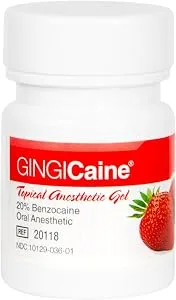
Why it helps: If your exposed tooth becomes sensitive after the crown falls out, this topical gel provides fast, temporary relief until you can see your dentist.
What Will the Dentist Do?
When you go to the dentist after a lost crown, they will do these things:
Examination: Your dentist will look at the crown and your tooth. They may take X-rays to check for cavities or breaks under the gum.
Cleaning: They will clean the crown and the tooth to remove old glue and germs.
Assessment: The dentist will see if the crown can be glued back on or if you need a new one. If the tooth has a new cavity or changed shape, you will need a new crown.
Re-cementation or Replacement: If the old crown is good, they will glue it back on with new dental cement. If you need a new one, they take a scan and give you a temporary crown while the real one is made.
Follow-up Care: They will tell you how to care for it and may set a time to check on you.
How Much Does Crown Repair or Replacement Cost in 2026?
The cost to fix or replace a crown depends on a few things:
- Re-cementation: If your existing crown can be cleaned and re-cemented, the cost typically ranges from $50 to $200, depending on your location and dental practice.
- New Crown: If a new crown is needed, costs can range from $800 to $3,000 per tooth, depending on the material used (porcelain, ceramic, metal, or zirconia) and whether you have dental insurance.
- Insurance Coverage: Many dental insurance plans cover a portion of crown replacement costs, especially if the crown is more than five years old. Check with your insurance provider for specific coverage details.
- Payment Plans: Many dental offices offer payment plans or financing options to make crown replacement more affordable.
Can I Eat With a Missing Crown?
You can eat while you wait to see the dentist, but be careful:
- Stick to soft foods that don’t require much chewing
- Avoid hot, cold, or sweet foods that might cause sensitivity
- Chew on the opposite side of your mouth from the exposed tooth
- Avoid sticky or hard foods that could damage the exposed tooth
- Rinse your mouth with warm salt water after eating to keep the area clean
Dangerous home “hacks” to avoid
- Aspirin on the gum or tooth. Aspirin is an acid; it chemically burns the gum and does nothing for the pain. Swallow pain relievers as the label directs, never place them.
- Undiluted clove oil on an open wound or socket. A trace on a tooth can numb briefly; neat clove oil on gum tissue or a fresh socket causes burns and delays healing.
- Rinsing with alcohol, whisky, or hydrogen peroxide. They dry and irritate tissue, disturb a healing clot, and interact with pain relievers. Warm salt water is enough.
- Popping or draining a swelling yourself. Pushing on an abscess can spread the infection. Cold outside the cheek, and a dentist today.
- Leftover or borrowed antibiotics. They mask symptoms for a few days, breed resistant bacteria, and the tooth still needs treatment.
- Heat on a swollen face. Heat increases blood flow and swelling around an infection; use cold until a dentist has seen it.
Instant PDF · $12
The Dental Recovery & Savings Bundle
A day-by-day recovery calendar (what’s normal, what to eat, when to call your dentist) plus 4 word-for-word scripts to lower your next dental bill. 30-day money-back promise.
Get the bundle →Conclusion
It can be strange when your crown falls out with no pain. But you must know why it happened and take the right steps.
Crowns protect your teeth. To keep them safe, get regular dental care, clean your teeth well, and see a dentist fast when something goes wrong.
Remember, even with no pain, an open tooth can rot or break. Call your dentist within 24 to 48 hours to get your crown fixed or replaced. With good care, your crown will protect your tooth for a long time.
In 2026, dental tech makes crown work fast. Many dentists make same-day crowns using digital scans, so you do not have to wait weeks for a new one.
Use these new tools and see a dentist right away if your crown falls out.
This article is for informational purposes only and is not a substitute for professional advice. Consult a qualified professional for personal recommendations.