
First Night After Tooth Extraction: Complete Recovery Guide
Learn how to manage pain, stop bleeding, eat safely, and sleep comfortably during your first night after tooth extraction in this complete recovery guide.
Disclosure: this article contains affiliate links. As an Amazon Associate, Go Fix Teeth earns from qualifying purchases at no extra cost to you. Prices and availability are those shown on Amazon at the time you visit.
The first night after a tooth extraction can feel overwhelming, but with the right care and preparation, you can navigate this critical healing period smoothly. While some soreness, swelling, and bleeding are completely normal after dental surgery, understanding what to expect and how to manage symptoms will make your recovery much more comfortable.
This comprehensive guide will walk you through everything you need to know about your first 24 hours post-extraction, from managing pain and bleeding to choosing the right foods and sleep positions. By following your dentist’s post-operative recommendations and the evidence-based tips below, you’ll set yourself up for a faster, smoother recovery in 2026.
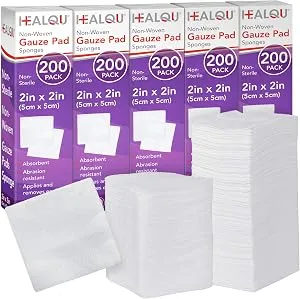
Why it helps: Sterile medical-grade gauze pads provide essential pressure and absorbency to control bleeding during the critical early hours after extraction.
Check Price on Amazon🧮 Free tool: Use our free tooth extraction healing calculator to see what is normal for your day.
📩 Important: after you sign up, open the email from Go Fix Teeth and tap Confirm. Your PDF opens right away. Not there? Check Spam or Promotions.
Make the next few days easier
Having these basics ready at home makes the first few days more comfortable:
Ice pack head wrap
Hands-free cold therapy for the first 48 hours to limit swelling.
Check price on AmazonSterile 4×4 gauze pads
Bite down gently to control oozing on day 1. Keep extra at home.
Check price on Amazon📘 Want the full plan? Our Dental Recovery & Savings Bundle covers day-by-day care, pain relief and how to save on dental bills.
As an Amazon Associate we earn from qualifying purchases, at no extra cost to you. Always follow your dentist's instructions.
What to Expect During Your First Night After Tooth Extraction
The first night following a tooth extraction is when your body begins the healing process in earnest. During this time, you may experience several common symptoms as your body responds to the procedure:
- Bleeding and oozing: Light oozing or pink-tinged saliva is completely normal for the first 12-24 hours. A small amount of blood mixed with saliva often looks like more blood than it actually is.
- Pain and discomfort: Soreness typically peaks within the first 24-48 hours after local anesthesia wears off (usually within 2 to 4 hours).
- Swelling: Facial swelling may begin to develop and can continue increasing for 2-3 days before starting to subside.
- Limited jaw mobility: Stiffness and difficulty opening your mouth fully (trismus) is common.
Understanding that these symptoms are part of the normal healing process can help reduce anxiety. However, if you experience severe, uncontrolled bleeding or pain that doesn’t respond to medication, contact your dentist immediately.
Managing Pain During the First Night
Pain management is one of the most important aspects of your first night recovery. When the local anesthetic wears off—usually within 2-4 hours—you’ll likely begin to feel discomfort at the extraction site. Here’s how to stay comfortable:
Over-the-Counter Pain Relief
Most patients find relief with standard over-the-counter medications. Taking acetaminophen and ibuprofen together can provide superior pain control compared to either medication alone. Follow the dosing instructions carefully, and take your first dose before the anesthesia completely wears off for better pain prevention.
Ice Pack Application
Applying ice packs to the outside of your face near the extraction site can significantly reduce both pain and swelling. Use ice for 15-20 minutes at a time, with 15-minute breaks in between, during the first 24 hours. This technique helps numb the area and constricts blood vessels to minimize inflammation.
Elevation While Sleeping
Sleep with your head elevated using 2-3 pillows to reduce blood flow to the extraction site. This position helps minimize swelling and throbbing pain that can worsen when lying flat. Avoid sleeping on the side of the extraction to prevent pressure on the healing socket.
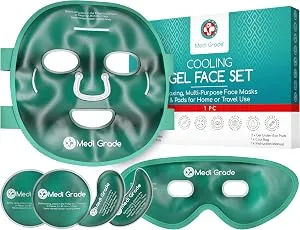
Why it helps: Flexible gel ice packs conform to your jaw and provide consistent cold therapy to reduce swelling and numb pain.
Check Price on AmazonControlling Bleeding After Tooth Extraction
Some bleeding during the first night is completely normal and expected. The key is knowing how to manage it properly and recognizing when bleeding becomes excessive.
The Gauze Bite Technique
Your dentist likely provided you with gauze pads to control bleeding. Fold a clean gauze pad into a thick square, place it directly over the extraction site, and bite down firmly for 30-45 minutes. The constant pressure helps a blood clot form, which is essential for proper healing.
Avoid the temptation to check the site frequently or change gauze pads every few minutes, as this can disrupt clot formation.
The Tea Bag Method for Persistent Oozing
If standard gauze doesn’t stop active oozing after 2 hours, a moistened black tea bag is an effective traditional remedy supported by dental research (NIH). Black tea contains natural tannic acid, an astringent that helps constrict blood vessels and promote rapid blood clotting:
- Moisten a plain black tea bag (not herbal) with cool water and squeeze out excess moisture.
- Place it directly over the extraction socket.
- Bite down firmly for 30 minutes without resting or checking.

Why it helps: Natural tannic acid in black tea acts as a natural astringent to constrict blood vessels and encourage fast clot formation at the extraction site.
Check Price on AmazonWhen to Be Concerned About Bleeding
While light oozing or pink saliva is expected for 12 to 24 hours, active bleeding that pools rapidly in your mouth or continues soaking through gauze every 15-20 minutes after 4-6 hours requires immediate attention.
If you experience continued bleeding after 2 hours that does not respond to steady pressure or tea bag application, contact your dentist or visit an emergency dental clinic immediately.
Activities That Can Cause Bleeding
Certain actions can dislodge the blood clot or increase bleeding during your first night:
- Avoid rinsing vigorously: If you accidentally rinse your mouth too forcefully, you risk dislodging the clot
- Don’t use straws: The suction can pull the blood clot out of the socket
- No spitting: Let excess saliva drool gently into a tissue rather than spitting forcefully
- No smoking or vaping: Tobacco and inhaled vapor dramatically increase bleeding and dry socket risk
- Avoid touching the area: Keep your tongue, fingers, and any objects away from the extraction site
- Avoid strenuous exercise: Heavy lifting or cardio elevates blood pressure and restarts bleeding
What to Eat on Your First Night After Tooth Extraction
Choosing the right foods is crucial for comfort and proper healing. Your extraction site will be tender and sensitive, so stick to foods that require minimal chewing and won’t irritate the wound.
Best Foods for the First 24 Hours
During your first night and the following day, focus on soft, cool foods that are easy to swallow:
- Yogurt: Smooth, protein-rich, and requires no chewing
- Applesauce: Nutritious and gentle on the extraction site
- Smoothies: Packed with nutrients, but drink from a cup, not a straw
- Ice cream or frozen yogurt: The cold temperature helps reduce swelling
- Mashed potatoes: Filling and soft, but let them cool to room temperature
- Pudding or gelatin: Easy to eat and soothing
- Lukewarm broth or soup: Avoid hot temperatures that can increase bleeding
Foods to Avoid
Stay away from anything that could damage the extraction site or get stuck in the socket:
- Hard, crunchy foods like chips, nuts, or raw vegetables
- Spicy foods that can irritate the wound
- Hot foods and beverages that can dissolve the blood clot
- Acidic foods like citrus fruits or tomatoes
- Small seeds or grains that can lodge in the socket
- Chewy foods like bagels or tough meats
Staying Hydrated
Proper hydration is essential for healing. Drink plenty of water throughout the evening, but sip gently rather than gulping. Room temperature or cool water is best. You can also drink electrolyte beverages to replace fluids lost through bleeding, but avoid carbonated drinks and alcohol.
Sleep Positioning and Comfort Tips
Getting quality rest during your first night can be challenging when you’re dealing with discomfort. Here are strategies to help you sleep better:
Optimal Sleep Position
Sleep on your back or on the side opposite the extraction site with your head elevated at a 45-degree angle. This position minimizes blood flow to the area, reducing throbbing pain and swelling. Use multiple pillows or a wedge pillow to maintain this angle comfortably throughout the night.
Preparing Your Sleep Environment
Set yourself up for success before bed:
- Place a towel on your pillow in case of minor bleeding or drooling
- Keep water, pain medication, and gauze pads on your nightstand
- Set a gentle alarm if you need to take medication during the night
- Keep your room cool, as this can help reduce swelling

Why it helps: A wedge pillow maintains the ideal elevated angle all night, reducing swelling and preventing you from rolling onto the extraction site.
Check Price on AmazonOral Hygiene During the First Night
Maintaining cleanliness is important, but you must be extremely gentle to avoid disturbing the extraction site.
Brushing Your Teeth Safely
You can carefully brush your teeth after extraction, but you must adhere to strict guidelines during the first 24 hours:
- Avoid the extraction site entirely: Do not brush the socket or adjacent teeth during the first 24 hours.
- Use an extra-soft toothbrush: Post-surgical or ultra-soft bristles clean surrounding teeth without irritating tender gum tissue.
- Brush gently: Clean remaining teeth holding the brush at a 45-degree angle to the gumline using light circular motions.
- Do not spit forcefully: Lean over the sink and let toothpaste and water dribble out naturally.
- Manage anxiety and discomfort: If you are afraid to brush, take your pain medication 30 minutes beforehand and go slow.
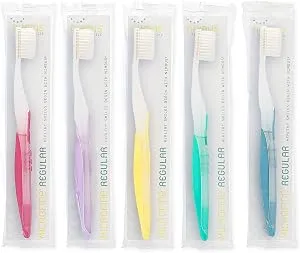
Why it helps: Ultra-soft bristles gently clean non-affected teeth without irritating tender surgical sites or disturbing blood clots.
Check Price on AmazonRinsing Guidelines
Most clinical recommendations (American Dental Association) advise avoiding any mouth rinsing during the first 24 hours to ensure the initial blood clot forms undisturbed. After 24 hours, you may gently rinse with warm salt water (1/2 teaspoon of salt in 8 ounces of warm water) after meals.
Avoid alcohol-based mouthwashes that cause stinging and tissue irritation; if recommended by your dentist, opt for an alcohol-free antibacterial rinse.
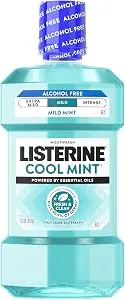
Why it helps: Gently cleanses oral tissue after the initial 24 hours without burning sensations or dry socket irritation.
Check Price on AmazonFirst Night vs. Days 2–7 Healing Timeline
Knowing how your symptoms evolve over the first week helps you distinguish expected healing from potential complications:
| Timeframe | Normal Symptoms | Key Care Actions |
|---|---|---|
| Hours 0–2 | Numbness, active oozing, mild throbbing as anesthesia fades | Bite firmly on gauze pad for 30-45 min; rest quietly |
| Hours 2–12 (First Night) | Pink saliva, mild swelling starting, peak soreness | Take pain medication, apply ice 15 min on/off, sleep elevated 45° |
| Days 2–3 | Peak facial swelling, mild bruising, jaw stiffness | Switch to warm compresses, begin gentle saltwater rinses after 24 hrs |
| Days 4–7 | Swelling subsides, pain decreases significantly | Gradually transition to soft solid foods; gentle brushing near site |
Warning Signs to Watch For (When to See a Dentist Immediately)
While most extractions heal without complications, be alert for these warning signs that require immediate dental or medical attention:
- Excessive or profuse bleeding: Active dark bleeding that fills your mouth rapidly or fails to slow after 45 minutes of firm pressure or tea bag application.
- Signs of systemic emergency: Dizziness, lightheadedness, weakness, or feeling faint.
- Airway compromise: Difficulty breathing or swallowing, or swelling spreading rapidly toward your eye or neck (go to an emergency department immediately).
- Severe worsening pain: Intense, throbbing pain developing 2-4 days post-extraction that radiates to the ear or eye (classic sign of dry socket).
- High fever: Body temperature above 101°F (38.3°C) suggesting an active infection.
- Persistent numbness: Prolonged numbness in tongue, lip, or chin lasting long after local anesthesia should wear off.
- Pus or foul taste: Discharge or unpleasant odor coming directly from the socket.
If you experience any of these emergency symptoms, contact your dentist immediately or seek urgent medical evaluation.
Creating Your First Night Recovery Checklist
Preparation is key to a smooth first night. Before your extraction, gather these essential items:
- Extra sterile gauze pads (medical grade)
- Over-the-counter pain medication (ibuprofen and acetaminophen)
- Plain black tea bags (for persistent oozing)
- Ice packs or flexible facial gel packs
- Soft foods and cold beverages (yogurt, applesauce, broth)
- Extra pillows or a wedge pillow for 45-degree elevation
- An extra-soft toothbrush for surrounding teeth
- A thermometer to monitor for fever
- Your dentist’s emergency contact number
Dangerous home “hacks” to avoid
- Aspirin on the gum or tooth. Aspirin is an acid; it chemically burns the gum and does nothing for the pain. Swallow pain relievers as the label directs, never place them.
- Undiluted clove oil on an open wound or socket. A trace on a tooth can numb briefly; neat clove oil on gum tissue or a fresh socket causes burns and delays healing.
- Rinsing with alcohol, whisky, or hydrogen peroxide. They dry and irritate tissue, disturb a healing clot, and interact with pain relievers. Warm salt water is enough.
- Popping or draining a swelling yourself. Pushing on an abscess can spread the infection. Cold outside the cheek, and a dentist today.
- Leftover or borrowed antibiotics. They mask symptoms for a few days, breed resistant bacteria, and the tooth still needs treatment.
- Heat on a swollen face. Heat increases blood flow and swelling around an infection; use cold until a dentist has seen it.
Frequently Asked Questions (FAQ)
Why is my saliva still pink 2 hours after tooth extraction?
Pink saliva is completely normal for the first 12 to 24 hours. A tiny drop of blood mixes with a large volume of saliva, making it look like significant bleeding. As long as dark, active blood is not pooling in your mouth, your body is forming a healthy clot.
What should I do if I accidentally rinsed my mouth during the first 24 hours?
If you accidentally rinsed your mouth, stop immediately. Check the socket gently in a mirror. If light bleeding resumes, bite on a fresh gauze pad or tea bag for 30 minutes to help the clot re-stabilize, and refrain from any further swishing or spitting.
Can I use a tea bag if my tooth extraction won’t stop bleeding?
Yes. Black tea bags contain tannic acid, which acts as a natural astringent to constrict blood vessels. Dampen a black tea bag with cool water, place it over the socket, and bite down firmly for 30 minutes.
When can I brush my teeth normally again?
You can brush non-adjacent teeth carefully after 24 hours using an extra-soft toothbrush. Avoid direct contact with the extraction socket for the first week to allow full tissue restoration.
The Days Following Your First Night
While this guide focuses on your first night, understanding what comes next can help you prepare mentally for the recovery journey. Most patients experience the worst discomfort during days 2-3, with gradual improvement afterward. Swelling typically peaks around day 3 before subsiding.
Continue following your dentist’s instructions regarding pain management, oral hygiene, and diet. You can gradually reintroduce more solid foods as comfort allows, but continue avoiding anything that could damage the healing socket. Most extraction sites heal significantly within 7-10 days, though complete bone healing takes several months.
The Dental Recovery & Savings Bundle gives you a day-by-day recovery calendar (what’s normal, what to eat, when to call your dentist), plus 4 scripts to lower your next dental bill. Instant PDF, $12, 30-day money-back promise.
Get the recovery bundle →
Final Thoughts on Your First Night Recovery
The first night after tooth extraction is undoubtedly the most challenging part of your recovery, but it’s also when your body begins its remarkable healing process. By managing pain effectively, controlling bleeding, eating appropriate foods, and getting adequate rest, you’re giving your body the best chance to heal quickly and completely.
Remember that everyone’s recovery experience is unique. Some people bounce back quickly with minimal discomfort, while others need more time and support. Be patient with yourself, follow your dentist’s specific instructions, and don’t hesitate to reach out with questions or concerns.
Your dental team wants your recovery to be as smooth as possible and is there to support you through this process.
With proper care during this critical first night and the days that follow, you’ll be back to your normal routine before you know it, with one less problematic tooth to worry about and a healthier smile for 2026 and beyond.