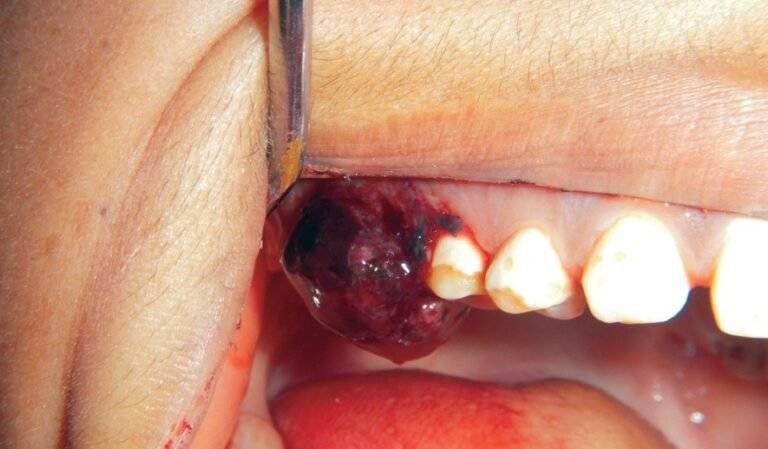

Non-Surgical Wisdom Tooth Extraction Recovery: Complete Guide for 2026
Non-Surgical Wisdom Tooth Extraction Recovery: Your Complete 2026 Guide to Fast Healing A non-surgical wisdom tooth…
A non-surgical wisdom tooth extraction recovery typically takes several days and requires proper care to ensure a smooth healing process. This type of extraction involves removing a tooth that has already erupted through the gum line, without the need for surgical incisions or stitches. While the recovery period may vary depending on your individual circumstances and the complexity of the extraction, understanding what to expect can help you heal faster and more comfortably.
If you’re preparing for this procedure, you’ll want to know exactly how to care for yourself afterward. This comprehensive guide will walk you through everything you need to know about non-surgical wisdom tooth extraction recovery in 2026, from what happens immediately after the procedure to when you can safely return to your normal activities.
What Is Non-Surgical Wisdom Tooth Extraction?
Non-surgical wisdom tooth extraction, also known as a simple extraction, is a common dental procedure that removes a tooth without requiring incisions or stitches. Unlike surgical extractions that involve cutting into the gum tissue or removing bone, this straightforward approach is used when the wisdom tooth has already fully erupted and is easily accessible.
This type of extraction typically results in minimal discomfort and a shorter recovery time compared to surgical removal. Your dentist will use specialized instruments to gently loosen the tooth from its socket before carefully removing it. The entire procedure usually takes just 20-40 minutes per tooth, depending on the tooth’s position and root structure.

Why it helps: This complete recovery kit includes ice packs, gauze, and oral care essentials specifically designed for post-extraction healing.
Non-Surgical Wisdom Tooth Extraction Recovery Timeline
Understanding the typical recovery timeline can help you plan accordingly and know what to expect during each phase of healing. Here’s what most patients experience:
First 24 Hours
The first day is crucial for proper healing. You’ll likely experience some bleeding, which is completely normal. Your dentist will place gauze over the extraction site, which you should bite down on firmly for 30-45 minutes. Some oozing may continue for the first few hours, but heavy bleeding should stop within the first day.
Swelling typically begins within 2-3 hours after the procedure and peaks around 48-72 hours. Applying ice packs to the outside of your face for 15-20 minutes at a time can significantly reduce swelling and discomfort. If you’re experiencing extreme tooth pain that’s keeping you awake, contact your dentist immediately.
Days 2-3
During this period, you may notice increased swelling and some bruising around the extraction site. This is your body’s natural inflammatory response and is part of the healing process. The discomfort should be manageable with over-the-counter pain medication as recommended by your dentist.
You’ll start to see a whitish or yellowish tissue forming in the socket—this is normal granulation tissue, not an infection. Continue with gentle saltwater rinses (starting 24 hours after extraction) to keep the area clean.
Days 4-7
Most patients notice significant improvement during this week. Swelling should begin to subside, and pain levels typically decrease considerably. You may still feel some tenderness when touching the area or eating, but this should be mild.
The extraction site will continue to fill in with healing tissue. You can gradually start introducing slightly firmer foods into your diet, though you should still avoid anything hard, crunchy, or chewy that could disturb the healing socket.
Days 7-10
By the end of the first week to ten days, most patients feel back to normal. The extraction site should be well on its way to healing, though complete bone healing can take several weeks to months. You can typically resume your normal diet and activities by this point, though you should still be gentle when brushing near the extraction site.
If you’re still experiencing significant pain after this period, similar to pain that persists 5 days after tooth extraction, it’s important to contact your dentist to rule out complications.
Can I Go to Work the Next Day After Wisdom Tooth Extraction?
This is one of the most common questions patients ask, and the answer depends on several factors. Even for non-surgical extractions, most dental professionals recommend taking at least one to two days off from work or school after having wisdom teeth removed. This allows the initial healing process to begin properly and reduces the risk of complications.
While some patients feel well enough to return to work the following day, others may experience more significant pain or swelling and require additional rest time. It’s essential to listen to your body and give yourself adequate time to recover.
Consider these factors when deciding when to return to work:
- Type of work: If your job involves physical labor, heavy lifting, or strenuous activity, you should wait at least 3-5 days before returning. Physical exertion can dislodge the blood clot and delay healing.
- Pain management: If you’re taking prescription pain medication, you should not drive or operate machinery, which may affect your ability to work safely.
- Speaking requirements: Jobs that require extensive talking may be uncomfortable in the first few days when your mouth is still swollen and tender.
- Your individual healing: Everyone heals at different rates. Some people bounce back quickly, while others need more recovery time.
If you’re unsure when you can safely return to work after your wisdom tooth removal, consult with your dentist or oral surgeon for personalized recommendations based on your specific situation and job requirements.
Why it helps: This flexible gel ice pack conforms to your face perfectly and provides consistent cold therapy to reduce swelling and pain after extraction.
How to Speed Up Wisdom Tooth Recovery
While healing takes time, there are several proven strategies you can use to accelerate your recovery and minimize discomfort:
Follow Your Dentist’s Instructions Carefully
This cannot be stressed enough. Your dentist will provide specific post-operative guidelines tailored to your situation. Following these instructions precisely is the single most important thing you can do to ensure a smooth and speedy recovery. This includes taking prescribed medications on schedule, avoiding certain foods and activities, and properly caring for the extraction site.
Apply Ice Packs Strategically
During the first 48 hours, apply ice packs to the affected area for 15-20 minutes at a time, with 15-minute breaks in between. This helps reduce swelling and numbs the area to provide pain relief. After 48 hours, you can switch to warm compresses if swelling persists.
Rinse with Salt Water
Starting 24 hours after your extraction, gently rinse your mouth with warm salt water (1/2 teaspoon of salt in 8 ounces of warm water) 4-6 times daily, especially after meals. This helps keep the extraction site clean and reduces the risk of infection. Be gentle—don’t swish vigorously, as this could dislodge the blood clot.
Choose the Right Foods
For the first few days, stick to soft, cool foods that require minimal chewing. Good options include:
- Yogurt and smoothies (avoid using straws)
- Applesauce and mashed bananas
- Mashed potatoes and sweet potatoes
- Scrambled eggs
- Protein shakes (again, no straws)
- Pudding and ice cream
- Well-cooked pasta
- Soup (make sure it’s not too hot)
Avoid hard, crunchy, chewy, spicy, or acidic foods that could irritate the extraction site or get lodged in the socket. This includes chips, nuts, popcorn, raw vegetables, tough meats, and citrus fruits.
Get Plenty of Rest
Your body needs energy to heal. Plan to take it easy for at least the first 2-3 days after your extraction. Sleep with your head elevated on 2-3 pillows to help reduce swelling. Avoid strenuous exercise, heavy lifting, and bending over for at least 3-5 days, as these activities can increase blood pressure and cause bleeding.
Maintain Gentle Oral Hygiene
Continue brushing and flossing your teeth, but be extremely gentle around the extraction site. You can start brushing near the area after 24 hours, but avoid directly touching the socket for the first few days. Don’t use mouthwash containing alcohol for at least 24 hours, as it can irritate the wound.
Avoid Smoking and Alcohol
Smoking is one of the worst things you can do during recovery. It significantly increases your risk of developing dry socket (a painful condition where the blood clot dislodges) and delays healing. If you smoke, try to abstain for at least 72 hours, though longer is better. Similarly, avoid alcohol for at least 24-48 hours, especially if you’re taking pain medication. Learn more about the risks of smoking after tooth extraction.
Stay Hydrated
Drink plenty of water to stay hydrated and help flush out bacteria. However, avoid using straws for at least a week, as the sucking motion can dislodge the blood clot and lead to dry socket. Sip directly from a cup or glass instead.
Take Medications as Prescribed
If your dentist prescribed antibiotics, take the entire course even if you start feeling better. For pain management, take medications as directed—don’t wait until the pain becomes severe. Over-the-counter options like ibuprofen or acetaminophen are usually sufficient for non-surgical extractions. Some patients find that alternating Tylenol and ibuprofen provides better pain control.
Why it helps: This alcohol-free oral rinse promotes healing and helps prevent infection without the harsh burning sensation of traditional mouthwashes.
Signs of Complications to Watch For
While most non-surgical wisdom tooth extractions heal without problems, it’s important to recognize warning signs that may indicate complications requiring immediate attention:
- Severe, worsening pain: Some discomfort is normal, but if pain intensifies after the third day or becomes unbearable, you may have developed dry socket or an infection.
- Heavy bleeding: Light oozing is normal for the first 24 hours, but if you experience heavy bleeding that doesn’t stop after applying pressure with gauze for 30 minutes, contact your dentist.
- Fever: A temperature above 100.4°F (38°C) may indicate an infection.
- Excessive swelling: While some swelling is expected, if it continues to worsen after the third day or is accompanied by difficulty breathing or swallowing, seek immediate care.
- Pus or foul-smelling discharge: These are clear signs of infection that require antibiotic treatment.
- Numbness: Persistent numbness in your tongue, lips, or chin beyond the first few hours may indicate nerve damage.
- Difficulty opening your mouth: Some stiffness is normal, but if you can’t open your mouth at all, contact your dentist.
If you notice any of these symptoms, don’t wait—contact your dentist or oral surgeon immediately. Early intervention can prevent more serious complications and get you back on track to proper healing.
What to Expect During Your Follow-Up Appointment
Most dentists schedule a follow-up appointment 7-10 days after your extraction to check on your healing progress. During this visit, your dentist will:
- Examine the extraction site to ensure it’s healing properly
- Remove any stitches if they were placed (though non-surgical extractions typically don’t require stitches)
- Check for signs of infection or dry socket
- Answer any questions or concerns you may have
- Clear you to resume normal activities if healing is progressing well
Don’t skip this appointment, even if you feel fine. Your dentist can identify potential problems that may not be obvious to you and address them before they become more serious.
Long-Term Care After Non-Surgical Wisdom Tooth Extraction
Once you’ve fully recovered from your extraction, it’s important to maintain good oral hygiene to prevent future dental problems. Continue brushing twice daily, flossing regularly, and visiting your dentist for routine checkups and cleanings.
The space where your wisdom tooth was removed will gradually fill in with bone tissue over the next several months. You may notice a slight indentation in your gum line, which is completely normal. This area doesn’t require any special care once it’s fully healed.
If you had multiple wisdom teeth removed or still have other wisdom teeth that haven’t been extracted, talk to your dentist about monitoring them. Not all wisdom teeth need to be removed, but regular X-rays can help identify potential problems before they cause pain or damage to adjacent teeth.
Frequently Asked Questions
How long does non-surgical wisdom tooth extraction recovery take?
Most patients recover within 7-10 days after a non-surgical wisdom tooth extraction. However, complete bone healing can take several weeks to months. You should be able to return to normal activities within a few days, though you may still need to be gentle with the extraction site for a week or two.
Is non-surgical extraction less painful than surgical extraction?
Yes, non-surgical extractions typically involve less pain and a shorter recovery time because they don’t require incisions or bone removal. However, individual pain tolerance varies, and some people may still experience significant discomfort even with a simple extraction.
Can I brush my teeth after non-surgical wisdom tooth extraction?
Yes, you can and should continue brushing your teeth, but be very gentle around the extraction site for the first few days. You can start gently brushing near the area after 24 hours, but avoid directly touching the socket. For more detailed guidance, read our article on brushing after tooth extraction.
When can I eat normally after wisdom tooth extraction?
Most people can gradually return to their normal diet within 7-10 days. Start with soft foods and slowly introduce firmer textures as you feel comfortable. Avoid hard, crunchy, or chewy foods for at least a week to prevent disturbing the healing socket.
What happens if I accidentally dislodge the blood clot?
If you dislodge the blood clot, you may develop dry socket, a painful condition that requires treatment. If you think this has happened, contact your dentist immediately. They can clean the socket and place a medicated dressing to promote healing and relieve pain.
Final Thoughts on Non-Surgical Wisdom Tooth Extraction Recovery
Recovering from a non-surgical wisdom tooth extraction doesn’t have to be a difficult experience. By following your dentist’s instructions, taking proper care of the extraction site, and giving your body time to heal, you can expect a smooth recovery within 7-10 days.
Remember that everyone heals at their own pace, so don’t be alarmed if your recovery takes slightly longer or shorter than expected. The key is to be patient with yourself, watch for warning signs of complications, and reach out to your dental professional if you have any concerns.
With proper care and attention, you’ll be back to your normal routine before you know it, with one less wisdom tooth to worry about. Your oral health is worth the temporary inconvenience, and taking the time to recover properly now will help prevent more serious dental problems down the road.