Salt on Cold Sore Overnight: Does It Really Work? (2026 Evidence-Based Guide)
Cold sores, also known as fever blisters, can be both painful and unsightly. These viral infections…
Cold sores, also known as fever blisters, can be both painful and unsightly. These viral infections are caused by the herpes simplex virus (HSV) and typically appear as small, fluid-filled blisters on or around the lips.
Many individuals seek quick remedies to alleviate the discomfort and speed up the healing process. One such home remedy that has gained attention is the use of salt on cold sores overnight. In this comprehensive 2026 guide, we’ll explore whether this method actually works, how to use it safely, the science behind it, and what alternatives might work better for your situation.

Why it helps: Clinically proven to shorten healing time when applied at the first sign of a cold sore outbreak.
Does Salt on Cold Sores Overnight Actually Work?
The idea behind using salt on cold sores overnight is that salt has natural antiseptic properties, which can help prevent the infection from spreading while simultaneously drawing moisture out of the sore. However, it’s important to understand that the effectiveness of this method varies significantly from person to person, and scientific evidence supporting its efficacy remains limited as of 2026.
Salt can theoretically create an unfavorable environment for the herpes virus by dehydrating the blister. This osmotic effect may potentially reduce the lifespan of the cold sore and provide some relief from discomfort. The mechanism works similarly to how salt preserves food—by creating an environment where microorganisms struggle to survive.
That said, dermatologists and oral health specialists emphasize that while salt may provide temporary relief, it’s not a cure for the underlying viral infection. The herpes simplex virus remains dormant in your nerve cells and can reactivate during times of stress, illness, or immune system compromise.
How to Safely Use Salt on Cold Sores Overnight
If you decide to try salt on cold sores, follow this step-by-step guide to minimize irritation and maximize potential benefits:
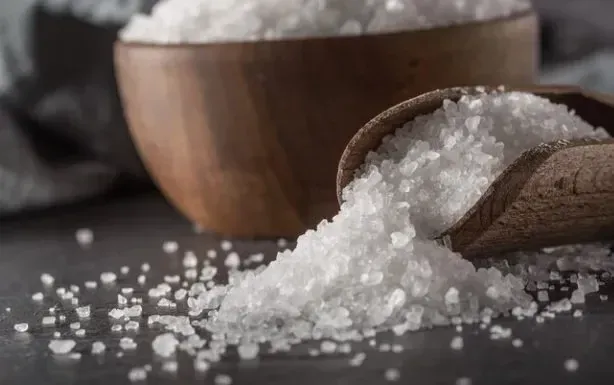
- Gather your supplies: You’ll need fine-grain table salt (preferably non-iodized sea salt) and a clean cotton swab or cotton ball. Wash your hands thoroughly with soap and warm water before touching the affected area.
- Clean the area gently: Use lukewarm water and a mild, fragrance-free soap to cleanse the area around the cold sore. Pat it dry with a clean, soft towel—avoid rubbing, which can irritate the blister.
- Prepare the salt application: Pour a small amount of salt onto a clean plate or dish. Ensure the salt is completely dry for best results.
- Apply with care: Dip the cotton swab into the salt, picking up a modest amount. Gently press the salted swab onto the cold sore, holding it in place for approximately 30 seconds. Use minimal pressure to avoid rupturing the blister, which can lead to infection and scarring.
- Leave it overnight: Apply the salt before bedtime and leave it on the cold sore overnight. You may experience initial stinging or burning—this is normal but should subside within a few minutes.
- Rinse thoroughly in the morning: Upon waking, rinse the area gently with lukewarm water to remove all salt residue. Pat dry with a clean towel and apply a protective lip balm if desired.
- Monitor and adjust: You can repeat this process once or twice daily, but discontinue immediately if you experience excessive irritation, increased pain, or signs of worsening.
Remember, the key to success with this method is gentleness. Breaking the blister open can introduce bacteria and significantly prolong healing time.
The Science Behind Salt: Risks and Benefits
Before using salt as a remedy for cold sores, it’s essential to understand both the potential benefits and the very real risks involved.
Potential Benefits:
- Osmotic dehydration: Salt draws moisture from the blister, potentially reducing swelling and creating an inhospitable environment for viral replication.
- Natural antiseptic properties: Salt has mild antimicrobial effects that may help prevent secondary bacterial infections.
- Cost-effective and accessible: Salt is an inexpensive household staple, making it an attractive option for those seeking immediate relief without a trip to the pharmacy.
- Possible reduction in healing time: Some individuals report that salt application helps their cold sores dry out faster, though this is largely anecdotal.
Significant Risks:
- Pain and burning sensation: Salt on open or broken skin causes immediate stinging that can be quite uncomfortable, especially for those with sensitive oral tissues.
- Tissue irritation: Excessive or prolonged salt application can damage delicate lip tissue, leading to increased redness, inflammation, and delayed healing.
- Risk of rupture and infection: Improper application can break the blister open, exposing raw tissue to bacteria and potentially causing a more serious infection.
- Not a viral treatment: Salt does nothing to combat the herpes simplex virus itself—it only addresses surface symptoms.
- Individual variability: What provides relief for one person may worsen symptoms for another. Skin sensitivity varies widely among individuals.
- Potential scarring: Aggressive treatment or repeated irritation can lead to hyperpigmentation or scarring, particularly in darker skin tones.
Overall, salt should be considered a supplementary approach rather than a primary treatment. Monitor your body’s response carefully and discontinue use if symptoms worsen.
Why it helps: Lysine may help reduce the frequency and severity of cold sore outbreaks when taken regularly.
Evidence-Based Alternatives to Salt Treatment
If using salt on cold sores doesn’t appeal to you or doesn’t provide adequate relief, consider these alternative remedies backed by more substantial evidence:
Over-the-Counter Treatments:
- Docosanol cream (Abreva): The only FDA-approved over-the-counter antiviral for cold sores. When applied at the first sign of tingling, it can reduce healing time by approximately one day.
- Benzyl alcohol gel: Provides numbing relief and may help dry out the sore.
- Lip balms with sunscreen: UV exposure is a common cold sore trigger. Regular use of SPF 30+ lip protection can help prevent outbreaks.
Natural Remedies with Research Support:
- Ice application: Applying ice wrapped in a clean cloth for 10-15 minutes several times daily can reduce pain, inflammation, and viral replication in the early stages.
- Aloe vera gel: Pure aloe vera has anti-inflammatory and antiviral properties. Apply pharmaceutical-grade gel directly to the sore three to four times daily.
- Lysine supplements: Taking 1,000-3,000 mg of L-lysine daily may reduce outbreak frequency and severity by interfering with arginine, an amino acid the virus needs to replicate.
- Lemon balm (Melissa officinalis): Topical creams containing lemon balm extract have shown antiviral activity against HSV-1 in clinical studies.
- Tea tree oil (diluted): Mix one drop of tea tree oil with a teaspoon of carrier oil. Its antiviral properties may help when applied carefully to the sore.
- Raw honey: Medical-grade honey has natural antibacterial and wound-healing properties. Apply a thin layer several times daily.
Prescription Options:
For frequent or severe outbreaks, your healthcare provider may prescribe:
- Oral antivirals: Acyclovir, valacyclovir, or famciclovir can significantly reduce outbreak duration and severity when taken at the first sign of symptoms.
- Suppressive therapy: Daily antiviral medication can reduce outbreak frequency by 70-80% for those with frequent recurrences.
- Topical prescription creams: Acyclovir or penciclovir creams can be more effective than over-the-counter options.
Similar to managing extreme tooth pain that disrupts sleep, cold sore discomfort requires a multi-faceted approach tailored to your individual needs.
Prevention Strategies for 2026
Preventing cold sores is often easier than treating them. Consider these evidence-based prevention strategies:
- Identify your triggers: Common triggers include stress, illness, sun exposure, hormonal changes, and certain foods high in arginine (nuts, chocolate, seeds).
- Maintain immune health: Get adequate sleep, manage stress through mindfulness or exercise, and eat a balanced diet rich in vitamins C and E.
- Practice good hygiene: Avoid sharing utensils, lip products, or towels. Wash hands frequently, especially after touching your face.
- Use sun protection: Apply SPF 30+ lip balm before sun exposure, as UV radiation is one of the most common outbreak triggers.
- Consider suppressive therapy: If you experience more than six outbreaks per year, discuss daily antiviral medication with your healthcare provider.
- Manage stress effectively: Chronic stress weakens immune function. Incorporate stress-reduction techniques like yoga, meditation, or regular exercise.
Why it helps: UV protection prevents sun-triggered outbreaks while keeping lips moisturized and protected.
When to Seek Professional Medical Care
While most cold sores can be managed at home, certain situations require professional medical attention:
- Frequent outbreaks: If you experience cold sores more than six times per year, consult a healthcare professional about prescription suppressive therapy.
- Eye involvement: If a cold sore develops near or on your eye, or if you experience eye redness, pain, light sensitivity, or discharge, seek immediate medical attention. Ocular herpes can cause serious complications including vision loss.
- Compromised immune system: If you have HIV/AIDS, are undergoing chemotherapy, take immunosuppressant medications, or have an autoimmune condition, consult your healthcare provider for specialized management.
- Severe or widespread outbreak: If blisters spread beyond the lip area or become unusually large and painful, professional evaluation is warranted.
- Signs of secondary infection: Increased redness, warmth, swelling, yellow or green discharge, or fever may indicate bacterial infection requiring antibiotic treatment.
- Prolonged healing: If your cold sore doesn’t improve within two weeks or continues to worsen despite home treatment, schedule an appointment with your healthcare provider.
- First-time outbreak: If you’re experiencing your first cold sore, it’s wise to get a proper diagnosis, as other conditions can mimic cold sores.
- Difficulty eating or drinking: If pain prevents adequate nutrition or hydration, medical intervention may be necessary.
- Outbreak during pregnancy: Pregnant women experiencing their first herpes outbreak should seek immediate medical care, as there’s a small risk of transmission to the baby.
Just as you wouldn’t ignore unbearable tooth pain during pregnancy, don’t hesitate to seek professional help for concerning cold sore symptoms.
The Bottom Line on Salt Treatment in 2026
Using salt on a cold sore overnight remains a popular home remedy, but it’s important to approach it with realistic expectations. While salt’s osmotic and mild antiseptic properties may provide some benefit for certain individuals, it’s not a miracle cure and carries real risks of irritation and tissue damage.
The most effective approach to cold sore management in 2026 combines:
- Early intervention at the first sign of tingling
- Evidence-based over-the-counter or prescription antivirals
- Supportive care to manage symptoms and prevent secondary infection
- Long-term prevention strategies including trigger identification and immune support
- Professional medical guidance for frequent or severe outbreaks
If you choose to try salt treatment, use it cautiously, monitor your response carefully, and don’t rely on it as your sole treatment method. Remember that what works for one person may not work for another, and the best approach is often individualized based on your specific symptoms, outbreak frequency, and overall health status.
For persistent oral health concerns, whether cold sores or other issues, establishing a relationship with a healthcare provider ensures you have access to the most current and effective treatments available in 2026.