Tylenol and Ibuprofen Together for Tooth Pain: Safe Dosage & Schedule (2026 Guide)
How to combine Tylenol and ibuprofen safely for tooth pain: adult doses, the alternating schedule dentists recommend, and who should not use it.
Disclosure: This post contains affiliate links. If you buy through them, we may earn a small commission at no extra cost to you.
📩 Important: after you sign up, open the email from Go Fix Teeth and tap Confirm. Your PDF opens right away. Not there? Check Spam or Promotions.
Tylenol and Ibuprofen Together for Tooth Pain: Safe Dosage & Schedule (2026 Guide)
When you are dealing with a throbbing toothache that keeps you awake at night, standard painkillers often don’t seem like enough. You might be wondering: “Can I take Tylenol and Ibuprofen together for tooth pain?”
The short answer is: YES.
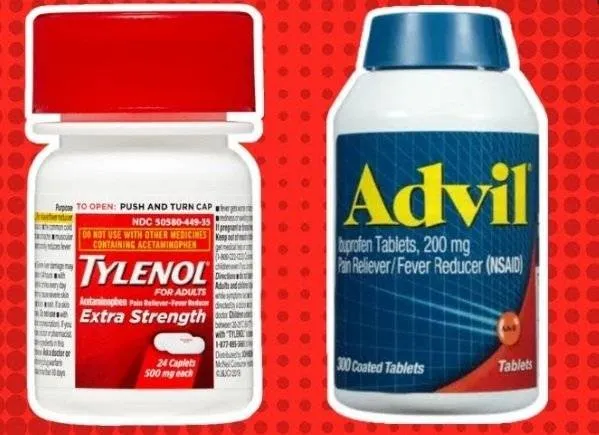
For most healthy adults, taking Acetaminophen (Tylenol) and Ibuprofen (Motrin/Advil) together is not only safe, but it is also one of the most effective strategies recommended by dentists to manage severe dental pain. Research suggests that this combination can be even more effective than some prescription opioids for dental relief.
Why This “Cocktail” Works Better Than One Drug Alone
The magic happens because these two medications attack the pain from different angles:
- Ibuprofen (NSAID): Works at the site of the tooth to reduce inflammation and swelling (which is usually the cause of the pressure).
- Acetaminophen (Tylenol): Works in the brain to block pain signals, changing how your body feels the pain.
By using them together, you get a “double-action” effect that provides stronger relief without exceeding the safe dose of either drug.
[Important] Tooth decay, bleeding gums, and persistent bad breath are often signs of deeper oral health issues. Ignoring these problems can lead to more serious dental complications over time. Supporting your teeth and gums with a proven dental formula may help reduce bacteria, improve gum health, and keep your mouth fresh and clean every day.
🚑 The Ultimate Toothache Survival Kit
Dentists recommend this trio for maximum relief at home:

How to Take Them Safely (The Schedule)
There are two common ways to take this combination. Choose the one that works best for you:
Option 1: The “Staggering” Method (Recommended)
This method keeps a steady level of pain relief in your system so the pain doesn’t “break through.” You take one medication, wait 3 hours, then take the other.
- 12:00 PM: Take Ibuprofen (e.g., at the dose printed on the package label).
- 3:00 PM: Take Acetaminophen (e.g., at the dose printed on the package label).
- 6:00 PM: Take Ibuprofen again.
- 9:00 PM: Take Acetaminophen again.
Option 2: The “Knockout” Method
If the pain is unbearable, you can take both pills at the exact same time. This hits the pain hard instantly.
- Take at the dose printed on the package label – Acetaminophen at the dose printed on the package label (Tylenol)
- AND at the dose printed on the package label – Ibuprofen at the dose printed on the package label (Motrin)
- Repeat every 6 to 8 hours as needed.
Safety Warnings & Maximum Dosages
Even though these are over-the-counter drugs, they can be dangerous if misused. Follow these strict limits:
- Acetaminophen Limit: Do NOT exceed 3,at the dose printed on the package label to 4,at the dose printed on the package label in 24 hours. High doses damage the liver.
- Ibuprofen Limit: Do NOT exceed 3,at the dose printed on the package label in 24 hours. High doses can damage the stomach and kidneys.
- Take with Food: Always take Ibuprofen with a meal or a glass of milk to prevent stomach upset.
🩹 Quick relief kit — Safe, effective relief options for managing your toothache pain at home are listed below.
-
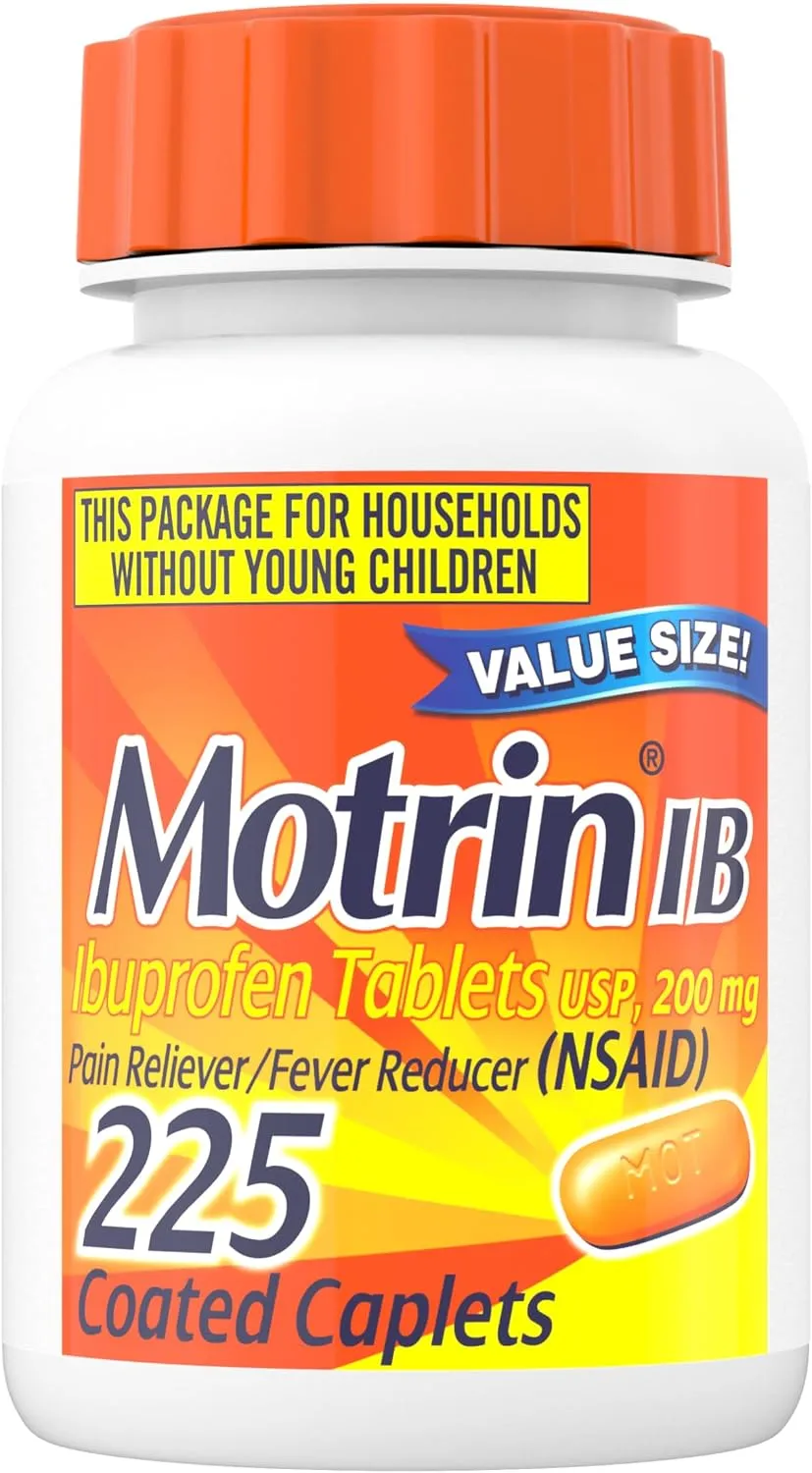
Advil Liqui-Gels Ibuprofen at the dose printed on the package labelReduces inflammation and swelling directly at the tooth.
-
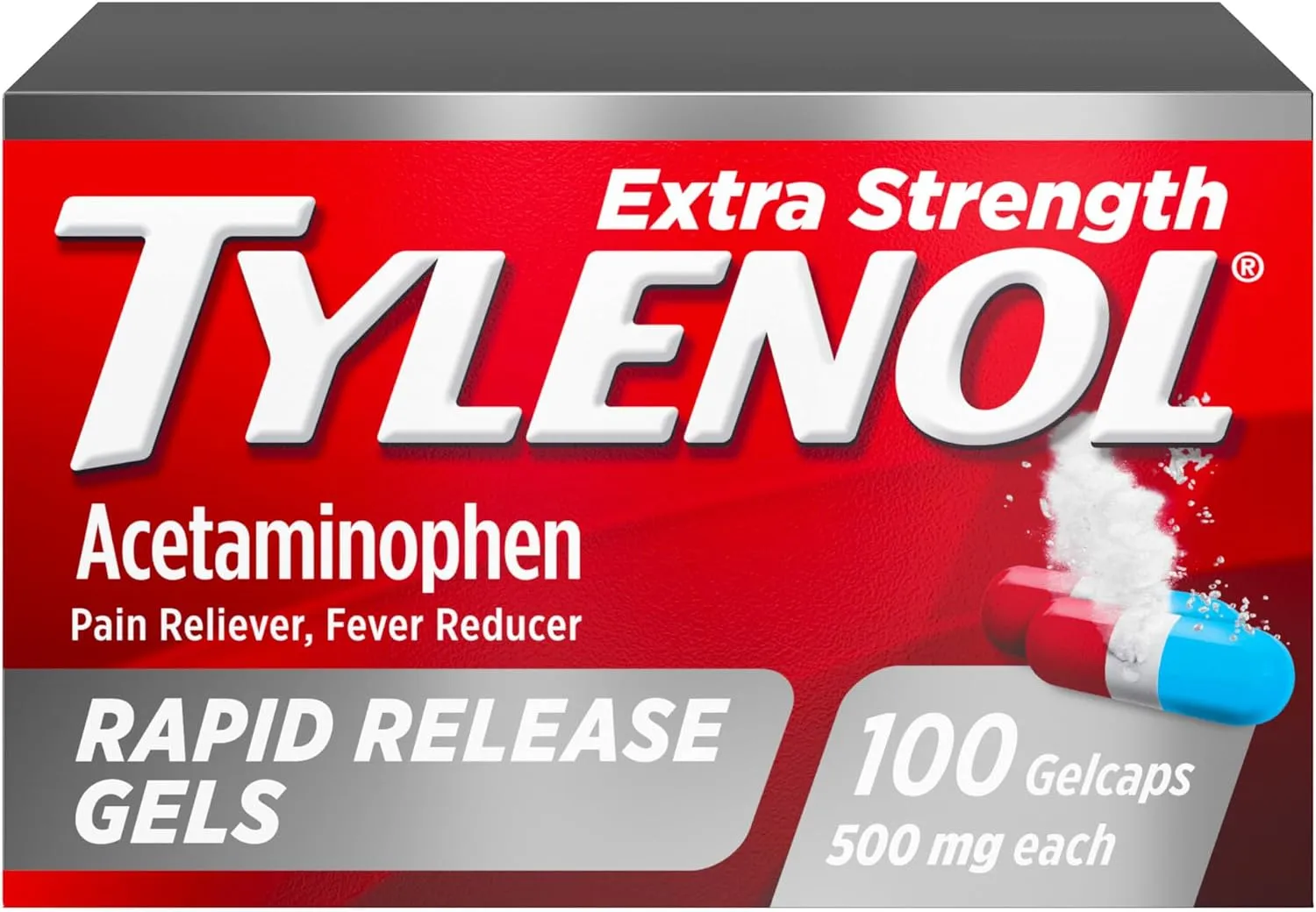
Tylenol Extra Strength Caplets at the dose printed on the package labelBlocks pain signals safely in the central nervous system.
-
Amazon Basic Care Ibuprofen and Acetaminophen TabletsAlternating doses provides powerful combined dental pain relief.
Affiliate links. Not medical advice — see a dentist for severe or worsening pain.
The “Plus One” Method: Add Cold Therapy
Medication alone might dull the pain, but adding physical therapy can make a huge difference. Applying ice to the outside of your cheek helps numb the area and reduce blood flow, which decreases throbbing.
We recommended the Hands-Free Jaw Ice Wrap above because it straps around your head, allowing you to rest or sleep without holding the ice pack constantly.
When to Stop and See a Dentist
Remember, painkillers do not cure the infection. They only hide the symptoms. If you have swelling in the face, fever, or pain that lasts more than 2 days, you must see a dentist immediately.
You likely need an antibiotic, a root canal, or an extraction. Using Tylenol and Ibuprofen is a temporary bridge to get you to your appointment comfortably, not a permanent solution.
Dangerous home “hacks” to avoid
- Aspirin on the gum or tooth. Aspirin is an acid; it chemically burns the gum and does nothing for the pain. Swallow pain relievers as the label directs, never place them.
- Undiluted clove oil on an open wound or socket. A trace on a tooth can numb briefly; neat clove oil on gum tissue or a fresh socket causes burns and delays healing.
- Rinsing with alcohol, whisky, or hydrogen peroxide. They dry and irritate tissue, disturb a healing clot, and interact with pain relievers. Warm salt water is enough.
- Popping or draining a swelling yourself. Pushing on an abscess can spread the infection. Cold outside the cheek, and a dentist today.
- Leftover or borrowed antibiotics. They mask symptoms for a few days, breed resistant bacteria, and the tooth still needs treatment.
- Heat on a swollen face. Heat increases blood flow and swelling around an infection; use cold until a dentist has seen it.
Instant PDF · $12
The Dental Recovery & Savings Bundle
A day-by-day recovery calendar (what’s normal, what to eat, when to call your dentist) plus 4 word-for-word scripts to lower your next dental bill. 30-day money-back promise.
Get the bundle →