Tooth Broken Off at Gum Line with No Pain: What You Need to Know in 2026
When a tooth breaks off at the gum line without causing pain, it’s easy to dismiss…
When a tooth breaks off at the gum line without causing pain, it’s easy to dismiss it as a minor issue. However, this seemingly painless problem can lead to serious complications if left untreated. Understanding why this happens and what steps to take can save you from future dental emergencies and preserve your oral health.
Even without immediate discomfort, a tooth broken at the gum line requires prompt attention from a qualified dentist. Let’s explore why this occurs, what risks it poses, and how modern dentistry in 2026 can help restore your smile safely and effectively.
Why Does a Tooth Break at the Gum Line Without Pain?
Several factors can cause a tooth to fracture at the gum line without triggering pain signals. The most common culprits include:
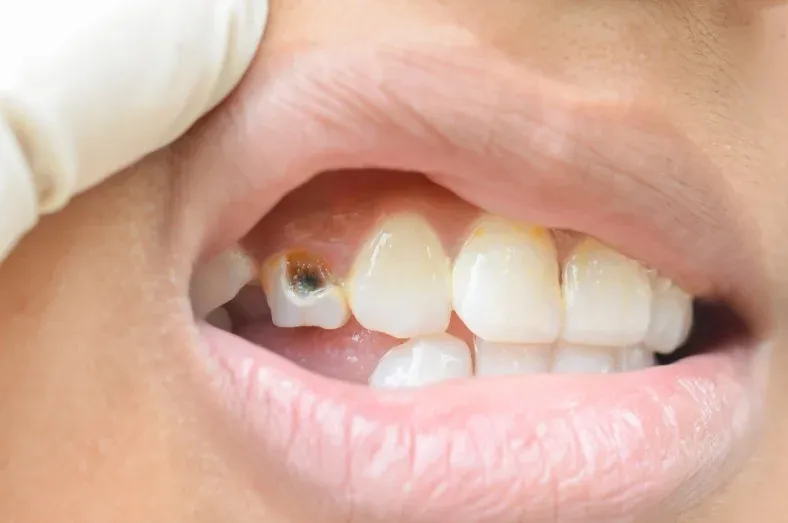
- Severe tooth decay: When decay progresses at the gum line, it weakens the tooth structure until it simply snaps off
- Trauma or injury: A blow to the mouth can cause a clean break that doesn’t immediately affect the nerve
- Old dental work: Teeth with large fillings or previous root canals may become brittle over time
- Teeth grinding (bruxism): Chronic grinding wears down enamel and can cause fractures
- Natural wear and tear: As we age, teeth naturally become more susceptible to breaking
The absence of pain often occurs because the nerve inside the tooth is either already dead (from previous decay or a root canal) or the break hasn’t exposed the nerve tissue. However, this doesn’t mean the situation is harmless—quite the opposite.

Why it helps: Provides emergency temporary coverage for broken teeth until you can see a dentist, preventing sharp edges from cutting your tongue or cheek.
The Hidden Dangers of Ignoring a Broken Tooth
Just because you’re not experiencing pain doesn’t mean you should delay treatment. A tooth broken at the gum line creates several serious risks:
Infection and Abscess Formation
Bacteria can easily enter the exposed tooth structure and travel down to the root, causing infection. This can develop into a painful abscess that may require emergency treatment. If you notice swelling or begin experiencing discomfort, you might be dealing with an abscessed tooth that needs immediate attention.
Damage to Surrounding Teeth
The sharp edges of a broken tooth can damage adjacent teeth, your tongue, or the inside of your cheek. Additionally, the gap left by the broken tooth can cause neighboring teeth to shift, affecting your bite alignment.
Bone Loss
When a tooth root remains in the jawbone without proper treatment, it can lead to bone deterioration over time. This makes future dental restoration more complicated and expensive.
Gum Disease
The irregular surface and gaps created by a broken tooth become breeding grounds for bacteria, significantly increasing your risk of gum disease and further tooth loss.
Can a Dentist Pull a Tooth Broken Off at the Gum Line?
Yes, dentists routinely extract teeth that have broken at the gum line, though the procedure is more complex than a standard extraction. In 2026, dental technology has made these procedures more precise and comfortable than ever before.
Your dentist will first take digital X-rays or use 3D imaging to assess the tooth’s root structure and determine the best extraction approach. The procedure typically involves:
- Administering local anesthesia to numb the area completely
- Making a small incision in the gum tissue if necessary to access the remaining tooth structure
- Using specialized instruments like elevators and forceps to carefully remove the tooth fragments
- In some cases, sectioning the tooth into smaller pieces for easier removal
- Cleaning the socket thoroughly to prevent infection
- Placing sutures if needed to promote proper healing
For particularly complex cases—such as when the tooth root remains deeply embedded in the gum—your dentist may refer you to an oral surgeon who specializes in surgical extractions.
Why it helps: Reduces swelling and numbs pain after dental procedures or while waiting for your dentist appointment.
Treatment Options Beyond Extraction
Extraction isn’t always the only solution. Depending on how much tooth structure remains and the condition of the root, your dentist may recommend alternatives:
Root Canal and Crown
If sufficient tooth structure remains above the gum line and the root is healthy, your dentist may perform a root canal followed by placing a crown. This preserves your natural tooth and maintains proper jaw alignment.
Post and Core Buildup
When very little tooth structure remains, a dentist can place a post into the root canal space to provide support for a core buildup and crown. This technique can save teeth that might otherwise require extraction.
Surgical Crown Lengthening
In some cases, a periodontist can perform crown lengthening surgery to expose more of the tooth structure, making it possible to place a crown successfully.
Dental Implant
If the tooth cannot be saved, a dental implant offers the most durable and natural-looking replacement option. Modern implants in 2026 have success rates exceeding 95% and can last a lifetime with proper care.
Why You Should Never Try to Remove a Broken Tooth at Home
With the abundance of DIY dental advice online, some people consider attempting to remove a broken tooth themselves. This is extremely dangerous and should never be attempted. Here’s why:
- Severe infection risk: Without proper sterilization and technique, you can introduce harmful bacteria deep into your jawbone
- Nerve damage: Improper extraction can damage nerves, causing permanent numbness or chronic pain
- Excessive bleeding: Without proper training, you may be unable to control bleeding, especially if you’re on blood thinners
- Incomplete removal: Leaving tooth fragments behind can cause serious complications requiring emergency surgery
- Damage to adjacent teeth: Using improper tools can crack or break neighboring healthy teeth
Professional dentists have years of training, specialized instruments, and sterile environments necessary for safe tooth removal. The cost and discomfort of treating complications from a DIY extraction far exceed the cost of professional care.
What to Do While Waiting for Your Dental Appointment
If you’ve broken a tooth at the gum line, schedule a dental appointment immediately. While waiting to see your dentist, follow these steps:
- Rinse your mouth gently with warm salt water to keep the area clean
- Avoid chewing on the affected side
- Take over-the-counter pain relievers if discomfort develops (but avoid aspirin, which can increase bleeding)
- Apply a cold compress to the outside of your cheek if swelling occurs
- Eat soft foods and avoid extremely hot or cold temperatures
- Use dental wax or temporary filling material from a pharmacy to cover sharp edges
- Maintain your regular oral hygiene routine, being gentle around the broken tooth
If you develop severe pain, swelling, fever, or difficulty swallowing, seek emergency dental care immediately as these may indicate a serious infection.
Why it helps: Provides fast-acting numbing relief for broken tooth pain and protects exposed areas from sensitivity.
Recovery and Aftercare Following Tooth Extraction
If your dentist determines that extraction is necessary, proper aftercare is crucial for healing. Understanding what to expect during the healing process can help you recover smoothly.
Your dentist will provide specific instructions, but general aftercare typically includes:
- Bite on gauze for 30-45 minutes to allow a blood clot to form
- Avoid rinsing, spitting, or using straws for the first 24 hours
- Apply ice packs to reduce swelling during the first 24-48 hours
- Take prescribed medications as directed
- Eat soft, cool foods for the first few days
- Sleep with your head elevated
- Avoid smoking, which significantly delays healing
- Gently rinse with salt water starting 24 hours after extraction
Most patients experience the worst discomfort within the first 24-72 hours, with significant improvement by day five. If you’re still experiencing severe pain beyond this timeframe, contact your dentist as you may have developed dry socket or another complication.
Preventing Future Tooth Fractures
Once you’ve dealt with a broken tooth, take steps to prevent future fractures:
- Maintain excellent oral hygiene with twice-daily brushing and daily flossing
- Visit your dentist for regular checkups and cleanings every six months
- Address tooth decay promptly before it weakens tooth structure
- Wear a custom night guard if you grind your teeth
- Use a mouthguard during contact sports
- Avoid chewing ice, hard candies, and other extremely hard foods
- Don’t use your teeth as tools to open packages
- Maintain a balanced diet rich in calcium and vitamin D for strong teeth
- Limit acidic foods and beverages that erode enamel
The Bottom Line
A tooth broken off at the gum line with no pain may seem like a minor issue, but it requires prompt professional attention. The absence of pain doesn’t indicate the absence of danger—infection, bone loss, and damage to surrounding teeth can all develop silently.
Modern dentistry in 2026 offers numerous options for treating broken teeth, from conservative approaches like crowns to advanced solutions like dental implants. The key is seeking care quickly, before complications develop that limit your treatment options and increase costs.
Never attempt to remove a broken tooth at home, and don’t delay scheduling a dental appointment because you’re not experiencing pain. Your dentist has the expertise, technology, and tools necessary to safely address the problem and restore your oral health.
Remember, preserving your natural teeth whenever possible should always be the goal. With timely intervention and proper care, many broken teeth can be saved, allowing you to maintain a healthy, functional smile for years to come.