
Should I Get My Wisdom Teeth Removed? 2026 Expert Guide
Wondering if you should get your wisdom teeth removed? Explore benefits, risks, eruption signs, pain cycles, and 2026 expert dental guidelines.
Disclosure: this article contains affiliate links. As an Amazon Associate, Go Fix Teeth earns from qualifying purchases at no extra cost to you. Prices and availability are those shown on Amazon at the time you visit.
Wisdom teeth continue to be a common source of concern for many people in 2026. These third molars typically emerge during your late teens or early twenties, and when there isn’t enough space for them to grow properly, they can lead to a cascade of dental complications that affect your overall oral health.
Understanding what happens if you don’t get your wisdom teeth removed is crucial for making informed decisions about your dental care. While not everyone needs their wisdom teeth extracted, leaving problematic ones in place can result in overcrowding, tooth decay, gum disease, cyst formation, persistent pain, and inflammation that may worsen over time.
This comprehensive guide will help you understand the potential consequences, benefits, and risks associated with keeping or removing your wisdom teeth, so you can work with your dental professional to determine the best path forward for your unique situation.

Why it helps: Reaches difficult areas around wisdom teeth where traditional floss can’t, reducing infection risk and maintaining gum health.
📩 Important: after you sign up, open the email from Go Fix Teeth and tap Confirm. Your PDF opens right away. Not there? Check Spam or Promotions.
Make the next few days easier
Having these basics ready at home makes the first few days more comfortable:
Ice pack head wrap
Hands-free cold therapy for the first 48 hours to limit swelling.
Check price on AmazonSterile 4×4 gauze pads
Bite down gently to control oozing on day 1. Keep extra at home.
Check price on Amazon📘 Want the full plan? Our Dental Recovery & Savings Bundle covers day-by-day care, pain relief and how to save on dental bills.
As an Amazon Associate we earn from qualifying purchases, at no extra cost to you. Always follow your dentist's instructions.
What Happens If You Don’t Get Your Wisdom Teeth Removed?
Wisdom teeth, also known as third molars, typically emerge between ages 17 and 25. Because the modern human jaw has evolved to be smaller than our ancestors’, there’s often insufficient room for these teeth to erupt properly.
When wisdom teeth don’t have adequate space, they can become impacted—meaning they’re trapped beneath the gum line or growing at awkward angles according to guidelines from the American Dental Association (ADA).
If your wisdom teeth aren’t causing problems and have enough room to grow in properly, removal may not be necessary. However, many people experience complications that make extraction the safer choice. Here’s what can happen if problematic wisdom teeth are left in place:
Crowding and Misalignment
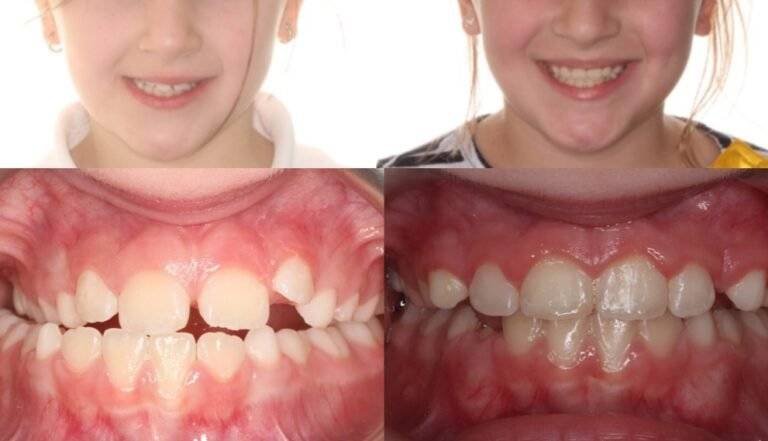
When wisdom teeth push through without adequate space, they can force neighboring teeth to shift position. This crowding can undo years of orthodontic work and create bite problems that affect how your upper and lower teeth come together. The pressure from erupting wisdom teeth can cause previously straight teeth to become crooked or overlapped.
Increased Risk of Decay and Gum Disease
The location of wisdom teeth at the very back of your mouth makes them notoriously difficult to clean properly, even with excellent oral hygiene habits. This hard-to-reach positioning increases susceptibility to cavities and periodontal disease, which can then spread to adjacent teeth and create more extensive dental problems.
If you’re already experiencing tooth decay at the gum line, wisdom teeth can exacerbate the issue.
Cyst and Tumor Formation
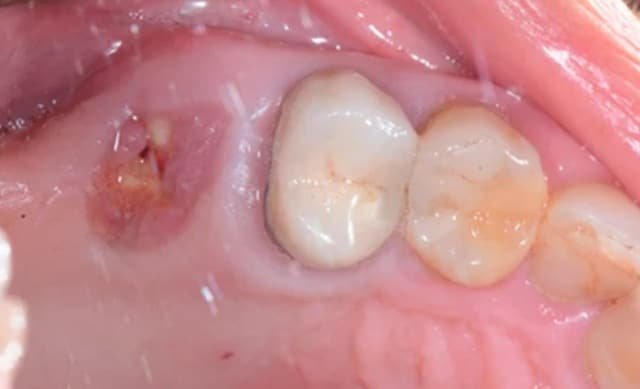
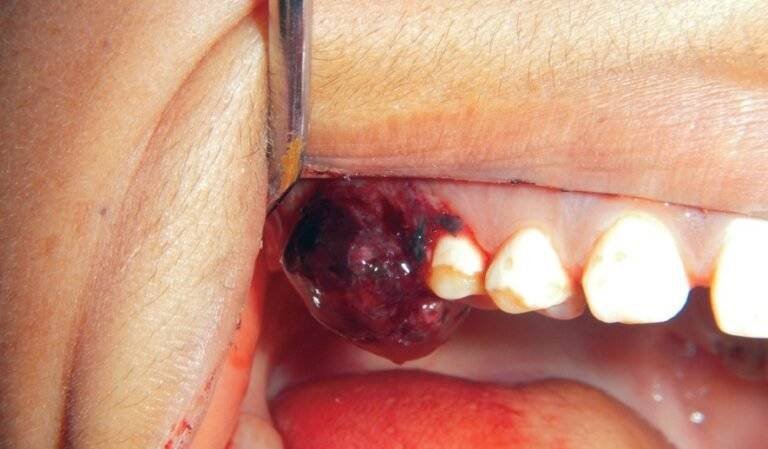
One of the more serious complications involves cyst development around impacted wisdom teeth. These fluid-filled sacs can gradually damage the surrounding jawbone, nerves, and neighboring teeth. In rare cases, tumors can develop, requiring more extensive surgical intervention than a simple extraction would have required.
Pericoronitis and Infection
Partially erupted wisdom teeth create a flap of gum tissue that acts as a trap for food particles and bacteria. This condition, called pericoronitis, leads to painful infections, swelling, difficulty opening your mouth, and even fever. If you’re dealing with a swollen gum behind your back tooth, this could be the culprit.
Chronic Pain and Discomfort
Many people with problematic wisdom teeth experience recurring pain, jaw stiffness, headaches, and swelling that comes and goes. This is why wisdom tooth pain often comes and goes—the inflammation flares up when bacteria accumulate, then temporarily subsides before returning again.
It’s important to understand that not all wisdom teeth cause problems, and extraction isn’t always necessary. A thorough examination by your dentist, including X-rays, can determine whether your wisdom teeth are positioned properly or likely to cause future complications.
Can You Die From Not Getting Your Wisdom Teeth Out?
While death from untreated wisdom teeth is extremely rare, it’s not impossible. The real danger comes from severe infections that spread beyond the tooth and surrounding tissues. An untreated dental infection can potentially lead to:
- Ludwig’s angina: A serious bacterial infection of the floor of the mouth that can block airways
- Sepsis: A life-threatening systemic infection when bacteria enter the bloodstream
- Brain abscess: In extremely rare cases, infection can spread to the brain
- Mediastinitis: Infection spreading to the chest cavity
These complications are uncommon in developed countries with accessible dental care, but they underscore the importance of addressing infected wisdom teeth promptly. If you’re wondering how long until a tooth infection becomes life-threatening, the answer depends on many factors, but you should never wait to find out.
The primary reason research supports wisdom teeth removal is to prevent pain and associated complications such as overcrowding, decay, and gum disease—not because of immediate life-threatening concerns. However, if you’re experiencing pain, swelling, fever, or difficulty swallowing related to your wisdom teeth, seek dental care immediately rather than waiting for symptoms to worsen.

Why it helps: Provides fast-acting numbing relief for wisdom tooth pain while you wait for your dental appointment.
First Signs Your Wisdom Teeth Are Erupting
Knowing whether your third molars are coming in normally or encountering obstacles can save you weeks of discomfort. The initial indicator usually begins as a mild discomfort or dull ache at the back of the jaw, behind your second molars. Clinical guidelines from the Mayo Clinic highlight these primary warning signs:
- Pain or pressure in the back jaw: Throbbing discomfort that often worsens in the evening or while chewing.
- Tender, inflamed, or bleeding gums: Redness and sensitivity near the back molars during brushing or flossing.
- A small gum bump or flap (operculum): A raised piece of tissue over the erupting crown that easily traps food debris.
- Bite changes: Discomfort or shifting when bringing your upper and lower teeth together.
- Difficulty opening your mouth (trismus): Muscle tightness in the jaw that makes opening wide uncomfortable.
Normal Eruption vs. Impacted Wisdom Teeth
| Feature | Normal Eruption | Impacted / Problematic |
|---|---|---|
| Alignment | Erupts straight, parallel to other molars | Angled toward cheek, tongue, or neighboring root |
| Discomfort Level | Mild pressure, subsides as tooth breaks through | Severe, throbbing pain or cyclical flare-ups |
| Gum Health | Slight pink swelling that resolves naturally | Persistent redness, bleeding, pus, or bad odor |
Why Does Wisdom Tooth Pain Come and Go?
Intermittent wisdom tooth pain is one of the most confusing symptoms patients experience. Discomfort may rage for three days, vanish for two weeks, and return without warning. This cyclic pain occurs due to several dynamic biological factors:
- Eruption bursts and tooth movement: Wisdom teeth move in active spurts rather than a continuous slow drift. When pushing against bone or neighboring roots, pressure spikes. When movement pauses, relief follows.
- Inflammation cycles (Pericoronitis): The tissue flap over a partially erupted tooth repeatedly gets irritated by food debris. Your immune system mounts an inflammatory response to fight bacteria, causing painful swelling. As the body clears the immediate surge, pain fades until food gets trapped again.
- Intermittent nerve pressure: Jaw movements, night grinding, and temporary soft-tissue swelling alter how much physical force is placed directly on local sensory nerve branches.
- Localized decay at the gum line: Hidden cavities on third molars cause sharp intermittent sensitivity when exposed to hot, cold, or sugary foods.
Timeline of Wisdom Tooth Pain
- Short-Term Pain (A few days): Typical eruptive pressure as the crown cuts through the gum margin. Responds well to warm salt water rinses and temporary OTC pain relief.
- Medium-Term Pain (2–4 weeks): Indicates partial impaction, active crowding, or moderate gum inflammation that requires professional dental evaluation.
- Long-Term / Cyclical Pain (Months): Signals severe impaction, recurrent pericoronitis, deep decay, or nerve compression. Extraction is usually the definitive solution.
Benefits of Keeping Wisdom Teeth
Despite the common narrative that wisdom teeth should always be removed, there are legitimate reasons why some people should keep theirs. The decision should be individualized based on your specific dental anatomy and circumstances.
When Keeping Wisdom Teeth Makes Sense
You may benefit from retaining your wisdom teeth if:
- They’re fully erupted and functional: If your wisdom teeth have grown in completely straight and you can clean them effectively, they can function just like any other molar
- You have adequate jaw space: Some people have larger jaws with sufficient room for all 32 teeth without crowding
- They’re properly aligned: When wisdom teeth align correctly with opposing teeth, they contribute to chewing function
- No symptoms are present: Asymptomatic wisdom teeth that aren’t causing decay, gum disease, or damage to adjacent teeth may be safely monitored
- Medical conditions make surgery risky: Certain health conditions, bleeding disorders, or medications may make extraction more dangerous than retention
- They may be useful later: In rare cases, wisdom teeth can serve as anchor points for dental bridges if other molars are lost
- Enhanced Chewing Surface: Fully erupted third molars increase total biting area, aiding efficient food breakdown and digestion.
- Preservation of Jaw Structure: Retaining healthy natural teeth maintains bone density in the posterior jaw angle and avoids prosthetic replacements.
The Risks Often Outweigh the Benefits
However, for most people, the potential complications of keeping problematic wisdom teeth outweigh any benefits. Even wisdom teeth that aren’t currently causing symptoms can develop problems later in life. Studies show that the majority of people who retain their wisdom teeth will eventually experience complications requiring extraction.
The difficulty in properly cleaning wisdom teeth makes them significantly more susceptible to decay and gum disease compared to other teeth. They can also cause progressive crowding that worsens over time, undoing previous orthodontic treatment or creating new alignment issues.
Your dentist can perform a comprehensive evaluation, including panoramic X-rays, to assess the position, angulation, and development of your wisdom teeth. This information, combined with your medical history and individual risk factors, will guide the decision about whether extraction or monitoring is the best approach for you.
To understand more about the benefits of keeping wisdom teeth, discuss your specific situation with your dental professional.
Common Myths About Wisdom Teeth Debunked
Misinformation often drives unnecessary anxiety or premature surgical decisions. According to clinical consensus summaries from the UK NHS, let’s clear up four frequent misconceptions:
- Myth 1: Wisdom teeth are unique to humans. Many primates and land mammals develop third molars to grind tough vegetation, though human jaw size reductions have made impaction far more common in our species.
- Myth 2: Wisdom teeth always cause problems. Millions of adults keep fully functional, disease-free wisdom teeth their entire lives without experiencing crowding or infection.
- Myth 3: Wisdom teeth are completely useless vestigial organs. When properly positioned, third molars actively aid in mastication and help distribute bite forces across the posterior jaw.
- Myth 4: Everyone must get their wisdom teeth removed preventive-style. Modern evidence-based dentistry recommends personalized monitoring rather than automatic prophylactic extraction for asymptomatic teeth.
Wisdom Teeth Removal After 30
A common misconception is that wisdom teeth removal should only happen in your late teens or early twenties. The truth is that wisdom teeth can be safely removed at any age, including after 30, 40, or even later in life. However, the procedure does become more complex as you age.
Why Age Matters
Several factors make wisdom teeth extraction more challenging in older adults:
- Bone density: As you age, your jawbone becomes denser and less flexible, making tooth removal more difficult
- Root development: Wisdom teeth roots continue to grow and can become longer, curved, or wrapped around nerves
- Healing time: Recovery generally takes longer in older adults due to slower tissue regeneration
- Complication risk: The risk of nerve damage, dry socket, and infection increases with age
- Bone fusion: Teeth can become more firmly fused to the jawbone over time
Common Reasons for Late Extraction
Many people need wisdom teeth removed after 30 because:
- Previously asymptomatic teeth begin causing problems
- Decay or gum disease develops around the wisdom teeth
- Cysts form around impacted teeth
- Orthodontic treatment is planned and requires space
- Recurring infections (pericoronitis) become problematic
If you’re over 30 and experiencing issues with your wisdom teeth—such as pain, swelling, infection, or decay—don’t assume you’ve “missed the window” for extraction. Consult with an oral surgeon or dentist who can evaluate your specific situation and discuss the procedure’s risks and benefits.
The recovery process after 30 may require more time and careful attention. Proper preparation for wisdom teeth removal becomes even more important, including arranging adequate time off work and ensuring you have help during the initial recovery period.
Why Experts Now Say Not to Remove Your Wisdom Teeth
Recent years have seen some dental professionals questioning the routine prophylactic removal of wisdom teeth, particularly when they’re not causing symptoms. This shift in perspective is based on several considerations:
The Evidence-Based Approach
Some dental experts now advocate for a more conservative, wait-and-see approach based on research archived by the National Institute of Dental and Craniofacial Research (NIDCR):
- Unnecessary surgery risks: Any surgical procedure carries risks of complications, including infection, nerve damage, and adverse reactions to anesthesia
- Not all wisdom teeth cause problems: Studies suggest that only about 12% of asymptomatic impacted wisdom teeth will develop complications requiring removal
- Monitoring is effective: Regular dental X-rays and examinations can detect problems early, before they become serious
- Individual variation: Some people have adequate jaw space and maintain good oral hygiene around their wisdom teeth
The Ongoing Debate
It’s important to clarify that not all experts agree on this conservative approach. The dental community remains divided, with many professionals still recommending early removal based on:
- The high likelihood that impacted wisdom teeth will eventually cause problems
- Easier extraction and faster recovery in younger patients
- Prevention of future complications when removal would be more difficult
- The difficulty of maintaining proper hygiene around partially erupted wisdom teeth
Making an Informed Decision
The key takeaway is that wisdom teeth removal should be decided on a case-by-case basis, not as a routine procedure for everyone. Factors to consider include:
- The position and angulation of your wisdom teeth
- Whether they’re impacted or fully erupted
- Your ability to clean them effectively
- The presence of symptoms or pathology
- Your age and overall health
- Your risk tolerance for potential future complications
A thorough examination by your dentist, including panoramic X-rays, can reveal the position and development of your wisdom teeth. Based on this assessment and your individual circumstances, your dental professional can recommend whether extraction, monitoring, or retention is the most appropriate course of action.
The decision should involve a comprehensive evaluation and careful consideration of all relevant factors, including your personal preferences and concerns. Don’t hesitate to seek a second opinion if you’re uncertain about the recommended treatment plan.

Why it helps: Reduces swelling and provides comfortable cold therapy specifically designed for jaw and facial areas after extraction.
Signs You Should Have Your Wisdom Teeth Evaluated
Whether you’re 18 or 48, certain symptoms indicate it’s time to have your wisdom teeth professionally assessed:
- Pain or tenderness in the back of your mouth
- Swelling around the jaw or gums
- Difficulty opening your mouth fully
- Bad breath or unpleasant taste that doesn’t improve with brushing
- Bleeding or tender gums in the wisdom tooth area
- Jaw stiffness or pain when chewing
- Recurring infections in the gum tissue around wisdom teeth
- Visible decay on partially erupted wisdom teeth
🚨 Immediate Dental Red Flags: Contact a dentist right away if you experience pus draining from the back gums, severe throbbing that wakes you up at night, swelling extending into the cheek or submandibular space, or a fever above 100.4°F (38°C).
Even if you’re not experiencing symptoms, regular dental check-ups with X-rays allow your dentist to monitor wisdom teeth development and identify potential problems before they cause pain or complications.
Dangerous home “hacks” to avoid
- Aspirin on the gum or tooth. Aspirin is an acid; it chemically burns the gum and does nothing for the pain. Swallow pain relievers as the label directs, never place them.
- Undiluted clove oil on an open wound or socket. A trace on a tooth can numb briefly; neat clove oil on gum tissue or a fresh socket causes burns and delays healing.
- Rinsing with alcohol, whisky, or hydrogen peroxide. They dry and irritate tissue, disturb a healing clot, and interact with pain relievers. Warm salt water is enough.
- Popping or draining a swelling yourself. Pushing on an abscess can spread the infection. Cold outside the cheek, and a dentist today.
- Leftover or borrowed antibiotics. They mask symptoms for a few days, breed resistant bacteria, and the tooth still needs treatment.
- Heat on a swollen face. Heat increases blood flow and swelling around an infection; use cold until a dentist has seen it.
Frequently Asked Questions
1. Should I get my wisdom teeth removed if they don’t hurt?
Not necessarily. If your wisdom teeth are completely erupted, straight, disease-free, and easy to clean, your dentist may recommend monitoring them with routine X-rays rather than extracting them.
2. Can impacted wisdom teeth cause headaches and jaw tightness?
Yes. The force exerted by an impacted tooth attempting to erupt against solid jawbone or adjacent molars can trigger muscle spasms, jaw stiffness, and referred headaches.
3. What is the safest age to remove wisdom teeth?
Late adolescence to early twenties (ages 17–24) is clinically ideal because root tips are not fully formed and surrounding jawbone tissue is less dense, leading to faster healing and fewer complications.
Final Thoughts: What’s Right for You?
The question of whether to remove wisdom teeth doesn’t have a one-size-fits-all answer in 2026. While some people will benefit from early extraction, others can safely retain their wisdom teeth with proper monitoring and oral hygiene.
What happens if you don’t get your wisdom teeth removed depends entirely on your individual dental anatomy, the position of your teeth, and your ability to maintain them properly. The potential consequences range from nothing at all to serious complications including infection, decay, crowding, and cyst formation.
The most important step is to have a thorough evaluation by a qualified dental professional who can assess your specific situation with clinical examination and imaging. Together, you can make an informed decision based on evidence, your personal circumstances, and your preferences regarding preventive versus reactive treatment.
Don’t ignore symptoms or put off evaluation because of fear or uncertainty. Modern dentistry offers numerous options for pain management and sedation that make wisdom teeth procedures much more comfortable than in the past.
Whether you ultimately decide on extraction or monitoring, staying proactive about your oral health will help you avoid the most serious complications and maintain a healthy smile for years to come.
Related resources
- Oral-B Water Flosser on Amazon
- Orajel Maximum Strength Toothache Gel on Amazon
- Ice Pack Wisdom Teeth Recovery on Amazon