How Much Does Invisalign Cost in 2026? Honest Breakdown
Wondering how much does Invisalign cost? Discover average prices in 2026, insurance coverage realities, monthly payment options, and hidden fees.
Disclosure: This post contains affiliate links. If you buy through them, we may earn a small commission at no extra cost to you.
How much does Invisalign cost? In 2026, the average national price for clear aligners ranges between $3,500 and $8,500, with most comprehensive cases landing around $5,000 before insurance or payment options are applied.
When you want to straighten your teeth and protect your health without metal braces, knowing the real cost is vital. I still remember sitting in my car after my first visit, staring at a huge number.
I wanted a straight smile, but my main thought was: “Is fixing my teeth going to drain my savings?”
If you are researching Invisalign right now, I know how you feel. You search for the cost on Google, and you get vague answers like “it depends.”
That does not help you plan a monthly budget.
So, I am sharing the facts today. I will give you a real look at what clear aligners cost in 2026, how dental insurance works, and my actual monthly payments.
Key Takeaways:
- Average comprehensive Invisalign treatment costs between $3,500 and $8,500.
- Dental insurance coverage often includes a lifetime orthodontic maximum between $1,500 and $2,500.
- Financing options like 0% APR monthly payment plans make treatment accessible for around $140–$150 per month.
- Always check whether post-treatment retainers are included in your initial treatment plan.
📩 Important: after you sign up, open the email from Go Fix Teeth and tap Confirm. Your PDF opens right away. Not there? Check Spam or Promotions.
The Real Numbers: How Much Does Invisalign Cost
Let us get right to the facts. In 2026, the national average cost for a full Invisalign treatment ranges from $3,500 to $8,500. My personal quote was $5,400.
Why is there such a big price gap? My orthodontist explained that your price depends on three main things:
- Case Complexity: This is the biggest factor. If you only need a minor tweak for a tiny gap, you might use Invisalign Express for under $3,000. If you have severe crowding or bite issues like I did, you need the “Comprehensive” plan with many trays over a year or more.
- Your Zip Code: A fancy clinic in downtown Los Angeles or London costs more for the same plastic trays than a family clinic in a suburb. Rent matters!
- The “Hidden” Retainer Fee: Here is a surprise. After your teeth are straight, you MUST wear retainers at night forever, or your teeth will shift back. Vivera retainers can cost $400-$600. Always ask if your price includes them!
Comparing Clear Aligners vs Traditional Braces
Many patients compare clear aligners to traditional metal braces or ceramic braces. Traditional braces are sometimes a bit cheaper for complex bite fixes—ranging from $3,000 to $7,000—but many adults prefer clear aligners because they look better.
A qualified orthodontist or dentist can check your teeth to see if clear aligners or braces are best for your smile goals.
Insurance Cover Invisalign and Out-of-Pocket Costs
When I saw that $5,400 price tag, my heart sank. Then the billing person asked, “Do you have dental insurance?”
Here is the truth about insurance today. Many plans cover Invisalign and adult orthodontics, but they do not just pay 80% like they do for a cavity. They put it under adult orthodontics.
If your plan includes this, it usually has an Orthodontic Lifetime Maximum. This is a strict limit on what they will pay for braces or aligners in your life. In 2026, most good plans cap this at $1,500 to $2,500.
Here is how my math worked out:
- Total Clinic Cost: $5,400
- My Insurance Covered: -$1,500
- My Out-of-Pocket Balance: $3,900
Pro Tip: Check if your job offers a Flexible Spending Account (FSA) or Health Savings Account (HSA). I used pre-tax money from my HSA to pay my balance, which saved me hundreds of dollars in taxes.
For more details on managing dental expenses, you can explore our guide on how long do you have to wear braces.
Payment Options and Invisalign Alignment Pricing
Let us be honest. Almost nobody has $3,900 ready in their bank account to spend on a Tuesday.
The good news is you do not have to pay it all at once. Most orthodontists offer interest-free monthly payment plans. It is like paying off a phone or a small loan.
I chose a 24-month, 0% APR plan through my doctor’s office. They asked for a small down payment for lab fees to make the trays, and we split the rest.
My Monthly Breakdown:
- Remaining balance: $3,900
- Down payment: $500
- Left to finance: $3,400
- Divided by 24 months: $141 per month.
Suddenly, it felt easy. $141 a month was just skipping a few dinners out. If your clinic does not offer payment plans, look at medical lenders like CareCredit.
Invisalign Treatment Timeline and Aligners
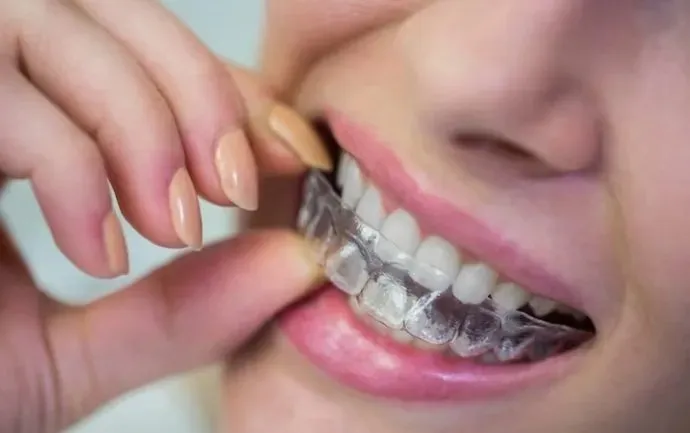
When I started, I thought my teeth would be straight in six months. The reality is that most adult Invisalign treatments take 12 to 18 months.
The process in 2026 is high-tech. Forget the gross putty impressions that used to make people gag. Here is what the timeline looks like:
- The 3D Scan: The doctor uses a digital wand, like an iTero 3D scanner, to take pictures of your teeth in minutes. You see a 3D view of your new smile on a screen.
- The Arrival: A few weeks later, your custom trays arrive. The doctor might glue tiny tooth-colored bumps to your teeth to help the trays grip and move them.
- The 22-Hour Rule: This is the hardest part. You must wear them for 20 to 22 hours every day. You only take them out to eat, drink anything besides water, and brush. If you skip this, your teeth will shift, and treatment will take longer.
Frequently Asked Questions
What is the cheapest I can get Invisalign?
The cheapest Invisalign treatments are minor touch-ups or Invisalign Express cases. These range from $1,800 to $3,000 based on your orthodontist and simple tooth movements.
Is $5,000 a lot for Invisalign?
No, $5,000 is close to the national average for standard comprehensive clear aligner treatment, which spans $3,500 to $8,500 based on complexity.
Are retainers included in my Invisalign cost?
Often, the first set of retainers like Vivera is included. Always check with your orthodontist before you sign your plan to avoid unexpected fees.
Are there payment plans available for Invisalign?
Yes, almost all orthodontists offer monthly payment options and in-house financing with 0% APR. This lets you split your out-of-pocket cost over 12 to 24 months.
The Dental Recovery & Savings Bundle includes 4 word-for-word scripts to ask for a cash discount or payment plan, a pre-treatment question checklist, and an 18-procedure US cost table. Instant PDF, $12, 30-day money-back promise.
Get the savings scripts →
Is the Cost Actually Worth It?
Writing that first check was scary. But as I sit here with a straight, confident smile, I know it was one of the best investments I ever made.
The cost of Invisalign is a big financial choice. But with insurance, HSA funds, and low monthly payments, it is more reachable than ever.
This article is for informational purposes only and is not a substitute for professional advice. Consult a qualified professional for personal recommendations.
Are you thinking about Invisalign this year? Did you get a quote that shocked you? Share your numbers or questions in the comments below!
🛒 Products that can help
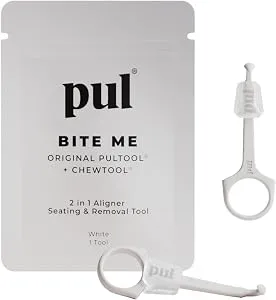
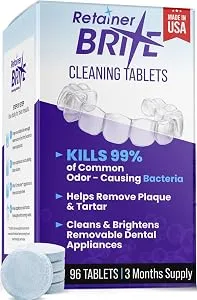
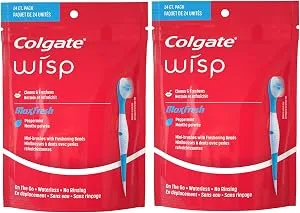
As an Amazon Associate we earn from qualifying purchases. Recommendations are based on published guidance and verified owner reviews, not sponsorship.
🧮 Free tool: Estimate the cost of this treatment in your state (with or without insurance).
🧮 Free tool: Insurance or a dental savings plan? Compare your real out-of-pocket cost in 60 seconds.