Saving a Knocked-Out Tooth: A 60-Minute Rescue Story
A real 60-minute rescue: how to handle a knocked-out tooth, what to carry it in, and why getting to a dentist within the hour decides whether it survives.
Disclosure: This post contains affiliate links. If you buy through them, we may earn a small commission at no extra cost to you.
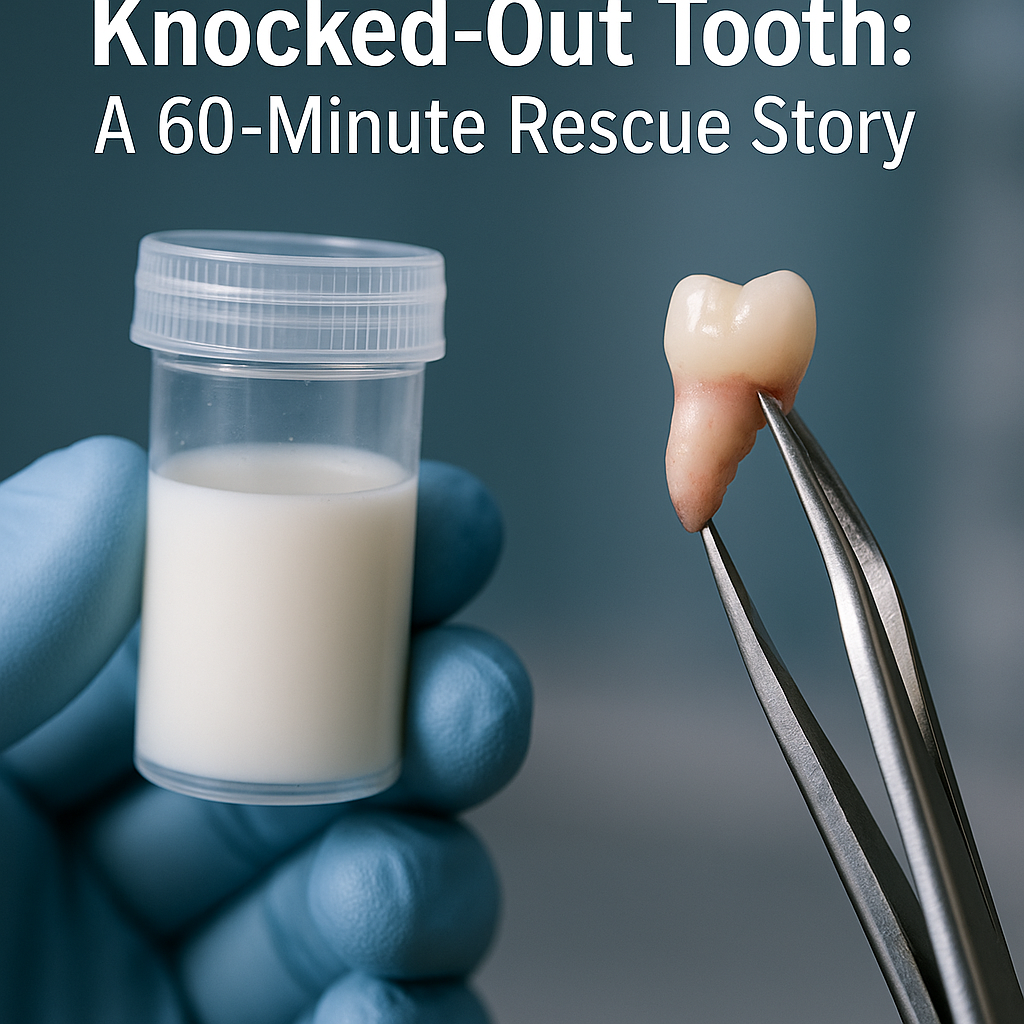
- The 60-Minute Golden Hour: To save a knocked-out permanent tooth, it must ideally be replanted or professionally treated within 30 to 60 minutes to keep the root cells alive.
- Immediate Handling: Pick up the tooth by the crown (top), never the root. Rinse briefly with water if dirty, but do not scrub or use chemicals, as this destroys vital attachment fibers.
- Proper Storage: If you cannot reinsert the tooth into the socket immediately, store it in cold milk or a balanced salt solution (like Save-A-Tooth). Avoid tap water, as it causes root cells to burst and die.
- Professional Care: See an emergency dentist immediately for flexible splinting and stabilization. Note: Never attempt to replant a child’s “baby” tooth, as this can damage the underlying adult tooth.
Table of Contents
- Saving a Knocked-Out Tooth: A 60-Minute Rescue Story
- Immediate Actions in the First 60 Seconds
- Optimal Storage Media and the Viability Window
- Why Tap Water Destroys the Tooth
- Reimplantation Attempt by the Patient
- Professional Assessment and Socket Preparation
- Use of Flexible Splints for Stabilization
- Timeline of Action: The 60-Minute Rescue
- Emergency Kit Checklist
- Handling the Knocked-Out Tooth Properly
- Timing and Importance of Professional Reimplantation
- Managing the Tooth Socket and Alveolar Bleeding
- Optimal Storage Media: Protecting the Tooth Root
- Professional Emergency Dental Care and Stabilization
- The Storage Dilemma: Why Tap Water Destroys Root Cells
- The 30 to 60 Minute Window: Professional Intervention
- Healing Stages and Long-Term Recovery
- Preventing Future Dental Trauma
- The 60 Minute Rule: A Timeline of Action
- Frequently Asked Questions and Clinical Guidance
📩 Important: after you sign up, open the email from Go Fix Teeth and tap Confirm. Your PDF opens right away. Not there? Check Spam or Promotions.
Saving a Knocked-Out Tooth: A 60-Minute Rescue Story
A knocked-out tooth, clinically known as a dental avulsion, represents one of the few true time-critical emergencies in dentistry. The biological clock begins ticking the moment the tooth leaves the socket, leaving a narrow window for intervention before the periodontal ligament fibers begin to necrotize.
Understanding the physiological requirements of these living tissues is the difference between a permanent gap and a successful replantation. By following established clinical protocols, you provide an emergency dentist with the best possible foundation to stabilize the tooth and restore your natural smile.
Immediate Actions in the First 60 Seconds
Once the initial shock of the injury passes, you must act within the first minute to maximize the chances of a full recovery. Locate the tooth immediately and handle it exclusively by the crown, the chewing surface, to avoid crushing the delicate cementum and microscopic fibers on the root.
If the tooth is visibly soiled, a brief three-second rinse under cool, running water is sufficient to remove debris. It is vital to resist the urge to scrub the root or use any disinfecting chemicals, as these actions will inadvertently strip away the living cells required for the tooth to reintegrate with the jawbone.
🩹 Quick relief kit — If you are managing a knocked-out tooth, follow these safe, immediate steps and recommended relief products below.
-
Save-A-Tooth Emergency Tooth Preserving SystemSafely preserves knocked-out tooth cells while traveling to the dentist.
-
Advil Liqui-Gels Pain Reliever Ibuprofen at the dose printed on the package labelHelps temporarily reduce painful oral inflammation and dental trauma discomfort.
-
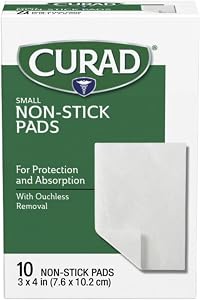
Medline Sterile 100% Cotton Gauze Pads 4×4Applies gentle pressure to control bleeding at the empty tooth socket.
Affiliate links. Not medical advice — see a dentist for severe or worsening pain.
Optimal Storage Media and the Viability Window
Building on these initial handling steps, the next priority is maintaining the hydration and pH balance of the root surface during transport. If the patient is conscious and calm, the safest “storage” is often gently placing the tooth back into its original socket.
If that isn’t possible, submerged storage in a specialized pH-balanced transport medium is the gold standard for preserving cellular metabolism. Keeping the tooth in a moist, nutrient-rich environment prevents the periodontal ligament from drying out, which is the primary cause of replantation failure.
This protective transport phase buys you the necessary time to reach a dental facility equipped for trauma splinting.
Why Tap Water Destroys the Tooth
While keeping the tooth wet is important, the specific chemistry of the liquid is what determines long-term success. Tap water is actually detrimental to this process because its low mineral content creates an imbalanced environment.
Through the process of osmosis, water molecules rush into the higher-salt concentration of the root cells, causing them to swell and eventually burst. This cellular “explosion” renders the tooth biologically dead even if it looks intact.
Using milk or a saline solution prevents this osmotic shock, acting as a physiological buffer that keeps the cells dormant but alive until a professional can perform the permanent reattachment.
Reimplantation Attempt by the Patient
To capitalize on the physiological buffer provided by milk or saline, the first line of defense is immediate reimplantation at the scene. For permanent adult teeth, gently guide the tooth back into its original socket, ensuring it faces the correct direction.
Once seated, bite down on a piece of clean gauze or a soft cloth to maintain steady pressure and stabilize the root. It is critical to distinguish between adult and primary teeth; never attempt to reinsert a child’s “baby” tooth.
Doing so risks pushing bacteria or the root fragment into the alveolar bone, which can permanently scar or deflect the developing adult tooth still beneath the surface.
Professional Assessment and Socket Preparation
While patient-led reimplantation is a vital stopgap, the clinical environment offers the precision necessary for long-term retention. Upon arrival at the clinic, the dental team will prioritize pain management with local anesthesia before meticulously debriding the area.
Rather than just pushing the tooth back in, the dentist uses a microsurgical approach to irrigate the socket, removing obstructive blood clots or debris that could prevent a flush fit.
They also perform a rapid radiographic scan to check for alveolar process fractures, cracks in the jawbone, that might complicate the healing of the periodontal ligament and lead to premature tooth loss.
Use of Flexible Splints for Stabilization
Once the tooth is anatomically aligned, the dentist must secure it without rendering it completely immobile. Unlike a rigid cast used for broken bones, dental stabilization requires a flexible splint, typically a thin orthodontic wire or nylon filament bonded to the neighboring healthy teeth with composite resin.
This “semi-rigid” approach is intentional; it allows for physiologic micro-movements during mastication, which stimulates the periodontal fibers to reattach naturally rather than fusing the root directly to the bone. During this critical fourteen-day window, patients should transition to a liquid or soft-food diet to avoid placing excessive mechanical stress on the healing ligaments.
Timeline of Action: The 60-Minute Rescue
The success of these clinical interventions hinges entirely on the “Golden Hour” of dental trauma. Statistics indicate that teeth replanted within 60 minutes have a significantly higher chance of functional survival compared to those delayed by even a few hours.
Beyond this window, the risk of inflammatory resorption, where the body essentially “eats” the tooth root, increases dramatically. Even with a successful initial splinting, the journey concludes with a mandatory endodontic consultation.
Because the blood supply to the internal pulp is severed during avulsion, a root canal is often necessary to remove necrotic tissue and prevent late-stage infections that could compromise the newly healed bone.
Emergency Kit Checklist
Beyond clinical intervention, readiness is the most effective tool for preserving a smile. Maintaining a dedicated dental emergency kit ensures that you aren’t scrambling for supplies when every second counts. This kit should include a small container with a tight-fitting lid, a balanced salt solution, and the emergency contact information for your Beverly Hills dentist.
For those active in high-impact activities at local parks or gyms, a custom-fitted mouthguard is the single most effective preventative measure, significantly reducing the force transferred to the maxillary bone during a collision.
Related Video
Traumatic dental injury: Splint placement – YouTube
This video series details procedures for the management of traumatic dental injuries following International Association for Dental Traumatology guidelines. It provides current clinical techniques for splinting injured teeth.
Handling the Knocked-Out Tooth Properly
Following the initial cleaning, the focus shifts to protecting the tooth’s internal vitality and the surrounding anatomy. While the priority for permanent teeth is immediate repositioning into the socket, a different rule applies to younger children.
Primary, or “baby,” teeth should never be reimplanted because doing so can cause severe infection or physical trauma to the developing adult tooth bud sitting directly beneath the gumline.
For adult teeth, if you cannot comfortably slide the tooth back into its original position, submerge it in a pH-balanced storage medium to keep the PDL cells nourished until you reach the dental office.
Timing and Importance of Professional Reimplantation
The success of these efforts is ultimately dictated by the clock, as every minute the tooth spends outside the body increases the likelihood of complications. Clinical data suggests that reimplantation within the first half-hour offers the most optimistic prognosis for long-term retention.
As the 60-minute mark approaches, the risk of inflammatory resorption, where the body treats the tooth as a foreign object and begins to dissolve the root, increases significantly.
Seeking an emergency evaluation allows a dentist to splint the tooth to its neighbors, providing the stability required for the ligament to heal and preventing the need for more invasive restorative work like implants.
Managing the Tooth Socket and Alveolar Bleeding
During the transit to the dentist, managing the injury site is as important as preserving the tooth itself. Control any alveolar bleeding by having the patient bite down firmly on a folded piece of sterile gauze or a clean handkerchief.
It is essential to keep the socket free of external debris, but you must resist the urge to rinse the mouth with tap water.
The chemical composition of tap water is detrimental to dental emergencies; the chlorine and lack of balanced minerals trigger osmotic lysis. This process causes the vital cells on the root surface to swell and burst, rendering them unable to reattach even if the tooth is perfectly splinted later.
Instead, use specialized storage media or pH-balanced solutions to keep the area hydrated until professional help is reached.
Optimal Storage Media: Protecting the Tooth Root
When immediate reinsertion isn’t possible, the choice of storage medium becomes the most critical factor in cellular survival. Cold whole milk is the most accessible effective option because its pH and osmolarity are compatible with the delicate periodontal ligament (PDL) cells.
For those with access to a first-aid kit, a specialized Save-A-Tooth system containing Hank’s Balanced Salt Solution (HBSS) provides an even more stable environment by supplying essential nutrients like glucose and calcium to the root surface.
These solutions act as a biological bridge, maintaining the integrity of the root’s outer layer until you can reach a clinical setting.
Professional Emergency Dental Care and Stabilization
Once you arrive at the clinic, the focus shifts from preservation to precise anatomical restoration. The dentist will first gently irrigate the socket with saline to remove any debris or blood clots that might obstruct a flush fit. Under local anesthesia, the tooth is carefully maneuvered back into its original position.
To ensure the tooth remains secure while the surrounding tissues begin the repair process, a flexible splint is bonded to the adjacent teeth. Unlike a rigid cast, this flexible wire allows for microscopic physiological movement, which is essential for signaling the periodontal ligaments to reattach rather than forming scar tissue.
Related Video
ADC OSCE , Splinting Of Avulsed Tooth – YouTube
Dental trauma is an emergency case that may happen suddenly to a patient so dentist should be well prepared and confident about his management. This video specifically focuses on the splinting technique for an avulsed tooth.
The Storage Dilemma: Why Tap Water Destroys Root Cells
Understanding the chemistry of storage explains why water is a catastrophic choice for an avulsed tooth. Because tap water is hypotonic, it lacks the salt concentration found inside human cells. This creates an osmotic imbalance where water rushes into the PDL cells on the root, causing them to swell and rupture almost instantly.
By contrast, using the proper media listed below maintains a state of equilibrium, buying the patient valuable time. Even if the tooth appears clean, never “scrub” it before storage, as this mechanically destroys the very fibers needed for a successful reattachment.
Optimal Storage Media and the Viability Window
| Storage Medium | Viability Window |
|---|---|
| Save-A-Tooth (HBSS) | Up to 24 Hours |
| Cold Whole Milk | 1 to 2 Hours |
The 30 to 60 Minute Window: Professional Intervention
The biological clock for a knocked-out tooth ticks loudest during the first hour. Clinical data suggests that teeth replanted within this “golden hour” have a significantly higher chance of long-term retention without complications. Beyond the physical stabilization of the tooth, the dentist must also address the internal health of the trauma site.
This involves assessing the alveolar bone for fractures and determining if the patient requires a tetanus booster or systemic antibiotics to prevent localized infection from compromising the newly seated root.
Stabilizing the Avulsed Tooth with Flexible Splinting
The standard duration for splinting is typically 1 to 2 weeks. This brief period is long enough for the initial gingival healing to take place, but short enough to prevent ankylosis, a condition where the tooth root fuses directly to the jawbone, leading to future resorption and tooth loss.
The Medical Why: Preventing Pulp Necrosis and Infection
Because the blood supply to the tooth is severed during avulsion, the internal pulp will eventually become necrotic.
To prevent this dead tissue from causing an abscess or systemic inflammation, an endodontist will usually perform a root canal treatment shortly after the splint is removed, ensuring the tooth remains a functional part of the smile for years to come.
Healing Stages and Long-Term Recovery
Transitioning from immediate first aid to clinical stabilization requires a nuanced approach to tooth immobilization. Modern dental protocols favor flexible splinting over rigid fixation; this allows for microscopic physiological movement, which actually stimulates the periodontal ligament to heal more effectively and reduces the risk of the tooth fusing unnaturally to the jawbone.
This splint is typically removed after two weeks, provided the tooth has reached a baseline level of stability.
The secondary phase of recovery focuses on the internal health of the tooth. Because the blood supply is severed during avulsion, the risk of “silent” infection is high. Endodontists track the color of the crown and the tooth’s response to thermal stimuli during every follow-up visit.
If the tooth begins to darken or shows radiographic signs of widening in the ligament space, proactive intervention is scheduled to clear out compromised tissue and seal the canal, preventing the progression of bone-loss-inducing inflammation.
Preventing Future Dental Trauma
Preventative measures are the most effective way to avoid the physical and financial toll of dental avulsion. High-quality, custom-fabricated mouthguards are essential because they are designed to distribute the force of a blow across the entire dental arch rather than concentrating it on a single tooth.
Unlike over-the-counter options, these professional guards do not interfere with speech or breathing, making athletes more likely to wear them consistently during both practice and competition.
The Ultimate Dental Emergency Kit
- Save-A-Tooth system containing a specialized transport suspension and a protective interior cradle.
- Cold whole milk as a secondary storage option if a commercial kit is unavailable, due to its compatible pH and enzyme content.
- Saline solution for gently rinsing debris off the tooth surface without damaging the vital root sheath.
Long Term Monitoring and Success
Success is not defined merely by the tooth staying in the socket, but by its seamless integration into the patient’s occlusion. Long-term vigilance involves annual checkups to ensure the root remains healthy and the surrounding gingival tissue is free of recession.
By combining immediate action, advanced storage techniques, and rigorous follow-up care, a knocked-out tooth can remain a healthy, natural part of a person’s smile for a lifetime.
The 60 Minute Rule: A Timeline of Action
The “60-minute rule” serves as the definitive gold standard for dental avulsion survival. Clinical outcomes demonstrate that success rates are highest when reimplantation occurs within 30 minutes, as this window maintains the highest concentration of living periodontal ligament cells.
As the clock nears the one-hour mark, the metabolic activity of these cells drops sharply, significantly increasing the risk of inflammatory root resorption, a process where the body begins to reject the tooth by dissolving its own root structure.
🛒 Products that can help


As an Amazon Associate we earn from qualifying purchases. Recommendations are based on published guidance and verified owner reviews, not sponsorship.
Instant PDF · $12
The Dental Recovery & Savings Bundle
A day-by-day recovery calendar (what’s normal, what to eat, when to call your dentist) plus 4 word-for-word scripts to lower your next dental bill. 30-day money-back promise.
Get the bundle →Frequently Asked Questions and Clinical Guidance
Emergency Dental Care for Avulsed Teeth
Beyond the immediate physical reinsertion, many patients wonder about the nuances of age and aftercare. It is critical to distinguish between primary and permanent dentition; baby teeth should never be reimplanted as doing so can damage the developing adult tooth underneath.
Furthermore, while the sixty-minute window is the gold standard for success, modern regenerative techniques may still offer hope for teeth kept in optimal media for slightly longer. Post-reimplantation, patients should expect a series of follow-up radiographs to track the bone’s density and the root’s integrity, as proactive management is the best defense against late-stage complications.
References
- How to Preserve a Knocked-Out Tooth in the First 60 Minutes
- Knocked-Out Tooth? The 60-Minute Emergency Guide to Saving …
- Knocked-Out Tooth? Act Fast – Your 60-Minute Window Could Save …
- Did you know a knocked-out tooth can actually be saved … – Facebook
- Knocked-Out Tooth? Do THIS in 60 Minutes to Save It! – YouTube