Accidentally Rinsed Mouth After Tooth Extraction: 2026 Guide
Accidentally rinsed your mouth after tooth extraction? Learn immediate steps to protect the blood clot, prevent dry socket, and know when to call a dentist.
Disclosure: this article contains affiliate links. As an Amazon Associate, Go Fix Teeth earns from qualifying purchases at no extra cost to you. Prices and availability are those shown on Amazon at the time you visit.
If you accidentally rinsed your mouth after tooth extraction, do not panic. Rinsing once does not automatically ruin your recovery. It does not mean you will have problems. However, oral surgery needs stability. The new blood clot must stay safe. You must stop rinsing right now. This keeps the area clean and lowers any risk of infection.
Following post-op rules with care helps protect the socket. It also cuts down the chance of dry socket.
If you rinsed your mouth by mistake, don’t worry. You are not alone. You can take steps right now to protect your healing process.
This 2026 guide will help you. We will show you why rinsing is risky. We will share what to do right away. You will learn how to stop dry socket. You will also know when to call your dentist.

Why it helps: Essential for controlling bleeding and protecting the blood clot after tooth extraction.
💙 This guide is free, and reader-supported.
Go Fix Teeth publishes open dental info with no paywall. If this helped you, a small gift keeps it free for the next person.
Why You Should Never Rinse Your Mouth After a Tooth Extraction
Tooth extraction is very common in 2026. Yet many people forget why aftercare matters so much. After your tooth comes out, your body starts to heal. That healing begins with a simple blood clot.
Here is why rinsing too soon can hurt your recovery:
1. Risk of Dislodging the Protective Blood Clot
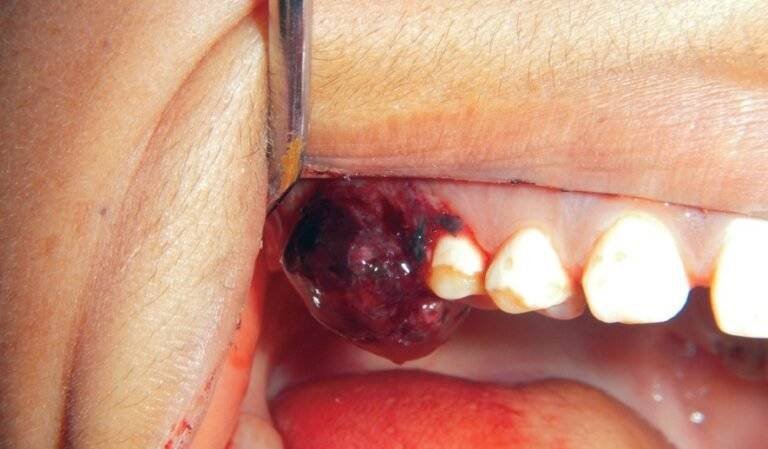
Minutes after your extraction, a blood clot forms in the empty socket. This clot is a natural bandage. It covers the bone and nerves while new tissue grows.
When you spit or rinse, you create suction. Liquid moves fast. This suction can easily pull out the weak, vital clot.
If you lose the clot, you get dry socket. This causes deep pain. It slows down healing and needs more dental care. The Mayo Clinic states that dry socket leaves bone and nerves exposed to air, food, and fluids.
Crucial Rule: Never touch the socket with your tongue, fingers, or toothpicks after rinsing. You might push out the healing clot.
2. Increased Risk of Bacterial Infection
Your mouth holds many bacteria. Most are safe normally. But an open wound is weak. Rinsing with tap water or dirty liquids can push germs right into the surgical spot.
3. Delayed Healing and Complications
The first 24-48 hours set the base for healing. Any harm in this time can delay your recovery by days or weeks. It brings more pain and trouble.
What to Do If You Accidentally Rinsed Your Mouth After Extraction
Mistakes happen. You might have rinsed out of habit. You might have forgotten the rules. If you act fast, you can fix it. Here is your plan:
Immediate Steps (Do These Right Now)
Step 1: Stop Rinsing Immediately
Stop rinsing the second you remember. Let any liquid fall out of your mouth into the sink. Do not spit hard. Spitting pulls suction and can pop the clot out.
Step 2: Bite Down on Clean Gauze
Take sterile gauze from your dentist. Fold it into a thick pad. Put it right over the extraction site. Bite down with firm pressure for 30 to 60 minutes. This helps the clot stick back down and stops bleeding.
Step 3: Avoid Creating Suction
For the next 72 hours, do not make suction in your mouth. No straws. No smoking. No spitting. No more rinsing. Even light suction can pull the clot loose.
Step 4: Keep Hands and Tongue Away
Do not touch the socket with your tongue or fingers. Leave the spot alone so the blood can form a hard shield.
Contact Your Dentist
Step 4: Call Your Dental Office
Call your dentist or surgeon as soon as you can. Call their emergency line if it is late. Tell them what happened, when it happened, and if you bleed. They will tell you what to do next.
Step 5: Monitor for Warning Signs
Watch for dry socket or infection signs over the next day or two. Look for bad pain that gets worse after 2-3 days, pain that spreads to your ear or eye, bad breath, an open bone, or ear ache.
If you see these signs, especially persistent pain beyond the first week, call your dentist right away.
Why it helps: Reduces swelling and inflammation after tooth extraction while promoting comfort during recovery.
How to Prevent Dry Socket: Your 2026 Protection Plan
Dry socket happens in 2 to 5 percent of normal extractions. It hits up to 30 percent of wisdom teeth removals, per the National Institute of Dental and Craniofacial Research. It is easy to stop if you follow these rules:
The First 24 Hours: Critical Protection Period
Avoid All Rinsing
Do not rinse, swish, or gargle for 24 hours. If you need to clean your mouth, wipe gently with a damp cloth near the spot. Never touch the wound.
Say No to Straws and Smoking
Both create suction that pulls out the clot. If you smoke, try to quit now. Stop for at least 72 hours, or 7 days if you can.
Keep Your Head Elevated
Sleep on 2 or 3 pillows for the first nights. This slows blood flow to the face, cuts swelling, and keeps the clot safe.
Days 2-7: Gentle Care Phase
Start Gentle Salt Water Rinses (After 24 Hours)
After 24 hours, you can use mild salt water. Mix half a teaspoon of salt in 8 ounces of warm water. Tilt your head and let it flow over the spot. Do not swish hard. Do this after meals and before bed.
Stick to Soft, Cool Foods
Eat soft food that needs little chewing. Try yogurt, smoothies without straws, mashed potatoes, eggs, and shakes. Skip hot, spicy, hard, or crunchy food.
Maintain Oral Hygiene Carefully
Brush your teeth, but skip the extraction spot at first. Later, use a soft brush around it. If you have sensitive teeth pain nearby, it is normal and will pass in a week.
Lifestyle Factors That Matter
Avoid Strenuous Exercise
Hard workouts raise blood pressure. This can start bleeding and move the clot. Rest for 3 to 5 days.
Stay Hydrated (The Right Way)
Drink plenty of water from a cup. Never use a straw. Water helps you heal and stops infections.
Take Medications as Prescribed
Take all pills your dentist gave you. Many experts support alternating Tylenol and ibuprofen for pain, but follow your own plan.
What to Expect During Normal Tooth Extraction Healing
Knowing what is normal helps you spot trouble early. Here is what happens during recovery:
First 24 Hours: The Critical Window
- Bleeding: Light oozing is normal at first. Bite on gauze. Change it every 30 to 45 minutes until bleeding stops.
- Pain: Pain peaks 6 to 8 hours after numbing wears off. Your pills will help.
- Swelling: Swelling starts fast and is normal. Use ice packs for 20 minutes on and 20 minutes off.
- Blood Clot Formation: The safe clot forms by day one.
Days 2-3: Peak Discomfort Phase
- Swelling Peaks: Swelling is worst around 48 hours. This is normal.
- Bruising May Appear: Face bruising can happen and fades in a week.
- Jaw Stiffness: Hard to open your mouth? This is common after wisdom teeth removal.
- White Tissue: You might see white or yellowish tissue. This is healthy healing tissue, not pus.
Days 4-7: Improvement Begins
- Pain Decreases: Pain should get better each day. Call your dentist if it gets worse.
- Swelling Subsides: Swelling goes down now.
- Diet Expansion: Eat slightly firmer foods, but avoid hard items.
- Return to Activities: Most people feel normal by day 5 to 7.
Weeks 2-4: Continued Healing
- Socket Fills In: New tissue fills the hole from the bottom up.
- Bone Remodeling: Your jaw bone heals for months.
- Normal Function Returns: Most people eat normally by week 3 or 4 with no pain.
Read the NHS Recovery Guide for Tooth Extraction for more tips.
Check out our guide on tooth extraction healing pictures to see what each stage looks like.
Day-by-Day Extraction Socket Healing Timeline
Compare normal healing with dry socket signs:
| Timeframe | Normal Healing Progress | Dislodged Clot / Dry Socket Signs |
|---|---|---|
| Day 1 (0–24 hrs) | Dark red blood clot forms; light oozing; manageable tenderness with meds. | Active bright red bleeding after accidental rinse; clot absent or washed away. |
| Days 2–3 | Swelling peaks; dark clot intact; white/grayish granulation tissue starts. | Throbbing pain begins, radiating to ear, eye, or temple; empty-looking socket. |
| Days 4–7 | Pain and swelling steadily decrease; soft tissue begins closing socket. | Severe, excruciating pain; foul breath or bad taste; visible bare bone. |
| Weeks 2–4 | Socket smooths over with new gum tissue; normal chewing resumes. | Delayed healing requiring professional medicated dressings from your dentist. |
Why it helps: Provides targeted numbing relief for extraction site discomfort during the healing process.
When to Contact Your Dentist: Red Flags You Shouldn’t Ignore
Most teeth heal well. But some signs mean you need a doctor fast. Call your dentist if you notice these:
🚨 SEE A DENTIST IMMEDIATELY IF YOU EXPERIENCE:
- Deep, throbbing pain radiating to your ear, jaw, temple, or eye that painkillers cannot control
- Heavy bleeding that continues after 30-60 minutes of direct gauze pressure
- Visible bare bone or a completely empty-looking socket 2-4 days post-op
- Fever above 101°F (38.3°C) or chills
- Foul taste or pus discharging from the extraction site
- Difficulty breathing or swallowing
Severe or Worsening Pain
Pain gets better after day 2 or 3. Bad pain that gets worse on day 3 to 5 means dry socket. Call your dentist for help.
Excessive or Prolonged Bleeding
Light oozing is fine on day one. Heavy bleeding that will not stop needs a look. If you have bleeding after 2 hours that feels too strong, call your dentist.
Signs of Infection
Watch out for infection signs:
- Fever over 101°F (38.3°C)
- More swelling after day 3
- Pus or bad smell from the socket
- Bad taste in your mouth
- Red lines near the gum
- Swollen glands in your neck
Difficulty Breathing or Swallowing
Trouble breathing or swallowing is rare but serious. Call 911 or go to the ER right away.
Numbness That Persists Beyond 24 Hours
Numbness right away is normal from medicine. If your lip or tongue stays numb after 24 hours, call your dentist.
Allergic Reaction to Medications
Signs of drug allergy include:
- Rash or hives
- Hard to breathe
- Swollen face, lips, or tongue
- Fast heartbeat
- Dizziness or fainting
Get medical help fast if this happens.
Persistent Nausea or Vomiting
Some nausea is normal. Throwing up a lot can make you sick and move the clot. Call your dentist if you cannot keep water down.
Special Considerations for Different Types of Extractions
Wisdom Teeth Removal
Wisdom teeth surgery is harder and takes longer to heal. Dry socket risk is higher. Follow instructions closely. Most people feel peak discomfort around day 2-3, and feel better by day 5 to 7.
Multiple Extractions
Taking out many teeth takes longer to heal. Protect all the holes. Your dentist may give extra gauze and rules.
Surgical vs. Simple Extractions
Surgical pulls need cuts or bone removal. They take more time to heal than simple pulls. Follow your dentist’s tips.
Long-Term Care and Prevention
Bone Preservation
Your jaw bone shrinks after a tooth is pulled. Talk to your dentist about bone grafts if you want an implant later.
Preventing Future Extractions
Good care stops tooth loss. Brush well, see your dentist, and treat tooth decay at the gum line early.
Replacement Options
Do not leave empty gaps. Missing teeth make other teeth shift. Talk about implants or bridges once your gums heal.
Dangerous home “hacks” to avoid
- Aspirin on the gum or tooth. Aspirin is an acid; it chemically burns the gum and does nothing for the pain. Swallow pain relievers as the label directs, never place them.
- Undiluted clove oil on an open wound or socket. A trace on a tooth can numb briefly; neat clove oil on gum tissue or a fresh socket causes burns and delays healing.
- Rinsing with alcohol, whisky, or hydrogen peroxide. They dry and irritate tissue, disturb a healing clot, and interact with pain relievers. Warm salt water is enough.
- Popping or draining a swelling yourself. Pushing on an abscess can spread the infection. Cold outside the cheek, and a dentist today.
- Leftover or borrowed antibiotics. They mask symptoms for a few days, breed resistant bacteria, and the tooth still needs treatment.
- Heat on a swollen face. Heat increases blood flow and swelling around an infection; use cold until a dentist has seen it.
Frequently Asked Questions
Can rinsing cause dry socket?
Yes, rinsing too early or too hard can push out the blood clot. This leaves bone and nerves open and raises dry socket risk.
What if I accidentally spit after tooth extraction?
Spitting makes strong suction in your mouth. If you spit by mistake, stop, don’t spit again, and put clean gauze on the socket if it bleeds.
What if I don’t do salt water rinses after tooth extraction?
Salt water cleans the wound after day one. If you skip it, you must be very clean. Your body can still heal if you keep germs out.
Can I touch my extraction site with my tongue?
No. Never touch the socket with your tongue or fingers. This moves the blood clot and slows healing.
Does rinsing once automatically give you dry socket?
No. Rinsing once by accident does not always cause dry socket, especially if you swished very softly. But it raises the risk. Stop, use gauze if it bleeds, and watch for pain over 2 to 4 days.
How do I know if my blood clot fell out?
If the clot falls out, you may see bright red blood. The hole may look empty or white. Bad pain may start 2 to 4 days later near your ear or eye.
When is it safe to rinse normally after tooth extraction?
Do not rinse for the first 24 hours. After that, use warm salt water gently. Tilt your head instead of swishing hard. Wait 7 to 10 days for normal rinsing.
What should I do if bleeding starts again after accidental rinsing?
Fold clean gauze into a thick pad. Put it on the socket and bite down hard for 30 to 60 minutes. Keep your head high and let saliva drop into a tissue.
Final Thoughts: Your Recovery Is in Your Hands
If you rinsed your mouth by mistake, stay calm. Quick action stops trouble. Stop rinsing, protect the socket, and call your dentist.
Most people heal well when they follow rules. Your body knows how to heal. Your job is to keep it safe.
Do not rinse for 24 hours, protect the clot, clean gently, and watch for signs. You will heal just fine.
Your dentist is your partner. Call them if you have questions. You will be eating your favorite food soon.
Stay calm, follow rules, and trust your body. You’ve got this!
💙 Did this guide help you?
Go Fix Teeth is reader-supported. A small donation keeps expert dental advice free for the next person in pain.