Extreme Tooth Pain Can’t Sleep? 2026 Expert Guide to Nighttime Relief
Experiencing extreme tooth pain and can’t sleep? Discover fast-acting remedies, understand why severe nighttime toothaches happen, and know when to see a dentist.
Disclosure: This post contains affiliate links. If you buy through them, we may earn a small commission at no extra cost to you.
Short answer: If extreme tooth pain keeps you awake, you can get immediate nighttime relief by elevating your head with extra pillows to reduce throbbing pressure. Applying a cold compress for 15 to 20 minutes and taking over-the-counter ibuprofen or Tylenol will also temporarily ease the pain. These methods help you sleep until you see a dentist.
Disclosure: this article contains affiliate links. As an Amazon Associate, Go Fix Teeth earns from qualifying purchases at no extra cost to you. Prices and availability are those shown on Amazon at the time you visit.
When you have bad tooth pain that keeps you awake at night, finding quick help is very important.
Severe tooth problems rarely fix themselves. Safe pain medicine, cold packs, and propped-up heads can help you manage tooth pain until you see a dentist for real care.
Key Takeaways:
- Night pain gets worse because blood flow and pressure rise in your head when you lie flat.
- Never put aspirin or pure clove oil right on sore gums or open sockets.
- Mix safe pain reducers and cold therapy for short-term help.
- Get emergency medical care right away if you have trouble breathing or spreading face swelling.
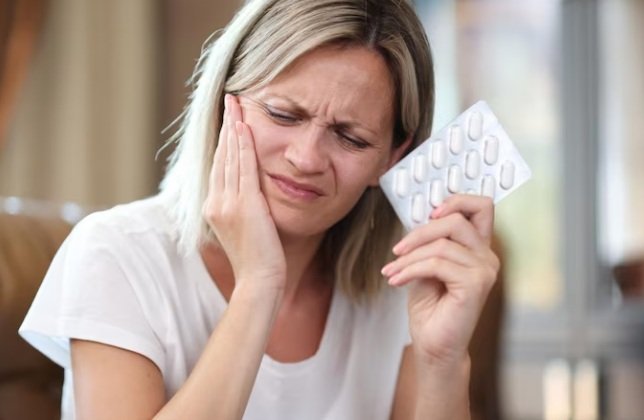
When extreme tooth pain wakes you up at night, it is a real dental emergency that needs fast help. The ongoing throbbing or severe tooth pain in your mouth can leave you tired and upset.
In 2026, we know a bad toothache has no schedule. Nighttime tooth pain feels awful when dental offices are closed.
If you read this at 2 AM with tears, you are not alone. Millions feel intense tooth pain at night. While you need a dentist, proven steps can give temporary relief until then.
🧮 Free tool: Not sure how urgent your pain is? Try our 60-second tooth pain symptom checker.
💙 This guide is free, and reader-supported.
Go Fix Teeth (dental) publishes independent information with no paywall. If this article helped you, a small contribution keeps it free for the next person.
Why Does Tooth Pain at Night Feel So Severe?
Let us look at the causes of nighttime tooth pain and why sleep makes it worse. When you lie down, blood rushes to your head. This raises pressure in the sensitive tissues around your teeth.
Also, nighttime has no daytime distractions. You notice the nighttime tooth pain signals much more clearly.
Your body fights pain less at night as cortisol drops. This makes a toothache feel worse. Many people search for tooth pain relief now, even if day pain was fine.

Why it helps: Provides fast-acting numbing relief with 20% benzocaine to temporarily block nerve pain signals.
Causes of Nighttime Tooth Pain and Severe Tooth Pain
Finding the right fix means knowing your toothache cause. Here are common reasons for extreme tooth pain that prevents sleep:
1. Advanced Tooth Decay Causing Severe Tooth Pain
Cavities can cross enamel into dentin or pulp. Bacteria then start an infection with deep, throbbing pain. Tooth pain at night gets worse from extra blood flow.
2. Dental Abscess as a Dental Emergency
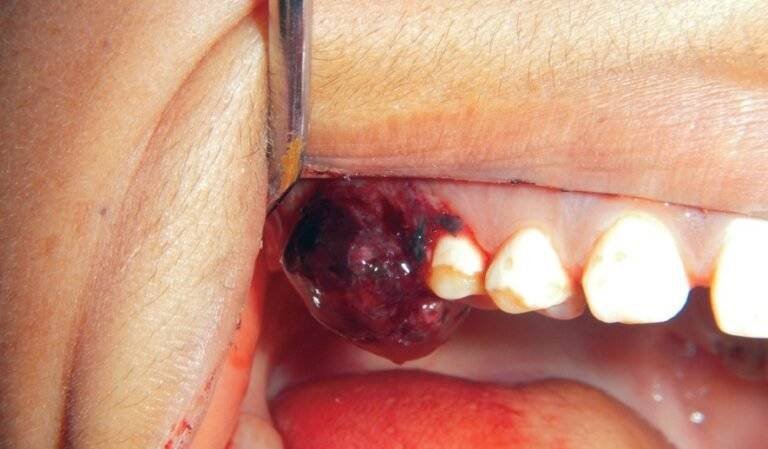
A tooth abscess is a pus pocket from bacteria. It is a very painful dental issue. It can form at the root or gums, sending sharp pain to your jaw, ear, or neck.
If fever comes with severe tooth pain, get emergency dental care right away.
3. Cracked or Fractured Tooth and Toothache
Small cracks open up inner tooth layers. This brings sharp pain when you bite or feel hot and cold. If you have a broken tooth with the root still in your gum, nighttime tooth pain can be very bad.
4. Gum Disease and Persistent Tooth Pain
Bad gum disease causes swelling and pulls gums back, showing raw roots. Pain can grow at night with bleeding, swelling, and bad breath.
5. Impacted Wisdom Teeth and Severe Tooth Pain
When wisdom teeth lack space to grow, they cause severe tooth pain, swelling, and germs. The ache spreads through the jaw and ruins sleep.
6. Severe Tooth Sensitivity and Nighttime Tooth Pain
Worn enamel or low gums expose dentin. Teeth then hate heat, cold, and pressure. This leads to sharp stabs that stop sleep.
7. Sinus Infection Mimicking a Toothache
Sinus pressure can feel like upper tooth pain. Sinuses cause dull aches in many top teeth that grow worse when you lie flat.
Immediate Tooth Pain Relief and Temporary Relief Strategies
When a bad nighttime toothache hits, these tips give temporary relief until you see a dentist:
Over-the-Counter Pain Medication for Fast Pain Relief
Right meds help with pain relief. Many studies support taking Tylenol and ibuprofen together. Ibuprofen works well because it fights swelling and pain.
Always follow label rules. Look at combining Tylenol and ibuprofen for tooth pain for big hurts.
Cold Compress Application for Temporary Relief
Put an ice pack on your cheek near the sore spot for 15 to 20 minutes. Cold shrinks blood vessels, cuts swelling, and numbs skin. Repeat as needed, but use a thin towel to protect your skin.
Elevate Your Head to Manage Nighttime Tooth Pain
Sleep propped up on two or three pillows. Keep your head above your heart. This lowers blood flow to your head and eases throbbing. Many people find this helps them sleep.
Why it helps: Keeps your head properly elevated throughout the night to reduce blood pressure in your jaw and minimize throbbing pain.
Saltwater Rinse for Natural Tooth Pain Relief
Mix one teaspoon of salt in warm water. Swish for 30 seconds and spit out. Salt water cleans germs, cuts swelling, and helps pull out infection. Do this every few hours.
Clove Oil Application for Managing Tooth Pain
Clove oil has eugenol, a natural numbing agent used for ages. Put a tiny drop on a cotton ball and press on the sore tooth. This can numb pain for hours.
Hydrogen Peroxide Rinse for Dental Infection
Mix 3% hydrogen peroxide with equal parts water to kill germs and swelling. Swish for 30 seconds and spit out—never swallow it. This helps if you have an abscess.
Avoid Temperature Extremes to Prevent Toothache
Stay away from very hot or cold foods and drinks. They spark tooth pain. Stick to room-temperature items until you see a dentist.
Topical Numbing Gels for Nighttime Tooth Pain Relief
Over-the-counter gels with benzocaine numb spots fast. Put a small drop on the sore tooth and gum. Relief lasts 1 to 2 hours, helping you fall asleep.
Managing Tooth Pain: Why Your Mouth Hurts at Night
Mouths often feel fine by day but hurt at night, causing nighttime tooth pain. This is real, and here is why:
Nighttime Teeth Grinding and Severe Tooth Pain
You may grind or clench teeth in your sleep. This puts heavy pressure on teeth, jaw muscles, and your TMJ joint. You feel it when you wake up. A custom night guard for teeth grinding can protect teeth and lower pain.
TMJ Disorders and Dental Pain
Jaw joint trouble causes face and tooth pain that gets worse when you lie down. The joint can get sore or out of line at night.
Sleep Apnea and Managing Tooth Pain
This sleep problem stops breathing at night, leading to clenching, tight jaws, and morning headaches. The strain shows up as mouth pain.
Sinus Pressure and Nighttime Toothache
Lying down increases sinus pressure. This makes upper teeth ache. It is common during sinus trouble or bad allergies.
Acid Reflux and Tooth Pain at Night
Stomach acid can flow up into your mouth while you sleep. This eats enamel and brings pain. If you wake with a sour taste, reflux may be why.
Trigeminal Neuralgia and Severe Tooth Pain
This nerve issue brings sharp face pain to teeth and jaws. Lying down or touching your face can set it off.
Why it helps: Flexible gel pack conforms to your jaw and face for targeted cold therapy that reduces swelling and numbs pain.
Dangerous home “hacks” to avoid when managing tooth pain
- Aspirin on the gum or tooth. Aspirin is an acid; it chemically burns the gum and does nothing for the pain. Swallow pain relievers as the label directs, never place them.
- Undiluted clove oil on an open wound or socket. A trace on a tooth can numb briefly; neat clove oil on gum tissue or a fresh socket causes burns and delays healing.
- Rinsing with alcohol, whisky, or hydrogen peroxide. They dry and irritate tissue, disturb a healing clot, and interact with pain relievers. Warm salt water is enough.
- Popping or draining a swelling yourself. Pushing on an abscess can spread the infection. Cold outside the cheek, and a dentist today.
- Leftover or borrowed antibiotics. They mask symptoms for a few days, breed resistant bacteria, and the tooth still needs treatment.
- Heat on a swollen face. Heat increases blood flow and swelling around an infection; use cold until a dentist has seen it.
When to Seek Urgent Care for Dental Emergencies
Home steps offer temporary relief, but some signs mean you need a doctor fast. Look for emergency care for dental emergencies if you have:
- Fever above 101°F (38.3°C) with tooth pain, showing spreading germs
- Severe swelling in your face, jaw, or neck that stops breathing or swallowing
- Trouble opening your mouth or moving your jaw
- Uncontrolled bleeding from your mouth or gums
- Pus or discharge coming from a tooth or gum
- Pain lasting over 1-2 days despite home care
- Injury to your mouth, teeth, or jaw
- A bad taste in your mouth that stays
These signs point to bad infections needing antibiotics. Untreated mouth infections can spread and become life-threatening.
Professional Treatment Your Dentist May Recommend for Severe Tooth Pain
Once you see a dentist, they will find the root cause of your tooth pain and fix it. Common ways to treat bad toothaches include:
Root Canal Therapy for Lasting Pain Relief
If tooth pulp has germs, a root canal clears out bad tissue, cleans the inside, and seals it. Modern root canals are quite easy and save your tooth.
Tooth Extraction as a Last Resort for Toothache
If a tooth cannot be saved, pulling it out is best. Your dentist will numb the area and give tooth extraction healing steps for safe recovery.
Dental Filling or Crown to Treat Tooth Pain
Fillings or crowns fix broken teeth or cavities and guard them from harm. New materials look natural and last long.
Antibiotic Treatment for Dental Infections
If you have an abscess, your dentist will give you antibiotics to kill germs. You still need dental work to fix the main problem.
Deep Cleaning for Gum-Related Tooth Pain
For gum disease, a deep cleaning procedure clears plaque below the gum line so gums can heal.
Night Guard or Splint for Managing Tooth Pain at Night
If grinding or TMJ causes pain, your dentist makes a custom night guard to protect teeth and ease jaw strain while you sleep.
Prevention: Avoiding Future Nighttime Tooth Pain and Dental Emergencies
After fixing your tooth pain, use these steps to stop it from coming back:
- Keep great oral care: Brush twice a day with fluoride toothpaste and floss daily to stop decay and gum disease
- Visit your dentist regularly: Go for checkups every six months to catch trouble early
- Address dental issues promptly: Do not ignore small aches—early care stops big problems
- Wear a night guard: Protect grinding teeth with a custom guard
- Limit sugary and acidic foods: These cause decay and wear down enamel
- Stay hydrated: Water washes away germs and food bits
- Don’t use your teeth as tools: Do not open packages, bite nails, or chew ice
- Manage stress: Stress causes teeth grinding and jaw clenching
Final Thoughts: Managing Tooth Pain at Night
Extreme tooth pain at night ruins sleep and needs quick care. Home tips in this guide bring temporary relief, but they do not replace a real dentist.
If you have severe tooth pain, call your dentist fast. Many offices offer emergency visits.
Tooth pain means something is wrong. Do not wait or try to tough it out. With right care, you can fix the issue, stop pain, and sleep well.
If you hurt tonight, try these relief steps and call the dentist in the morning. Your smile and your sleep will thank you.
This article is for informational purposes only and is not a substitute for professional advice. Consult a qualified professional for personal recommendations.
💙 Did this guide help you?
Go Fix Teeth is reader-supported. A small donation keeps expert dental advice free for the next person in pain.