My Tooth Chipped Off for No Reason: Causes, Prevention & Solutions (2026 Guide)
Disclosure: this article contains affiliate links. As an Amazon Associate, Go Fix Teeth earns from qualifying…
Disclosure: this article contains affiliate links. As an Amazon Associate, Go Fix Teeth earns from qualifying purchases at no extra cost to you. Prices and availability are those shown on Amazon at the time you visit.
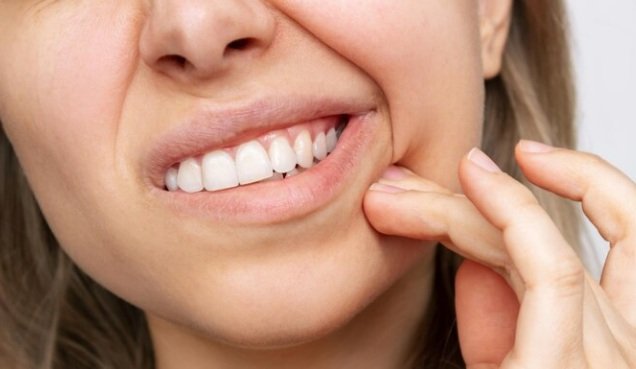
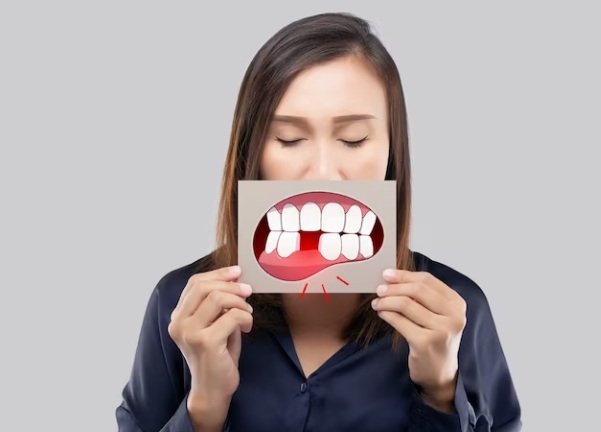
Discovering that your tooth has chipped unexpectedly can be a distressing experience. You might wonder why it happened, how to prevent it from occurring again, and what steps to take for immediate relief.
In this comprehensive 2026 guide, we’ll explore the various factors that can cause a tooth to chip seemingly out of nowhere, discuss modern preventive measures, and provide expert advice on what to do if it happens to you.
Why Did My Tooth Chip Off for No Reason?
The sudden chipping of a tooth can leave you puzzled and frustrated. While teeth are remarkably resilient, several factors can contribute to tooth chipping, even without apparent trauma. Understanding these causes is the first step toward protecting your smile.
1. Tooth Decay
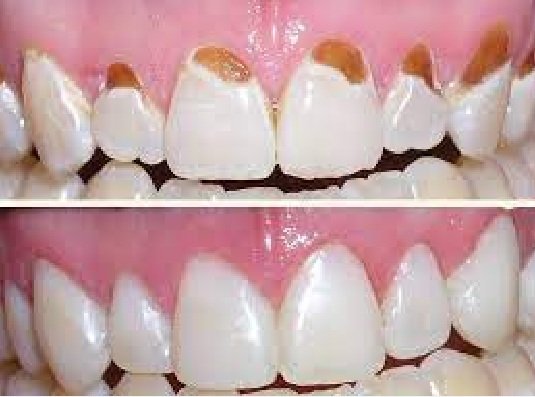
Underlying tooth decay weakens the structure of your tooth, making it significantly more susceptible to chipping. Decay can progress silently beneath the surface, and you may not be aware of it until the damage becomes visible.
If you notice decay developing at the gum line, it’s especially important to seek treatment promptly to prevent structural compromise.

Why it helps: Strengthens enamel naturally and helps prevent decay that can lead to chipping.
2. Bruxism (Teeth Grinding or Clenching)
Habitual teeth grinding, especially during sleep, can exert tremendous pressure on your teeth—sometimes exceeding 250 pounds per square inch. This constant force leads to microscopic fractures that eventually result in visible chipping or fractures. If you suspect you’re grinding your teeth at night, consider investing in a quality night guard to protect your teeth.
3. Poor Oral Hygiene
Inadequate dental care, including infrequent brushing and flossing, results in plaque and tartar buildup that weakens the enamel and increases the risk of tooth chipping. Regular professional cleanings are essential for maintaining tooth strength.
4. Dietary Habits
Consuming excessive hard or crunchy foods—such as ice, hard candies, or popcorn kernels—can cause immediate tooth chipping. Additionally, highly acidic foods and drinks can erode tooth enamel over time, making it more prone to damage. The cumulative effect of these dietary choices often manifests as seemingly spontaneous chipping.
5. Underlying Structural Issues
Some individuals have naturally weak enamel or structural abnormalities in their teeth that make them more susceptible to chipping. Genetic factors, developmental conditions, or previous dental work can all contribute to structural vulnerabilities.
6. Age-Related Wear and Tear
As you age, your teeth naturally experience wear and tear. By 2026, research shows that adults over 40 have significantly thinner enamel than younger individuals, which increases the likelihood of chipping. This natural aging process makes preventive care even more critical as we get older.
Common Causes of Tooth Chipping
While the specific cause of tooth chipping can vary from person to person, certain common factors are frequently at play:
1. Trauma
Even minor accidents or falls can lead to tooth chipping. The force of impact—whether from sports, a stumble, or an unexpected collision—can cause a piece of the tooth to break off instantly.
2. Teeth Grinding (Bruxism)
Persistent teeth grinding or clenching gradually wears down the enamel, making the teeth more vulnerable to chipping. Many people don’t realize they grind their teeth until significant damage has occurred.
3. Chewing Hard Objects
Biting down on hard objects like pens, pencils, bottle caps, or even fingernails can result in immediate tooth chipping. These habits place concentrated force on small areas of the tooth, creating weak points.
4. Poor Dental Hygiene
Neglecting regular brushing and flossing allows plaque and tartar buildup, which weakens tooth structure from the outside in. This gradual deterioration makes teeth brittle and prone to chipping.
5. Consuming Acidic Foods and Drinks
Acidic substances—such as soda, citrus fruits, energy drinks, and vinegar—erode tooth enamel over time. This erosion creates a thinner, weaker surface that chips more easily under normal chewing pressure.
How to Prevent Tooth Chipping in 2026
Preventing tooth chipping is possible by adopting good oral hygiene practices and making mindful choices regarding your dental health. Here are evidence-based tips to help you safeguard your teeth from chipping:
1. Maintain a Regular Dental Routine
Brush your teeth at least twice a day with fluoride toothpaste and floss daily to remove plaque and food particles. Consider using an electric toothbrush, which studies in 2026 show removes up to 21% more plaque than manual brushing.
2. Wear a Mouthguard
If you grind your teeth during sleep, consult your dentist about getting a custom-fitted mouthguard to protect your teeth from damage. Modern mouthguards are more comfortable and effective than ever before.
3. Be Cautious with Hard Foods and Objects
Avoid biting down on hard objects like pens, ice, and hard candies. Exercise care when eating foods that are known to be tough on teeth, such as nuts, hard bread crusts, and unpopped popcorn kernels.
4. Limit Acidic Foods and Drinks
Reduce your consumption of highly acidic foods and beverages, and rinse your mouth with water after consuming them to neutralize acids. Wait at least 30 minutes before brushing after acidic exposure to avoid damaging softened enamel.
5. Stay Hydrated
Drinking water throughout the day helps maintain saliva production, which plays a crucial role in protecting tooth enamel through natural remineralization. Aim for at least eight glasses of water daily.
6. Regular Dental Check-ups
Visit your dentist for regular check-ups and cleanings—ideally every six months—to catch and address dental issues, including tooth decay, before they lead to chipping.
Why it helps: Protects teeth from the damaging effects of bruxism that can lead to chipping and fractures.
What to Do If Your Tooth Chips Off
If you discover that your tooth has chipped, it’s essential to take immediate action to prevent further damage and discomfort. Here’s what you should do:
1. Save the Chipped Fragment
If you can locate the broken piece of your tooth, keep it in a clean container with a little milk or saliva to help preserve it. In some cases, the dentist may be able to reattach it using modern bonding techniques.
2. Rinse Your Mouth
Gently rinse your mouth with warm water to remove any debris or blood, if present. Be cautious not to swallow any loose fragments, and avoid vigorous rinsing that could dislodge any protective blood clots.
3. Control Bleeding
Apply gentle pressure with a clean piece of gauze or a tea bag if there is bleeding. This can help stop bleeding and reduce the risk of infection. Most minor bleeding should stop within 10-15 minutes.
4. Pain Management
Over-the-counter pain relievers can help manage discomfort. If you’re experiencing significant pain when putting pressure on the tooth, avoid chewing on that side of your mouth until you can see a dentist.
5. Seek Immediate Dental Care
Contact your dentist as soon as possible to schedule an appointment. Even if the chip appears minor, it’s important to have it assessed by a dental professional to determine the extent of the damage and discuss appropriate treatment. If you’re experiencing severe pain or the chip has exposed the nerve, seek emergency dental care immediately.
Dental Treatments for Chipped Teeth
The treatment for a chipped tooth depends on the severity of the damage. Your dentist will assess the extent of the chipping and recommend the most suitable course of action. Common dental treatments for chipped teeth in 2026 include:
1. Dental Bonding
For minor chips, dental bonding can be a quick and cost-effective solution. The dentist applies a tooth-colored composite resin to the chipped area and shapes it to match the tooth’s natural contours. This procedure typically takes 30-60 minutes and can last 5-10 years with proper care.
2. Porcelain Veneers
Veneers are thin shells of porcelain that are custom-made to cover the front surface of a chipped tooth. They provide both cosmetic enhancement and protection, and modern veneers are more durable and natural-looking than ever before.
3. Dental Crowns
In cases of extensive chipping or when a tooth has suffered significant damage, a dental crown may be recommended. A crown covers the entire visible portion of the tooth, providing strength and protection. If you’ve had a crown placed and experience discomfort, understand that even painless crown issues require professional attention.
4. Root Canal Therapy
If the chipping exposes the inner pulp of the tooth, a root canal may be necessary to remove infected or damaged tissue before sealing the tooth with a crown. Modern root canal procedures are much more comfortable than in the past.
5. Tooth Extraction and Replacement
In severe cases where a tooth cannot be saved—such as when the tooth has broken off at the gum line—extraction may be required. Your dentist can discuss replacement options, such as dental implants, bridges, or dentures.
Home Remedies for Chipped Teeth
While professional dental care is essential, there are several home remedies you can use to alleviate discomfort and protect the damaged tooth until you can see a dentist. These remedies offer temporary relief but should never replace professional treatment.
Dental Wax or Sugarless Gum
Materials Needed: Dental wax or sugarless gum
One of the immediate concerns with a chipped tooth is the potential for sharp or jagged edges that can irritate your tongue, lips, or cheeks. Dental wax or sugarless gum can provide a simple and effective solution to cover and protect the chipped area.
Steps:
- Wash your hands thoroughly to ensure they are clean
- Take a small amount of dental wax or sugarless gum
- Soften it by kneading it with your fingers
- Carefully mold and apply it to the chipped area of the tooth
- Gently bite down to ensure it adheres securely
This makeshift barrier can prevent further irritation and reduce the risk of injuring your soft oral tissues while you await professional dental treatment.
Why it helps: Provides immediate relief by covering sharp edges and protecting soft tissues from irritation.
Saltwater Rinse
Materials Needed: Warm water and salt
A saltwater rinse is a simple yet effective remedy for maintaining oral hygiene and reducing the risk of infection in a chipped tooth. Salt has natural antibacterial properties that can help cleanse the mouth and promote healing.
Steps:
- Mix half a teaspoon of salt in a glass of warm water
- Stir until the salt is fully dissolved
- Gargle with the saltwater solution for about 30 seconds
- Spit it out (do not swallow)
Repeat this rinse 3-4 times a day, especially after meals. It can help keep the chipped tooth and surrounding area clean and free from harmful bacteria.
Cold Compress
Materials Needed: Ice pack or a clean cloth
If you experience swelling or pain due to a chipped tooth, a cold compress can be an effective way to reduce inflammation and numb the affected area temporarily.
Steps:
- Wrap an ice pack or a clean cloth filled with ice cubes
- Place the compress on the outside of your cheek, directly over the chipped tooth
- Apply it for 15-20 minutes at a time
- Remove for at least 10 minutes before reapplying
Be sure to have a cloth or towel between the ice pack and your skin to prevent frostbite. Cold compresses can provide temporary relief from discomfort while you await professional dental care.
Over-the-Counter Pain Relievers
Materials Needed: Over-the-counter pain relievers (e.g., ibuprofen, acetaminophen)
Over-the-counter pain relievers can help manage pain and reduce inflammation associated with a chipped tooth. It’s essential to follow the recommended dosage instructions on the medication packaging.
Steps:
- Consult the dosage instructions on the medication packaging
- Take the recommended dose with a glass of water
- Ensure you do not exceed the maximum daily dosage
- Take with food if stomach sensitivity is a concern
These pain relievers can provide temporary relief while you await your dental appointment. However, they do not address the underlying issue, so dental care remains crucial.
Soft Diet
Materials Needed: Soft foods and liquids
Chewing with a chipped tooth can be uncomfortable and may further damage the tooth. Shifting to a soft diet can help minimize stress on the chipped tooth and prevent additional chipping or discomfort.
Recommended Foods:
- Soup and broth
- Mashed potatoes
- Yogurt and pudding
- Smoothies and protein shakes
- Oatmeal and cream of wheat
- Cooked vegetables (well-softened)
- Scrambled eggs
- Soft pasta
- Bananas and avocados
Avoid hard, crunchy, or sticky foods that could potentially worsen the damage or cause pain. Also avoid extremely hot or cold foods that might trigger sensitivity.
Avoid Trigger Foods and Drinks
Materials Needed: None
Certain foods and drinks can exacerbate chipped tooth discomfort. It’s advisable to avoid these items to prevent irritation and pain.
Foods and Drinks to Avoid:
- Ice cubes
- Hard candies and lollipops
- Nuts and seeds
- Popcorn (especially unpopped kernels)
- Very hot or very cold foods and drinks
- Highly acidic foods and beverages (e.g., citrus fruits, soda, energy drinks)
- Sticky foods like caramel or taffy
- Crusty bread and hard crackers
Opt for gentle, tooth-friendly foods to minimize the risk of aggravating the chipped tooth.
Dental Repair Kits
Materials Needed: Over-the-counter dental repair kits
In some cases, over-the-counter dental repair kits can provide temporary solutions for minor chipped teeth. These kits typically include dental cement or adhesive that can be used to fill in small gaps or stabilize a chipped area.
Steps:
- Follow the instructions provided with the dental repair kit carefully
- Clean the chipped tooth and surrounding area thoroughly
- Dry the area completely before application
- Apply the dental cement or adhesive as directed
- Allow it to set and harden according to the instructions
While dental repair kits can offer a temporary fix, it’s essential to consult a dentist for a more permanent solution and to assess the extent of the damage. These kits are designed only for emergency use until professional care is available.
When to Seek Emergency Dental Care
While some chipped teeth can wait for a regular dental appointment, certain situations require immediate emergency care:
- Severe pain that doesn’t respond to over-the-counter pain relievers
- Heavy bleeding that doesn’t stop after 15-20 minutes
- A large piece of tooth has broken off
- The nerve is exposed (you’ll know because of extreme sensitivity)
- The chip resulted from significant facial trauma
- You have difficulty breathing or swallowing
- Swelling is rapidly increasing
In these situations, contact an emergency dentist or visit an emergency room immediately.
Long-Term Outlook and Prevention
The good news is that with proper treatment, most chipped teeth can be successfully repaired and function normally for many years. The key to long-term dental health is prevention and prompt treatment when problems arise.
By following the preventive measures outlined in this guide—maintaining excellent oral hygiene, wearing protective mouthguards when appropriate, avoiding hard foods and objects, and seeing your dentist regularly—you can significantly reduce your risk of experiencing tooth chipping in the future.
Remember that your teeth are designed to last a lifetime with proper care. Even if you’ve experienced a chipped tooth, taking action now can help ensure your smile remains healthy and beautiful for years to come.
Important Disclaimer
It’s crucial to understand that the home remedies and temporary solutions discussed in this article are not substitutes for professional dental care. They can provide temporary relief and protection but should always be followed by a visit to the dentist for a comprehensive assessment and appropriate treatment.
Dental issues, including chipped teeth, require expert evaluation to determine the best course of action for long-term oral health and to prevent complications such as infection, further damage, or tooth loss.
If you’re experiencing persistent dental pain or have concerns about a chipped tooth, don’t delay seeking professional care. Early intervention almost always leads to better outcomes and can save you from more extensive and expensive treatments down the road.
💙 Did this guide help you?
Go Fix Teeth is reader-supported. A small donation keeps expert dental advice free for the next person in pain.