
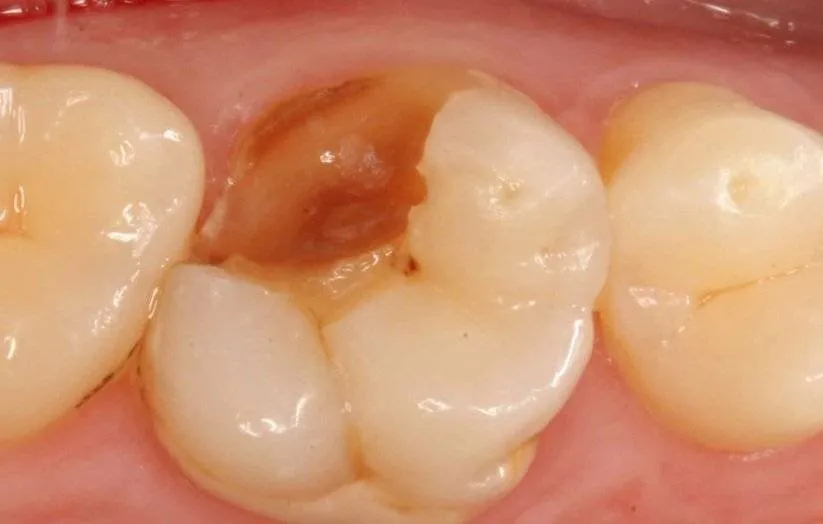
Tooth Broke Off at Gum Line: What to Do Next (2026)
If your tooth broke off at the gum line, act fast. Learn emergency steps, treatment options, extraction risks, and why no pain can still mean danger.
Disclosure: This article may contain affiliate links. As an Amazon Associate, I earn from qualifying purchases. This content is for informational purposes only and does not constitute medical advice. Always consult a qualified dental professional for diagnosis and treatment
📩 Important: after you sign up, open the email from Go Fix Teeth and tap Confirm. Your PDF opens right away. Not there? Check Spam or Promotions.
What to do if your tooth broke off at the gum line? (Emergency Steps)
First: is this a true dental emergency?
Yes. Even if you feel no pain, you must treat a broken tooth immediately. You must get treatment and see a dentist as soon as possible (within 24-48 hours) to prevent infection.
Here is your immediate treatment plan:
-
Call Your Dentist Immediately: Schedule an urgent dental appointment. Inform them a molar is broken so they can prepare the right treatment options.
-
Rinse Gently: Rinse your mouth with warm salt water to clean the area.
-
Manage Pain: Take over-the-counter pain relievers if needed.
-
Save the Fragment: If you found the part of the tooth that broke off, put it in milk or saliva. In rare cases, reattaching the broken tooth is an option.
-
Cover and Protect the Tooth: A broken tooth exposes sensitive inner layers. To prevent infection and stop pain, you must cover it while you wait for your dental appointment.
DenTek Temparin Max Repair Kit

Why this is your first aid:
- Easy to Use: No mixing required. Just apply the putty to the broken area.
- Instant Protection: Covers exposed nerves to stop pain instantly.
- Temporary Hold: Keeps food and bacteria out until you see the dentist.
Mastermedi Zinc Oxide Cement Kit
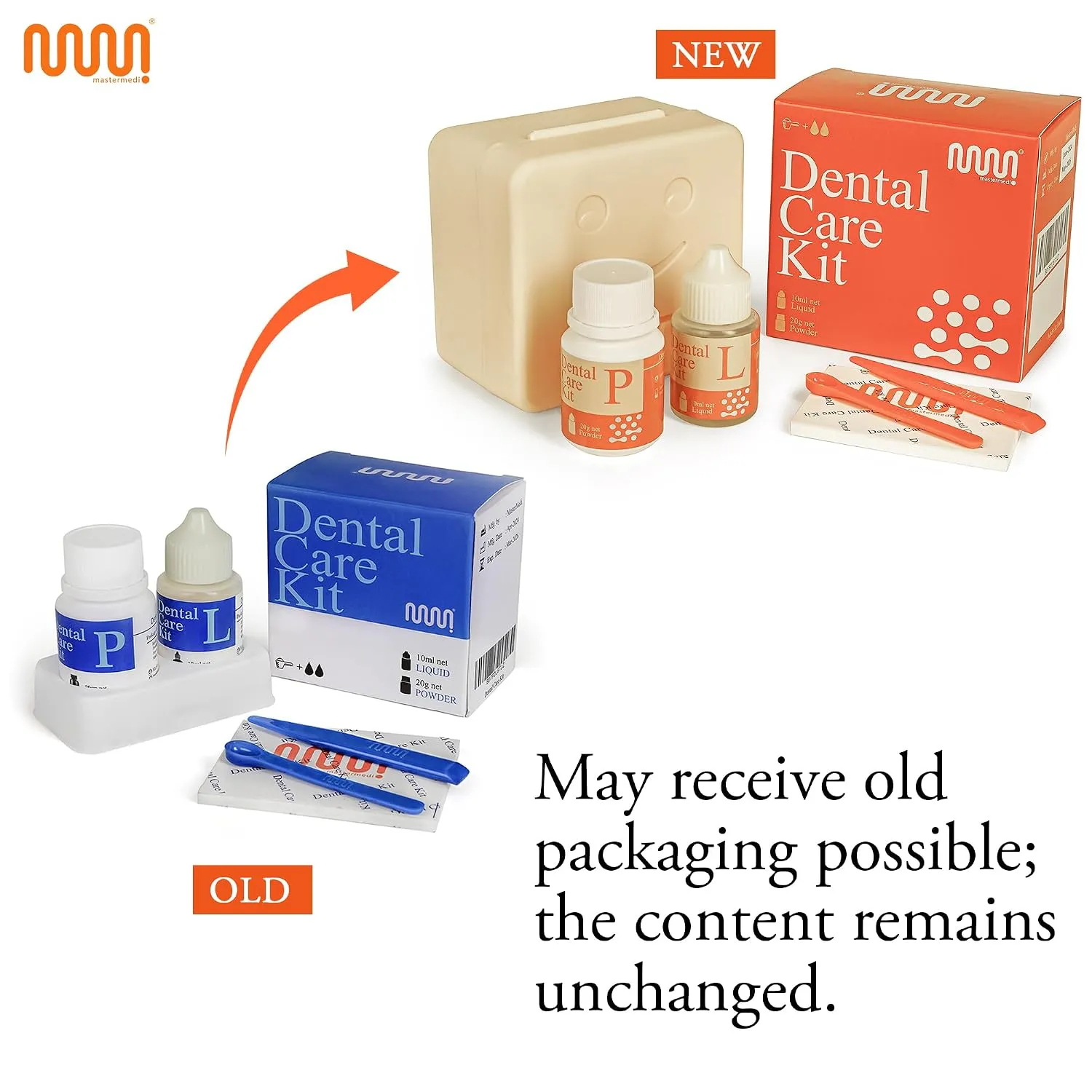
If you need a longer fix:
- Professional Grade: Zinc Oxide Eugenol is what dentists use for temp fillings.
- Durability: Hardens better than putty for a stronger seal.
- Versatile: Can also re-cement loose crowns or bridges.
-
Avoid Chewing: Do not engage in chewing with the broken tooth.
What causes a tooth to break off at the gum line?
When a tooth breaks at the gum line, there is usually an underlying reason. A tooth may break from various causes, including trauma or decay.
-
Significant Tooth Decay (The Silent Killer): This is the #1 culprit. Decay weakens the tooth structure from the inside out, leading to symptoms of a broken tooth. A large, old filling can act as a wedge, and eventually, the remaining portion of the tooth gives way.
This is often the cause for a decayed tooth broke off at gum line.
-
Trauma or Injury: A direct blow to the face, or biting down hard on something unexpected (like an olive pit or hard candy), can result in a tooth broken below the gum.
-
Grinding (Bruxism): Constant grinding at night can cause a tooth fracture or crack over time, which can eventually break a tooth.
-
Old Dental Work or Root Canals: Teeth with old, extensive fillings or previous root canals can become brittle over time and snap without warning.
-
Age-Related Wear and Tear: As we age, tooth enamel naturally thins and weakens, making older tooth structures more susceptible to severe fractures at the margin.

Can a tooth broken off at gum line be saved?
This is the main question, and the answer depends on one factor: how much remaining tooth structure is left and where the break is.
Your dentist will examine your tooth and take an X-ray to determine if the tooth root is intact and if the fracture extends deep below the bone. According to the American Dental Association (ADA), evaluating remaining sound tooth structure is critical to determining whether restorative procedures can offer long-term stability.
The good news: In many cases, yes, saving the tooth is possible.
The primary goal is to save your tooth if possible. Tooth extraction is always a last resort, as tooth loss can cause surrounding teeth to shift.
How to fix a tooth broken off at the gum line? (Treatment Options)
Your dentist has several treatment options and broken tooth solutions to fix your broken tooth. The tooth treatments will depend on the severity of the tooth damage.
Option 1: Root Canal Treatment
This is the most common first step for restoring the tooth pulp. It’s used if the tooth root is healthy, but the pulp (the center of your tooth containing nerves and blood vessels) is exposed or infected. The dentist removes the infected pulp from the inside of your tooth during root canal therapy.
Option 2: Dental Crown and Post & Core Buildup
A dental crown (or “cap”) is the most common tooth restoration procedure. After root canal therapy, when very little natural tooth structure remains above the gum line, a dentist can insert a prefabricated or custom post into the root canal space to provide anchor support for a core buildup before placing the crown.
This post-and-core reinforcement preserves teeth that might otherwise require extraction.
Option 3: Dental Bonding
Dental bonding is ideal for a minor chip or cracked tooth that is not severe. Your dentist can apply a tooth-colored composite resin to restore the shape and protect the tooth enamel.
Option 4: Crown Lengthening Surgery
If the tooth is broken broken below the gum line, your dentist needs a solid surface to attach the crown. This procedure surgically reshapes the gum near the gum line to uncover more of the tooth, exposing enough tooth structure to place the crown.
Option 5: Tooth Extraction (The Last Resort)
Sometimes, the tooth cannot be saved. This happens if the fracture is too deep, if the tooth root itself is cracked, or if there isn’t enough tooth structure left. Your dentist will extract the remaining tooth root.
Can a Dentist Pull a Tooth Broken Off at the Gum Line?
Yes, dentists routinely perform surgical extractions on teeth that have snapped off directly at or below the gum line. While more involved than extracting an intact tooth, standard dental technology ensures the procedure is comfortable and precise.
The procedure generally follows these core steps:
- Digital Imaging: Digital X-rays or 3D scans evaluate the tooth’s root curvature and depth in the jawbone.
- Anesthesia: Local anesthesia is administered to completely numb the site.
- Incision & Access: If needed, a small incision in the gum tissue provides access to the submerged root fragment.
- Elevators & Sectioning: Specialized dental elevators gently loosen the root, or the tooth is sectioned into smaller fragments for gentle removal.
- Cleaning & Suturing: The socket is thoroughly debrided to clear bacteria, and sutures are placed if required to encourage primary healing.
In highly complex cases involving deep root retention or proximity to major facial nerves, you may be referred to an oral and maxillofacial surgeon for evaluation.
Why You Should Never Try to Remove a Broken Tooth at Home
With DIY medical advice online, some individuals consider attempting home extractions. This is exceptionally dangerous and should never be attempted. Attempting to pull a tooth root yourself carries catastrophic health risks:
- Severe Deep Bone Infection: Non-sterile tools introduce virulent oral bacteria directly into the jawbone, potentially leading to osteomyelitis.
- Irreversible Nerve Damage: Improper forces can damage mandibular nerve branches, resulting in permanent facial numbess or chronic neuralgic pain.
- Uncontrolled Hemorrhage: Lacking medical forcep precision and topical hemostatic agents can lead to excessive, uncontrolled bleeding.
- Incomplete Root Fractures: Household tools almost always shatter the root, leaving jagged fragments trapped deep within the bone socket requiring emergency surgical removal.
What are the alternatives to tooth extraction?
If extraction is necessary, you must replace your tooth. The best tooth extraction alternative is a dental implant.
-
Dental Implant: This is the best permanent tooth restoration ($3,000 – $6,000). It functions and looks just like a natural tooth.
-
Dental Bridge: This is a long-lasting dental treatment but can damage adjacent teeth, so it’s essential to fix the broken tooth properly ($2,000 – $5,000).
-
Partial Denture: A removable, less expensive option that can be used to replace a missing tooth and prevent a broken molar on the other side from overwork.
What happens if you leave a broken tooth untreated?
Leaving a broken tooth untreated is a serious risk that can compromise your overall oral health. According to guidelines from the NHS and Mayo Clinic, an untreated broken tooth will:
-
Get Infected & Form Abscesses: The exposed pulp will get infected, leading to a painful abscess in the jawbone, especially if the tooth is broken below your gum line.
-
Cause Permanent Jaw Bone Loss: When an infected or non-functional root remains untreated in the socket, bacteria erode the surrounding alveolar bone structure.
-
Damage Surrounding Teeth & Soft Tissues: Sharp jagged edges cut into the tongue and cheek lining, while the gap allows neighboring teeth to tilt and shift out of proper bite alignment.
-
Increase Gum Disease Risk: Rough broken margins act as focal points for plaque build-up that cannot be cleaned with routine brushing.
🚡 Red Flag Symptoms: See a Dentist Now
Seek immediate emergency medical or dental attention if you develop any of the following systemic red flags:
- Fever, chills, or nausea
- Visible swelling in the jaw, face, or upper neck
- Throbbing, unmanageable pain spreading to the ear or neck
- Foul-tasting pus discharge coming from the broken tooth gum area
- Difficulty swallowing or breathing
What if my tooth broke off at gum line and there is no pain?
This is a major red flag for your oral health. “No pain” often means the tooth’s nerve is already dead from decay or prior trauma, or the fracture hasn’t immediately compromised live nerve endings.
According to research from the National Institute of Dental and Craniofacial Research (NIDCR), silent dental infections can quietly spread into surrounding bone tissue without early painful warning signs. You must see a dentist immediately to treat a broken tooth and avoid severe systemic complications.
My crown broke off at the gum line: what now?
If your crown came off and the tooth under it snapped at the gum line, the crown usually cannot simply be glued back, because there is no longer enough tooth left to hold it. Here is what to do:
- Keep the crown in a clean, dry container and bring it to your appointment. The dentist will check whether any part of it can be reused.
- Call your dentist within 24–48 hours, or the same day if you have pain, swelling, or a bad taste in your mouth.
- Do not use superglue or household adhesives. Temporary dental cement from the pharmacy is meant only for a crown that comes off intact on a tooth that is not broken.
- Chew on the other side and keep the area clean with gentle brushing.
Depending on how much root is left and how healthy it is, the usual options are a post and core with a new crown (often after a root canal), crown lengthening to expose more tooth, or extraction followed by an implant or bridge if the root cannot support a new crown.
Cost of fixing a broken tooth at the gum line
The cost varies wildly based on the solution. The cost of treatment for your tooth depends on whether a simple filling or a more complex procedure (like a tooth with a dental crown) is needed.
-
Tooth Extraction: This is the cheapest option upfront ($150 – $400), but you must also factor in the cost of replacing the tooth.
-
Root Canal Treatment + Dental Crown: This is the most common tooth restoration procedure ($2,000 – $4,000).
-
Dental Implant: This is the most expensive but most durable permanent tooth restoration ($3,000 – $6,000).

What’s Next? (Internal Links & Future Smile)
Dealing with a broken molar is stressful. The first step is to get emergency dental care.
[Internal Link 1]
Healing After Treatment: If your treatment requires an extraction, read our guide on what to expect:
Day-by-Day Tooth Extraction Healing Stages with Pictures
[Internal Link 2]
Understanding Healing Tissue: After an extraction, you’ll see new tissue. Learn about the symptoms of a broken tooth and the healing process here:
After Your Tooth is Restored:
Once your tooth is fixed and your mouth is healthy, you might consider enhancing your smile. (Important: Do not use whitening products on a damaged or recently treated tooth, especially if the center of your tooth is affected. Wait for your dentist’s approval).
If you are looking for a safe and effective way to remove stains from your other healthy teeth, our recommended whitening strips are an excellent, enamel-safe option.
Lumineux Teeth Whitening Strips (Enamel Safe)
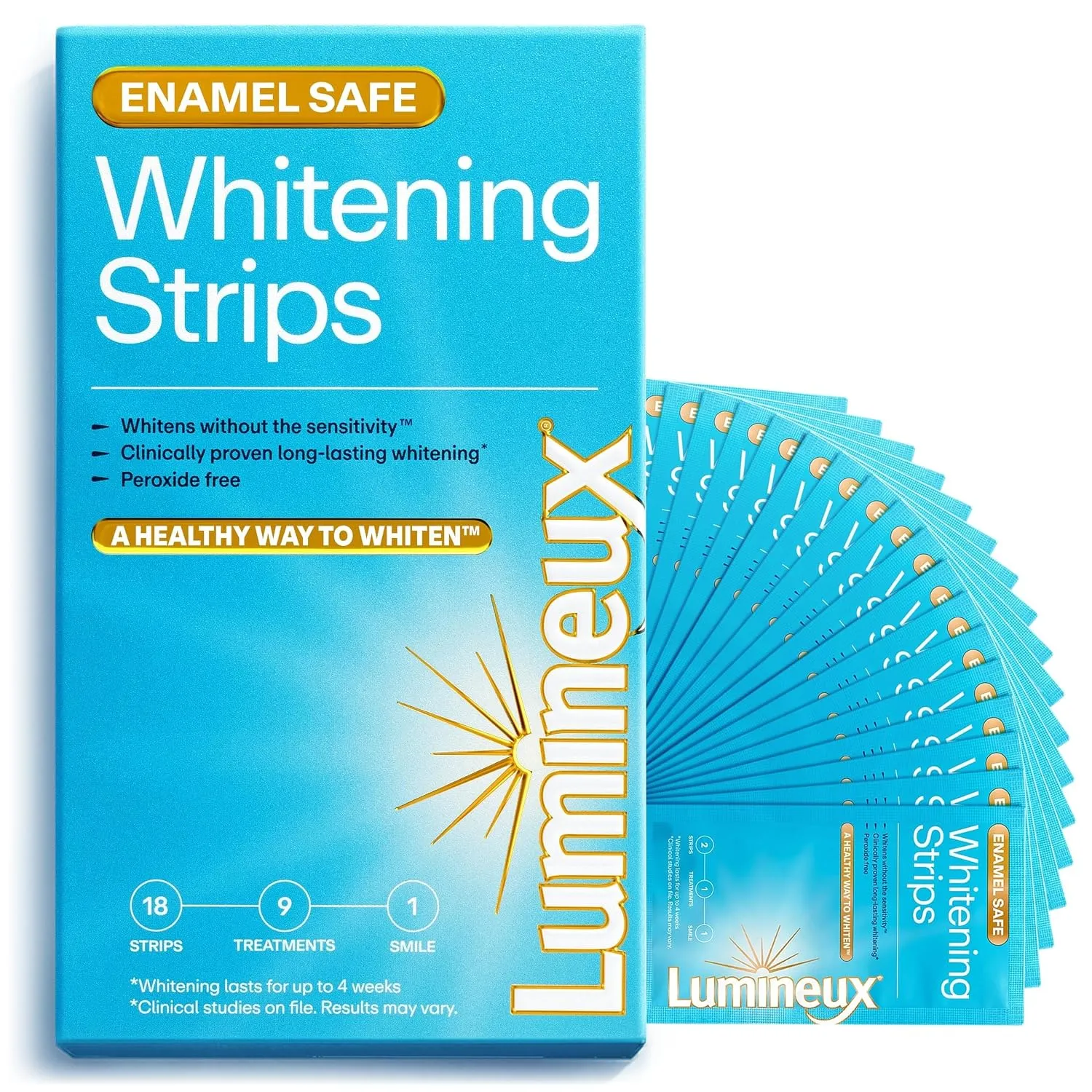
Whiten without the pain:
- Zero Sensitivity: Uses Dead Sea salt & Coconut oil instead of harsh bleach.
- Dentist Formulated: Safe to use as soon as your dentist approves.
- Fast Results: Visibly whiter teeth in just 30 mins.
🦷 Emergency Toolkit
Quick fix for now, brightness for later:
Dangerous home “hacks” to avoid
- Aspirin on the gum or tooth. Aspirin is an acid; it chemically burns the gum and does nothing for the pain. Swallow pain relievers as the label directs, never place them.
- Undiluted clove oil on an open wound or socket. A trace on a tooth can numb briefly; neat clove oil on gum tissue or a fresh socket causes burns and delays healing.
- Rinsing with alcohol, whisky, or hydrogen peroxide. They dry and irritate tissue, disturb a healing clot, and interact with pain relievers. Warm salt water is enough.
- Popping or draining a swelling yourself. Pushing on an abscess can spread the infection. Cold outside the cheek, and a dentist today.
- Leftover or borrowed antibiotics. They mask symptoms for a few days, breed resistant bacteria, and the tooth still needs treatment.
- Heat on a swollen face. Heat increases blood flow and swelling around an infection; use cold until a dentist has seen it.
Tooth Broke Off at the Gum Line but No Pain: Is That Okay?
A tooth that breaks off at the gum line without hurting is common, and it usually means the nerve inside is already dead (from old decay or trauma) or the tooth had a root canal. No pain does not mean it can wait for months. The remaining root is open to bacteria, and an infection can develop quietly before it suddenly flares up.
- Book a dentist visit within a few days, even if it feels fine. An X-ray shows whether the root is healthy enough to save.
- If the root can be saved: a root canal (if not done already), a post and a crown, sometimes with crown lengthening so there is enough tooth to hold the crown.
- If it cannot: extraction, then an implant, bridge or partial denture to fill the gap.
- Until then: chew on the other side, brush gently around the area, rinse with warm salt water after meals, and avoid very hard or sticky foods.
- Go sooner if you notice swelling, a bad taste, a pimple on the gum or fever, because those are signs of infection.
Instant PDF · $12
The Dental Recovery & Savings Bundle
A day-by-day recovery calendar (what’s normal, what to eat, when to call your dentist) plus 4 word-for-word scripts to lower your next dental bill. 30-day money-back promise.
Get the bundle →Conclusion: Summary of Key Points
If your molar broke off at gum line or tooth broke off at gum line, remember these key points:
-
YES, it is a dental emergency. Call your dentist immediately to address any concerns about your oral health.
-
NO, do not assume “no pain” means “no problem.”
-
YES, the tooth can be saved in many cases with a root canal treatment and a dental crown.
-
NO, do not wait or attempt DIY home extraction. Leaving a broken tooth untreated can lead to abscess, severe infection, and bone loss.


