
Can I Drink Soda After Tooth Extraction? What You Need to Know in 2026
If you’ve recently had a tooth extraction, you’re probably wondering what you can safely eat and…
If you’ve recently had a tooth extraction, you’re probably wondering what you can safely eat and drink during recovery. One of the most common questions patients ask is: “Can I drink soda after tooth extraction?” It’s a valid concern, especially if you’re a regular soda drinker.
The short answer is no—drinking soda after tooth extraction is generally not recommended due to the potential harm it can cause to your healing extraction site. In this comprehensive guide, we’ll explain exactly why soda can interfere with your recovery, what complications it may cause, and what beverages you should choose instead to stay hydrated and comfortable while you heal.
Understanding What Happens After a Tooth Extraction
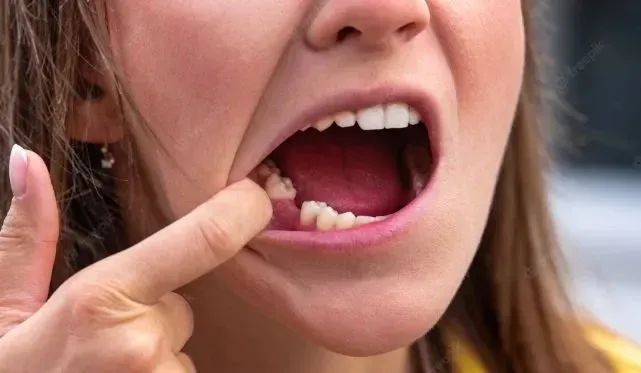
When a tooth is removed, your body immediately begins the healing process. A blood clot forms in the empty socket where your tooth once was—this clot is absolutely critical for proper healing. It protects the underlying bone and nerves, prevents infection, and serves as the foundation for new tissue growth.
Disrupting this blood clot can lead to a painful condition called dry socket, which significantly delays healing and requires additional treatment. This is why your dentist gives you specific instructions about what to avoid in the days following your extraction, and soda is definitely on that list.

Why it helps: Specially formulated alcohol-free mouth rinse that gently cleanses extraction sites without disrupting blood clots.
Why You Should Avoid Soda After Tooth Extraction
Soda poses multiple risks to your healing extraction site. Let’s break down each concern so you understand exactly what’s at stake:
Carbonation Creates Dangerous Suction
The carbonation in soda—those bubbles that make it fizzy—creates a suction effect in your mouth. This suction can easily dislodge the protective blood clot at your extraction site, leading to dry socket. If you’re experiencing throbbing pain after wisdom tooth extraction, it could be a sign that the blood clot has been disturbed.
High Sugar Content Promotes Bacterial Growth
Most sodas contain extremely high levels of sugar—sometimes up to 10 teaspoons per can. Sugar feeds harmful bacteria in your mouth, increasing your risk of infection at the vulnerable extraction site. During the first few days after your procedure, your mouth is particularly susceptible to bacterial invasion.
Acidity Damages Healing Tissue
Soda is highly acidic, with a pH level that can erode tooth enamel and irritate sensitive gum tissue. After an extraction, your gums are raw and exposed. The acids in soda can cause stinging pain and may actually slow down the healing process by damaging the delicate new tissue trying to form.
Temperature Sensitivity
Cold sodas can cause discomfort and pain at the extraction site, especially in the first 24-48 hours when sensitivity is at its peak. Even room-temperature soda still carries the other risks mentioned above.
What Happens If You Drink Soda After Tooth Extraction?
If you do drink soda against your dentist’s advice, you may experience several complications:
- Dry socket: The most common and painful complication, occurring when the blood clot is dislodged
- Increased pain and swelling: The extraction site may become more inflamed and tender
- Delayed healing: Your recovery time may extend from days to weeks
- Infection: Bacteria can enter the exposed socket, requiring antibiotics or additional treatment
- Bleeding: The extraction site may start bleeding again if the clot is disturbed
If you’re already dealing with complications and wondering about why you still have pain 5 days after tooth extraction, consuming soda could be one of the contributing factors.
How Long Should You Wait Before Drinking Soda?
Most dental professionals recommend waiting at least 7-10 days before consuming carbonated beverages after a tooth extraction. However, the exact timeline depends on several factors:
- The complexity of your extraction (simple vs. surgical)
- How well you’re healing
- Whether you experienced any complications
- Your individual healing rate
- Your dentist’s specific recommendations
For wisdom teeth removal, which typically involves more extensive surgery, you may need to wait even longer—sometimes up to two weeks. Always follow your dentist’s personalized aftercare instructions, as they know the specifics of your procedure.
Why it helps: Keeps you hydrated without sugar or carbonation, perfect for post-extraction recovery when plain water gets boring.
What Can You Drink After Tooth Extraction?
The good news is that you have plenty of safe, refreshing beverage options during your recovery period. Here are the best choices for the first 3-7 days after your extraction:
Water (Your Best Friend)
Plain water should be your go-to beverage. It keeps you hydrated, doesn’t irritate the extraction site, and helps keep your mouth clean. Room temperature or slightly cool water is ideal—avoid ice-cold water in the first 24 hours. You can also use water for gentle salt water rinses, which promote healing and reduce bacteria.
Milk and Dairy-Based Drinks
Milk, smoothies (without seeds), and yogurt drinks are excellent choices. They’re rich in calcium and protein, which support healing. Make sure any smoothies are consumed without a straw, as the sucking motion can dislodge your blood clot. Avoid dairy if you’re taking certain antibiotics that interact with calcium.
Diluted Fruit Juices
Non-citrus fruit juices diluted with water can provide vitamin C, which aids in wound healing. Avoid orange, grapefruit, and other citrus juices as they’re too acidic. Apple juice, grape juice, and pear juice are gentler options. Keep the sugar content in mind and rinse with water afterward.
Herbal Teas (Cooled)
Chamomile, peppermint, and ginger teas have natural anti-inflammatory properties. Let them cool to room temperature or slightly warm—never drink hot beverages in the first few days. Avoid using tea bags with loose leaves that could get stuck in the extraction site.
Vegetable Juices and Broths
Strained vegetable juices and clear broths provide nutrients without requiring chewing. Make sure they’re lukewarm and free of any chunks or seeds. Bone broth is particularly beneficial as it contains collagen and minerals that support healing.
Coconut Water
Natural coconut water (not carbonated coconut drinks) is hydrating and contains electrolytes. It’s a great alternative if plain water becomes boring, and it’s gentle on your extraction site.
Important Drinking Tips During Recovery
How you drink is just as important as what you drink. Follow these guidelines to protect your healing extraction site:
- Never use a straw: The suction created can dislodge your blood clot and cause dry socket
- Sip gently: Don’t swish liquids around your mouth vigorously
- Avoid temperature extremes: Stick to room temperature or lukewarm beverages for the first 48 hours
- Don’t rinse immediately: Wait at least 24 hours before rinsing your mouth, and when you do, be very gentle
- Stay upright: Don’t lie down immediately after drinking to prevent liquid from pooling at the extraction site
If you accidentally rinsed your mouth after a tooth extraction too soon, don’t panic—just be extra careful going forward and monitor for signs of complications.
Signs of Complications to Watch For
Even if you follow all the guidelines, complications can occasionally occur. Contact your dentist immediately if you experience:
- Severe pain that worsens after the third day
- Persistent bleeding that doesn’t stop with gentle pressure
- Foul odor or taste coming from the extraction site
- Fever above 100.4°F (38°C)
- Excessive swelling that increases after 48 hours
- Difficulty swallowing or breathing
- Visible bone in the extraction socket
Understanding the day-by-day tooth extraction healing stages can help you know what’s normal and what requires professional attention.
Why it helps: Flexible gel packs that conform to your face reduce swelling and numb pain without the mess of ice.
Complete Aftercare Timeline: What to Expect
Here’s a day-by-day guide to help you understand what beverages are safe as you progress through recovery:
First 24 Hours
Stick to room temperature water only. Avoid all other beverages, including soda, juice, coffee, and alcohol. Focus on keeping the blood clot intact.
Days 2-3
You can introduce lukewarm herbal teas, milk, and diluted non-citrus juices. Still no carbonated drinks, alcohol, or anything with a straw.
Days 4-7
Most beverages are now safe except carbonated drinks and alcohol. You can enjoy smoothies, protein shakes, and a wider variety of juices. Continue avoiding straws.
Days 8-14
If healing is progressing normally, you can gradually reintroduce carbonated beverages. Start with small amounts and monitor how your extraction site responds. If you experience any discomfort, wait a few more days.
After 2 Weeks
Most people can return to their normal diet and beverage routine, though it’s still wise to limit sugary sodas for overall oral health.
Healthier Alternatives to Soda
If you’re a regular soda drinker, your recovery period is actually a great opportunity to break the habit or find healthier alternatives. Consider these options:
- Infused water: Add slices of cucumber, berries, or mint to plain water for flavor without sugar
- Herbal iced tea: Naturally sweet options like rooibos or fruit teas (served cool, not iced)
- Kombucha (after 2 weeks): While it is carbonated, it’s less sugary and offers probiotic benefits
- Sparkling water (after 10 days): If you miss the fizz, unflavored sparkling water is a better choice than soda
- Fresh vegetable juice: Provides nutrients without the excessive sugar of soda
Special Considerations for Wisdom Teeth Removal
Wisdom teeth extractions are often more complex than simple tooth removals, which means recovery takes longer and requires extra caution. If you’ve had wisdom teeth removed, you should be even more careful about avoiding soda.
The extraction sites for wisdom teeth are typically larger and located in areas that are harder to keep clean. The carbonation and sugar in soda pose an even greater risk of infection and dry socket. Most oral surgeons recommend waiting a full two weeks before consuming any carbonated beverages after wisdom teeth removal.
If you’re preparing for the procedure, check out our guide on how to prepare for wisdom teeth removal to ensure the smoothest possible recovery.
Frequently Asked Questions
Can I drink diet soda after tooth extraction?
No, diet soda poses the same risks as regular soda. While it doesn’t contain sugar, it’s still carbonated and acidic, which can dislodge your blood clot and irritate the extraction site.
What if I accidentally drank soda after my extraction?
Don’t panic. Rinse your mouth very gently with plain water, and monitor the extraction site for signs of complications. If you experience increased pain, bleeding, or other concerning symptoms, contact your dentist.
Can I drink flat soda?
Even flat soda is not recommended due to its high sugar and acid content, which can still promote bacterial growth and irritate healing tissue. It’s better to choose one of the recommended alternatives.
How long after tooth extraction can I drink through a straw?
Wait at least 7-10 days before using a straw, as the suction can dislodge your blood clot even after several days. When in doubt, sip directly from a cup.
Is sparkling water the same as soda?
Sparkling water is less harmful than soda because it doesn’t contain sugar, but it’s still carbonated. Wait at least 7-10 days before drinking sparkling water, and choose unflavored varieties without added citric acid.
The Bottom Line: Prioritize Your Healing
While giving up soda for a week or two might seem difficult, it’s a small sacrifice compared to the pain and complications that can result from dry socket or infection. Your extraction site needs time to heal properly, and the beverages you choose play a crucial role in that process.
Remember that everyone’s healing timeline is different. What works for your friend or family member might not be right for you. Always follow your dentist’s specific instructions, and don’t hesitate to call their office if you have questions or concerns about what you can safely consume.
By choosing water, milk, diluted juices, and other recommended beverages during your recovery, you’ll give your body the best chance to heal quickly and completely. Before you know it, you’ll be back to your normal routine—hopefully with a few healthier beverage habits along the way.
If you’re experiencing ongoing discomfort or have questions about your recovery, don’t wait to seek professional advice. Your oral health is too important to take chances with, and your dental team is there to support you through every stage of healing.