Full Mouth Extraction with Immediate Dentures: Your Complete 2026 Guide to Costs, Recovery & What to Expect
Full mouth extraction with immediate dentures is a transformative dental procedure that removes all remaining teeth…
Full mouth extraction with immediate dentures is a transformative dental procedure that removes all remaining teeth and immediately replaces them with a complete set of dentures on the same day. If you’re facing severe tooth decay, advanced gum disease, or multiple failing teeth, this comprehensive solution can restore your smile, confidence, and ability to eat and speak comfortably—often in just one appointment.
In this updated 2026 guide, we’ll walk you through everything you need to know about the procedure, realistic cost expectations, day-by-day recovery insights, and whether immediate dentures can become a long-term solution for you.
What Is Full Mouth Extraction with Immediate Dentures?
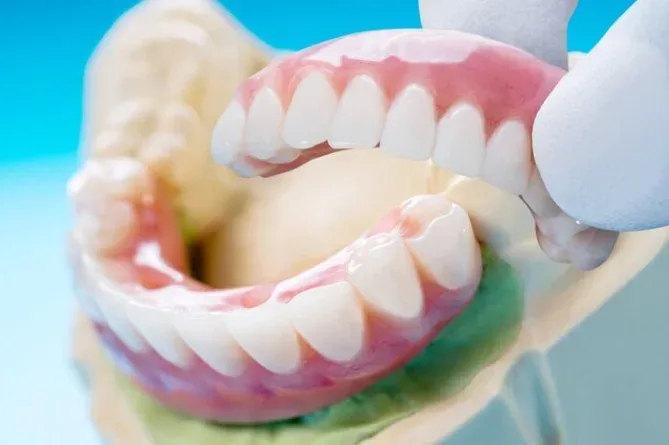
This procedure involves the surgical removal of all remaining teeth in your upper jaw, lower jaw, or both, followed by the immediate placement of pre-fabricated dentures. Unlike traditional dentures that require weeks of healing before placement, immediate dentures are inserted right after extraction, so you never have to go without teeth.
Your dentist or oral surgeon will take impressions and measurements of your mouth before the extraction day. These are used to create custom dentures that fit your unique oral anatomy. Once your teeth are removed, the dentures are placed immediately, providing instant support to your facial structure and allowing you to leave the office with a complete smile.
This approach is especially beneficial for patients who are self-conscious about appearance or need to maintain professional and social engagements without interruption. However, it’s important to understand that immediate dentures are typically considered a transitional solution while your gums and bone heal and reshape over the following months.

Why it helps: Provides a secure, comfortable fit for immediate dentures during the critical early healing phase.
Who Is a Good Candidate for Immediate Dentures?
Immediate dentures may be the right choice if you:
- Have multiple teeth that are severely decayed, broken, or loose
- Suffer from advanced periodontal disease that cannot be treated with other methods
- Experience chronic pain or infection from failing teeth
- Want to avoid the social and functional challenges of being without teeth during the healing period
- Are committed to following post-operative care instructions and attending follow-up appointments
Your dentist will evaluate your oral health, bone structure, and overall medical condition to determine if you’re a suitable candidate. In some cases, if you’re dealing with teeth breaking into pieces, immediate dentures can provide a swift and effective solution.
Full Mouth Extraction with Immediate Dentures Cost in 2026
One of the most common questions patients ask is about cost. In 2026, the price for full mouth extraction with immediate dentures typically ranges from $3,500 to $15,000 or more, depending on several factors:
- Geographic location: Dental costs vary significantly by region, with urban areas and coastal cities generally charging more.
- Complexity of extractions: If you require surgical extractions or have impacted teeth, costs will be higher.
- Type of dentures: Economy dentures are less expensive, while premium dentures with better aesthetics and fit cost more.
- Dentist’s experience: Specialists and highly experienced practitioners may charge higher fees.
- Sedation options: General anesthesia or IV sedation adds to the overall cost.
- Follow-up care: Adjustments, relines, and soft liners during the healing period may incur additional charges.
Many dental insurance plans cover a portion of the procedure, typically 50-80% of extractions and 50% of dentures, up to your annual maximum. It’s crucial to verify your coverage details with your insurance provider before scheduling.
If you don’t have insurance or need help with out-of-pocket costs, many dental offices offer financing plans through companies like CareCredit, which allow you to pay in monthly installments. Some practices also offer in-house payment plans to make the procedure more accessible.
While the upfront cost may seem significant, immediate dentures can be cost-effective in the long run by preventing further oral health complications that would require even more expensive treatments down the road.
The Procedure: What to Expect on Extraction Day
Understanding what happens during the procedure can help ease anxiety and ensure you’re properly prepared.
Before the Procedure
In the weeks leading up to your extraction day, your dentist will take detailed impressions, photographs, and measurements of your mouth. These are used to fabricate your immediate dentures. You may also have a “try-in” appointment where you can see and approve the appearance of your new teeth.
Your dentist will provide specific pre-operative instructions, which may include fasting if you’re receiving sedation, arranging transportation home, and taking prescribed antibiotics if you have a history of infection.
During the Procedure
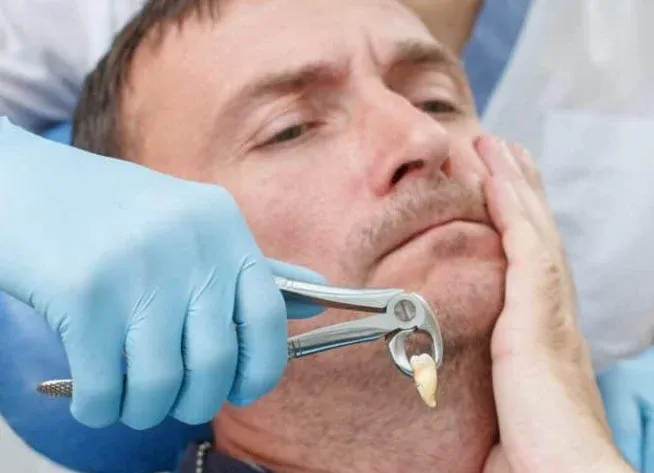
On the day of your extraction, you’ll receive local anesthesia to numb your mouth, and possibly sedation to help you relax. The dentist or oral surgeon will carefully extract all remaining teeth, taking care to preserve as much bone and gum tissue as possible.
Once all teeth are removed, the extraction sites are cleaned, and any sharp bone edges are smoothed. Your immediate dentures are then placed and adjusted for the best possible initial fit. The entire procedure typically takes 2-4 hours, depending on the number and condition of teeth being removed.
Immediately After
You’ll leave the office with your new dentures in place. Your dentist will provide detailed aftercare instructions, including how to manage bleeding, swelling, and discomfort. You’ll typically be prescribed pain medication and possibly antibiotics to prevent infection.
It’s normal to experience significant swelling and discomfort in the first few days. Having a trusted friend or family member drive you home and stay with you for at least the first 24 hours is essential.
Why it helps: Gently cleans your immediate dentures without damaging the acrylic or causing irritation to healing gums.
Day-by-Day Recovery: What to Expect After Immediate Dentures
Recovery from full mouth extraction with immediate dentures is a gradual process. Here’s what you can typically expect during the first critical days and weeks.
Day 1-3: Initial Healing Phase
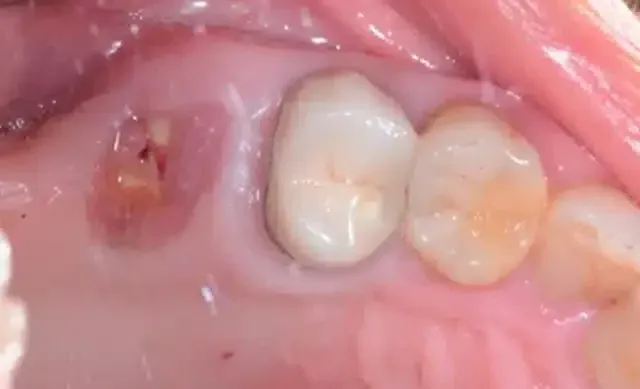
The first 72 hours are the most challenging. You’ll experience swelling, bleeding, and discomfort. Your dentist will likely instruct you to keep your dentures in place for the first 24 hours to help control bleeding and protect the extraction sites.
During this time, stick to a liquid or very soft food diet—think smoothies, protein shakes, yogurt, and lukewarm soups. Avoid hot liquids, which can increase bleeding. Apply ice packs to your face in 20-minute intervals to reduce swelling.
Take your prescribed pain medication as directed, and get plenty of rest. Sleep with your head elevated on pillows to minimize swelling. If you’re concerned about proper healing, you might find it helpful to review information about tooth extraction healing stages to understand what’s normal.
Day 4 After Immediate Dentures: Turning Point
By day four, many patients notice a significant improvement. Swelling begins to subside, and you may feel more comfortable speaking and eating. This is often when you’ll have your first follow-up appointment, where your dentist will remove your dentures to check the healing sites and clean them properly.
At this stage, you may still experience some soreness and difficulty with certain foods, but this is completely normal. Your mouth is still adjusting to the dentures, and your gums are actively healing and reshaping.
Continue with soft foods, but you can gradually introduce slightly firmer textures like scrambled eggs, mashed potatoes, and soft pasta. Rinse your mouth gently with warm salt water after meals to promote healing and keep the extraction sites clean.
If you experience persistent pain or notice your dentures feeling increasingly loose, contact your dentist. Some adjustment is normal, but significant problems should be addressed promptly.
Week 1-2: Continued Adaptation
During the first two weeks, your gums will continue to heal and shrink. This is when you’ll likely need your first denture adjustment or reline. Your dentist may add soft liner material to the inside of your dentures to improve fit and comfort as your tissues change.
You’ll gradually expand your diet to include more variety, though you should still avoid very hard, sticky, or chewy foods. Practice speaking out loud to help train your mouth muscles to work with the dentures.
Month 1-6: Major Healing and Adjustments
Over the next several months, your jawbone and gums will undergo significant remodeling. This is a natural process as your body adapts to the absence of tooth roots. You’ll need periodic adjustments and possibly one or more relines to maintain a proper fit.
By three to six months post-extraction, most of the major healing will be complete, and you’ll be ready to consider permanent dentures if desired. These will be custom-made to fit your fully healed mouth and typically offer superior comfort, fit, and appearance compared to immediate dentures.
Can Immediate Dentures Be Permanent?
This is one of the most frequently asked questions, and the answer is nuanced. Immediate dentures are typically designed as a temporary or transitional solution rather than a permanent one.
Here’s why: When your teeth are extracted, your jawbone and gums undergo significant changes over the following months. The bone that once supported your teeth begins to resorb (shrink), and your gum tissue reshapes. These changes mean that immediate dentures, which were made before your extractions, will gradually become loose and ill-fitting.
However, with proper care, adjustments, and periodic relines, immediate dentures can last several years. Some patients choose to continue wearing their immediate dentures long-term, especially if they’re on a tight budget or have adapted well to them.
That said, most dental professionals recommend transitioning to permanent dentures after the 6-12 month healing period. Permanent dentures are fabricated after your mouth has fully healed and stabilized, resulting in:
- Superior fit and comfort
- Better aesthetics and more natural appearance
- Improved chewing efficiency
- Greater durability and longevity
- Reduced need for adhesives
For patients seeking the most stable and long-lasting solution, dental implants with implant-supported dentures offer the closest thing to natural teeth. While more expensive upfront, implants prevent bone loss and provide unmatched stability and function.
Why it helps: Keeps your immediate dentures fresh, clean, and free from bacteria during the healing process.
Tips for Adjusting to Your Immediate Dentures
Adapting to immediate dentures takes time and patience. Here are practical tips to make the transition smoother:
Eating with Immediate Dentures
- Start with soft, easy-to-chew foods and gradually progress to firmer textures
- Cut food into small, manageable pieces
- Chew slowly and use both sides of your mouth evenly to prevent dentures from tipping
- Avoid sticky foods like caramel, hard foods like nuts, and tough meats initially
- Stay hydrated—drinking water helps with speaking and keeps your mouth comfortable
Speaking Clearly
- Practice reading aloud to train your tongue and muscles
- Speak slowly and deliberately at first
- If you notice clicking sounds, slow down and practice proper tongue placement
- Be patient—most people adapt within a few weeks
Denture Care and Maintenance
- Remove and rinse your dentures after eating
- Brush them daily with a soft denture brush and non-abrasive cleaner
- Soak them overnight in denture solution to keep them moist and clean
- Handle them carefully over a towel or basin of water to prevent breakage if dropped
- Never use hot water, which can warp the acrylic
- Continue to clean your gums, tongue, and palate with a soft brush to maintain oral health
Managing Discomfort
- Use denture adhesive as recommended by your dentist for added stability
- Rinse with warm salt water to soothe sore spots
- If you develop persistent sore spots, see your dentist for an adjustment—don’t try to file or adjust dentures yourself
- Take over-the-counter pain relievers as needed, following your dentist’s recommendations
Potential Challenges and How to Overcome Them
While immediate dentures offer many benefits, it’s important to be aware of potential challenges:
Loose Fit Over Time
As your gums and bone heal and shrink, your dentures will become looser. Regular follow-up appointments for adjustments and relines are essential. Don’t wait until your dentures are extremely loose, as this can cause sore spots and difficulty eating.
Sore Spots and Irritation
Some areas of your gums may develop sore spots from pressure points. Never try to adjust your dentures yourself with sandpaper or files—this can cause irreversible damage. Instead, schedule an appointment with your dentist for professional adjustment.
Difficulty Eating Certain Foods
Even after adapting, some foods will always be challenging with dentures. Very sticky, hard, or tough foods may need to be avoided or modified. Focus on nutritious, denture-friendly alternatives to maintain a balanced diet.
Gagging or Excess Saliva
Some patients initially experience gagging, especially with upper dentures. This usually improves as you adapt. Practicing relaxation techniques, sucking on ice chips, and gradually increasing wear time can help. Excess saliva production is also common initially but typically resolves within a few weeks.
Long-Term Success with Immediate Dentures
The key to long-term success with immediate dentures is commitment to proper care and regular dental visits. Even though you no longer have natural teeth, you should continue seeing your dentist at least annually for:
- Oral cancer screenings
- Evaluation of denture fit and condition
- Assessment of bone and gum tissue health
- Professional denture cleaning
- Discussion of future treatment options
With proper maintenance, immediate dentures typically last 5-7 years before needing replacement. However, you may need relines every 1-2 years to maintain optimal fit as your mouth continues to change.
Alternatives to Consider
While immediate dentures are an excellent solution for many patients, it’s worth discussing alternatives with your dentist:
Traditional Dentures
If aesthetics during the healing period aren’t a concern, traditional dentures placed after complete healing may offer a better initial fit. However, you’ll need to go without teeth for several months.
Implant-Supported Dentures
Dental implants can be placed at the time of extraction or after healing, and dentures can be secured to these implants for superior stability. This option is more expensive but offers the best long-term function and prevents bone loss.
All-on-4 or All-on-6
These advanced implant techniques use four or six strategically placed implants to support a full arch of fixed teeth. They provide a permanent, non-removable solution that functions much like natural teeth.
Final Thoughts: Is Full Mouth Extraction with Immediate Dentures Right for You?
Full mouth extraction with immediate dentures can be life-changing for patients dealing with failing teeth, chronic pain, or severe dental disease. The procedure offers the significant advantage of never being without teeth, allowing you to maintain your appearance, confidence, and ability to function socially and professionally.
While the journey involves an adjustment period and requires commitment to follow-up care, most patients find that the benefits far outweigh the challenges. By day four and beyond, you’ll likely notice steady improvement in comfort and function as you adapt to your new smile.
If you’re considering this procedure, schedule a comprehensive consultation with your dentist or oral surgeon. They can evaluate your specific situation, discuss all available options, provide accurate cost estimates, and help you make an informed decision that’s right for your oral health, lifestyle, and budget in 2026.
Remember, losing your natural teeth isn’t the end—it’s the beginning of a new chapter with a restored smile and improved quality of life. With modern immediate dentures and proper care, you can eat, speak, and smile with confidence once again.