
How Long Does Wisdom Tooth Growing Pain Last? Complete 2026 Guide
When your third molars begin to erupt, experiencing discomfort or pain is completely normal. If you’re…
When your third molars begin to erupt, experiencing discomfort or pain is completely normal. If you’re wondering how long wisdom tooth growing pain lasts, you’re not alone—this is one of the most common questions patients ask their dentists in 2026.
The duration of wisdom teeth discomfort varies from person to person, but typically lasts anywhere from a few days to several weeks. Understanding what to expect can help you manage the pain more effectively and know when to seek professional help.

Why it helps: Provides fast-acting numbing relief directly to the painful area around erupting wisdom teeth.
Understanding Wisdom Tooth Growing Pain Duration
Wisdom teeth typically erupt during late adolescence or early twenties, making some level of discomfort expected. The pain stems from multiple factors: the tooth’s pressure on adjacent teeth and gum tissue, inflammation and swelling in the surrounding area, and the tooth’s position as it tries to break through.
The duration of wisdom tooth growing pain depends on several circumstances, including the size and shape of your jaw, the tooth’s location, and the available space for eruption. In some cases, the pain may only last a few days, while in others it can persist for several weeks or longer.
Over-the-counter pain relievers, such as acetaminophen and ibuprofen, can effectively manage the discomfort associated with wisdom tooth eruption. If you’re experiencing extreme tooth pain that’s keeping you awake, your dentist may recommend prescription pain medication or other treatments, such as warm compresses or saltwater rinses, to reduce inflammation.
How Long Do Wisdom Teeth Take to Come Through the Gum?
The time it takes for wisdom teeth to fully erupt through the gum varies significantly from person to person. Generally, it can take several months for wisdom teeth to completely emerge, though this timeframe might be longer or shorter depending on individual factors.
As the tooth breaks through the gum, it can produce discomfort that lasts for days or weeks. Oral anesthetics and over-the-counter pain medications can help manage this discomfort during the eruption period. Understanding the first signs of wisdom teeth coming in can help you prepare for what’s ahead.
In certain circumstances, complications such as impaction can occur—this happens when the tooth doesn’t fully emerge through the gum or develops at an angle. Impacted wisdom teeth may require surgical extraction if they cause persistent pain, swelling, or infection.
Why it helps: Reduces swelling and numbs pain around erupting wisdom teeth with targeted cold therapy.
Why Does Wisdom Teeth Pain Come and Go?
Many people notice that their wisdom tooth pain comes and goes rather than remaining constant. There are several reasons for this fluctuating discomfort:
- Tooth position changes: As the third molar tries to erupt, it can exert pressure on adjacent teeth and gums. This pressure may come and go as the tooth moves and shifts within the jaw.
- Gum tissue irritation: The surrounding gum tissue can become intermittently irritated or swollen, causing pain that varies in intensity.
- Oral hygiene factors: Inadequate dental hygiene can lead to bacterial accumulation and plaque buildup around wisdom teeth, causing periodic inflammation and discomfort.
- Individual pain tolerance: The intensity of wisdom tooth pain varies from person to person and can even differ within the same individual at various times.
- Inflammation cycles: Your body’s inflammatory response naturally fluctuates, which can cause pain levels to rise and fall.
Regular brushing, flossing, and professional dental cleanings can help prevent plaque development and reduce the likelihood of pain and discomfort. However, it’s crucial to remember that while some degree of pain is typical with erupting wisdom teeth, persistent or severe pain may indicate a more serious problem, such as infection or impaction.
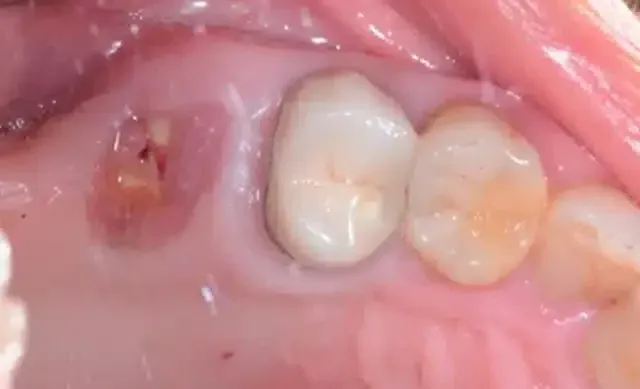
How Long Does Wisdom Teeth Pain Last After Removal?
If you’ve decided to have your wisdom teeth extracted, understanding the recovery timeline is essential. The duration of post-extraction pain depends on the individual and the complexity of the procedure.
It’s typical to experience discomfort, swelling, and sensitivity in the area where the wisdom teeth were removed. During the first few days following surgery, pain and discomfort may be more intense and can be managed with prescription painkillers or over-the-counter medications like ibuprofen or acetaminophen.
Applying cold packs to the outside of your mouth for 20-minute intervals can significantly minimize swelling and discomfort. After a few days, the pain should begin to diminish and can typically be managed with over-the-counter pain relievers alone.
Most patients experience the worst pain within the first 2-3 days after extraction, with gradual improvement thereafter. Complete healing of the extraction site typically takes several weeks, though most people return to normal activities within a week.
When to Seek Professional Help
While some discomfort during wisdom tooth eruption is normal, certain symptoms warrant immediate dental attention:
- Persistent or severe pain that doesn’t respond to over-the-counter medications
- Fever or signs of infection
- Difficulty opening your mouth or swallowing
- Excessive swelling that worsens after the first few days
- Bleeding that doesn’t stop with gentle pressure
- Pus or discharge from the gum area
If you experience any of these symptoms, contact your dentist promptly to determine the underlying cause and develop an appropriate treatment plan. Early intervention can prevent complications and ensure proper healing.
Why it helps: Gently cleans around erupting wisdom teeth where traditional flossing is difficult or painful.
Managing Wisdom Tooth Pain at Home
While waiting for your wisdom teeth to fully erupt or before your scheduled extraction, several home remedies can help manage discomfort:
- Saltwater rinses: Mix half a teaspoon of salt in warm water and gently swish around your mouth several times daily to reduce inflammation and keep the area clean.
- Cold compresses: Apply ice packs to the outside of your jaw for 15-20 minutes at a time to reduce swelling and numb pain.
- Over-the-counter pain relievers: Ibuprofen and acetaminophen can effectively manage pain and reduce inflammation when taken as directed.
- Soft food diet: Stick to soft, cool foods that don’t require extensive chewing to avoid irritating the sensitive area.
- Proper oral hygiene: Continue brushing and flossing carefully, paying special attention to the area around erupting wisdom teeth.
- Clove oil: This natural remedy has mild numbing properties and can be applied directly to the painful area with a cotton swab.
Long-Term Outlook and Prevention
Regular dental checkups are essential for monitoring the growth and development of wisdom teeth. Your dentist can use X-rays to track their progress and identify potential problems before they become serious.
In 2026, many dentists recommend proactive removal of wisdom teeth if X-rays show they’re likely to cause problems, even before symptoms develop. This preventive approach can help you avoid pain, infection, and damage to adjacent teeth.
Understanding what to expect during wisdom tooth eruption and knowing when to seek help can make the experience much more manageable. While the pain can be uncomfortable, remember that it’s temporary, and effective treatments are available to help you through this natural developmental stage.