Smoking After Tooth Extraction: The 5 Big Risks (And Why You Must Wait)
The five real risks of smoking after a tooth extraction, how long you must wait, and how to lower your dry socket risk if you cannot stop.
Disclosure: This post contains affiliate links. If you buy through them, we may earn a small commission at no extra cost to you.
If you’ve just had a tooth extraction, your dentist or oral surgeon has likely given you one critical piece of advice: avoid smoking. But for a regular smoker, this is easier said than done.
You might be asking, “How long do I really have to wait?” or “Is smoking after a tooth extraction really that bad?”
This is a dental blog post dedicated to answering that question honestly. The urge to smoke can be strong, but the risks of smoking after tooth extraction are severe and can turn a routine recovery into a painful condition.
This article will explain the dangers of smoking after tooth removal, the harmful effects of smoking on your healing process, and the absolute minimum timeline you must follow. This isn’t just a suggestion; it’s critical for your oral health.
🧮 Free tool: Use our free tooth extraction healing calculator to see what is normal for your day.
📩 Important: after you sign up, open the email from Go Fix Teeth and tap Confirm. Your PDF opens right away. Not there? Check Spam or Promotions.
Make the next few days easier
Having these basics ready at home makes the first few days more comfortable:
Ice pack head wrap
Hands-free cold therapy for the first 48 hours to limit swelling.
Check price on AmazonSterile 4×4 gauze pads
Bite down gently to control oozing on day 1. Keep extra at home.
Check price on Amazon📘 Want the full plan? Our Dental Recovery & Savings Bundle covers day-by-day care, pain relief and how to save on dental bills.
As an Amazon Associate we earn from qualifying purchases, at no extra cost to you. Always follow your dentist's instructions.
Why is Smoking After a Tooth Extraction So Bad?
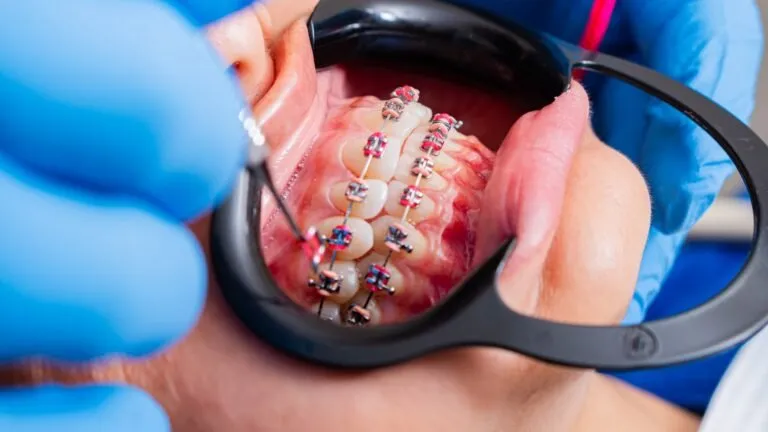
When your tooth is extracted (or tooth is pulled), it leaves an open wound in your jaw. Your body’s first step is to form in the socket a blood clot. This blood clot that forms is the most important part of your recovery.
It acts as a natural bandage, protecting the underlying bone and nerves.
Smoking after a tooth extraction is the single fastest way to destroy this healing process. The act of smoking involves two major threats:
- The Physical Act (Suction): The “sucking” or sucking action you use to inhale a cigarette (or vape, or weed) creates intense pressure and suction in your mouth. This is the same reason you cannot be using a straw. This suction can easily dislodge the fragile blood clot and cause a painful condition known as dry socket.
- The Chemical Attack: The thousands of chemicals in cigarettes (like nicotine) are toxic to your healing tissue. Smoking decreases blood flow, which starves the extraction site of the oxygen it needs to heal, making you longer to heal than non-smokers.
The #1 Danger: What is a “Dry Socket”?
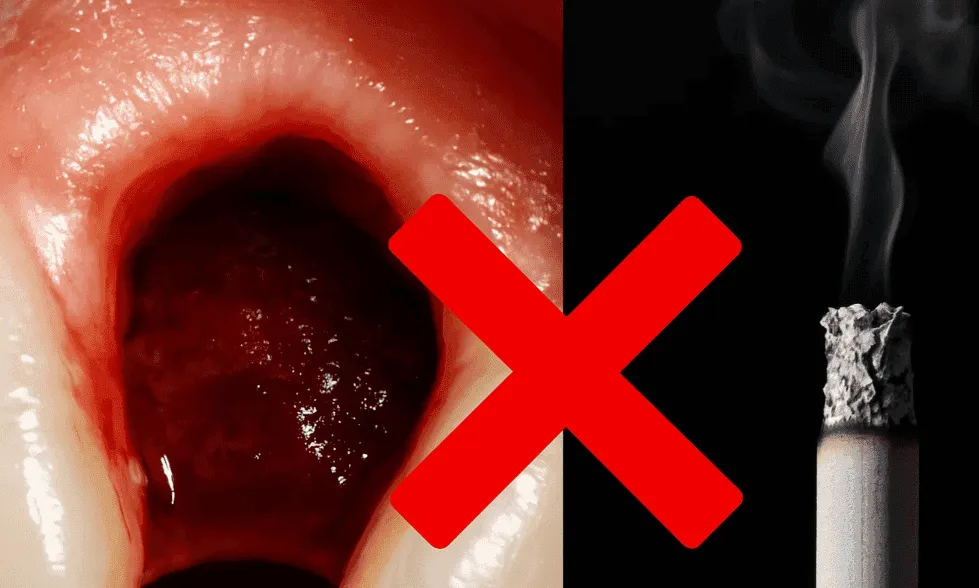
You will hear your dentist use the term “dry socket” a lot, and smoking is the number one risk factor for it.
- What it is: Dry socket (also known as alveolar osteitis) is what happens when the blood clot gets dislodged too early.
- What it feels like: This exposes the raw nerve and bone in your jaw to the air, food, and bacteria. The pain is not mild; it is often a severe pain or throbbing pain that radiates to your ear, days after the extraction.
- Why it happens: The
nicotinein tobacco use constricts blood vessels, reducing blood supply and preventing a healthy blood clot from forming, while the sucking action pulls out whatever clot does form in the socket.
This painful condition is the main reason you must avoid smoking after a tooth is extracted.
How Do the Chemicals in Cigarettes Affect the Healing Process?
Beyond the risk of dry socket, the harmful effects of smoking are significant. The chemicals in cigarettes are poisons that directly attack the extraction site.
Nicotine itself is a “vasoconstrictor,” meaning it tightens your blood vessels. This reduces the flow of oxygen and healing cells to the wound, making the healing process much slower. Furthermore, this poor blood supply makes the site much more vulnerable to infection, which can lead to more severe pain and complications.
Tobacco use also impairs your immune system, weakening your body’s ability to fight off bacteria at the wound site.
When Can I Smoke After a Tooth Extraction? (The Official Timeline)
This is the most common question. Here is the clear, non-negotiable timeline based on medical and dental advice.
The absolute, non-negotiable minimum wait time is 72 hours (3 days).
However, your risk of dry socket is still high during this time. Most dentist and oral surgeon professionals will tell you that to ensure a smooth recovery, you must avoid smoking for at least one full week (7 days).
Can I Smoke 24 Hours After a Tooth Extraction?
No. Absolutely not.
The first 24 to 48 hour period is the most critical time for the blood clot to form and stabilize. Smoking after a tooth extraction 24 hours later is the easiest way to dislodge the clot and guarantee you will get a dry socket. The sucking action will pull the new clot right out.
Do not take this risk.
Mythbuster: Can I Smoke After Tooth Extraction With Gauze?
This is a common myth, and the answer is no.
Many people think placing a gauze pad over the socket will protect it from the smoke or suction. This is incorrect. The gauze does not stop the negative pressure (suction) created in your mouth when you inhale.
The sucking action is the main problem, and a gauze pad offers almost no protection against it. The harmful effects of the chemicals in cigarettes will also still reach the wound.
What About Vaping or Smoking Weed After Tooth Extraction?
This is not a “safe alternative.” The risk is identical.
- Vaping: Still requires the same sucking action that can cause the clot to dislodge. The chemicals in vape juice can also irritate the extraction site.
- Smoking
Weed: Still requires the sucking action. The hot smoke is also a significant irritant to the healing process.
It’s best to avoid all forms of smoking or vaping for at least the 7-10 day healing period.
What Should I Do If I Smoked and Dislodged the Clot?
If you smoked and are now experiencing severe pain, throbbing pain, or can see signs of dry socket (like exposed bone), you must talk to your dentist or oral surgeon immediately.
Do not be embarrassed. Your dentist is there to help, not to judge. They need to know what happened to give you the right dental care. They will likely clean the socket and place a medicated dressing inside to relieve the pain and promote proper healing.
Tips to Quit Smoking (Even Temporarily)
We know that smoking is addictive, and this period is stressful. Here are tips for avoiding smoking while you heal:
- Use a Nicotine Patch: Talk to your dentist first, but a patch can deliver the nicotine your body craves without the dangerous sucking action or the toxic smoke.
- Stay Hydrated: Drink plenty of water.
- Practice
Good Oral Hygiene: Gently brushing your other teeth (avoiding the socket) and using a salt-water rinse (no swishing!) can make your mouth feel cleaner, reducing the urge. - Ask for Help: Let your friends and family know you are trying to avoid smoking while you heal.
- Consider This Your Chance: Many people use a dental procedure like this as the perfect motivation to quit smoking for good.
What’s Next? (Internal Links & Future Smile)
The post-extraction period requires patience. Your focus should be on proper healing.
[Internal Link 1] Our Main Healing Guide: To see what your socket should look like every day, please read our complete visual timeline: Day-by-Day Tooth Extraction Healing Stages with Pictures
[Internal Link 2] Is That Tissue Normal? If you see new pink or white tissue, that’s a good sign. Learn all about it here: Pictures of Granulation Tissue After Tooth Extraction
After Your Mouth Has Fully Healed: Once your dentist has confirmed your oral health is fully restored (weeks after the extraction), you may be concerned about stains from past smoking habits.
(Important: Do not use whitening products on a healing wound. Wait 4-6 weeks.)
If you are looking for a safe and effective way to remove stains once you have fully healed, see our guide to the best teeth whitening kits for enamel-safe options.

Conclusion: A Bullet-Point Summary
If you are a smoker who just had a tooth extraction, remember these key points:
- DO NOT SMOKE for a minimum of 72 hours (3 days). A full 7-10 days is much safer.
- The
sucking actionfrom a cigarette (or vape/weed) is the primary risk factor and can dislodge the blood clot, causing apainful condition known as dry socket. - Placing
gauzeover the socket will not protect it from the suction. - The
chemicals in cigarettes(likenicotine) starve the extraction site of oxygen and slow down the healing process. - Talk to your dentist about using a nicotine patch as a temporary, safer alternative.
- Consider this a powerful opportunity to quit smoking and improve your overall health.
Dangerous home “hacks” to avoid
- Aspirin on the gum or tooth. Aspirin is an acid; it chemically burns the gum and does nothing for the pain. Swallow pain relievers as the label directs, never place them.
- Undiluted clove oil on an open wound or socket. A trace on a tooth can numb briefly; neat clove oil on gum tissue or a fresh socket causes burns and delays healing.
- Rinsing with alcohol, whisky, or hydrogen peroxide. They dry and irritate tissue, disturb a healing clot, and interact with pain relievers. Warm salt water is enough.
- Popping or draining a swelling yourself. Pushing on an abscess can spread the infection. Cold outside the cheek, and a dentist today.
- Leftover or borrowed antibiotics. They mask symptoms for a few days, breed resistant bacteria, and the tooth still needs treatment.
- Heat on a swollen face. Heat increases blood flow and swelling around an infection; use cold until a dentist has seen it.
The Dental Recovery & Savings Bundle gives you a day-by-day recovery calendar (what’s normal, what to eat, when to call your dentist), plus 4 scripts to lower your next dental bill. Instant PDF, $12, 30-day money-back promise.
Get the recovery bundle →
Products that can help
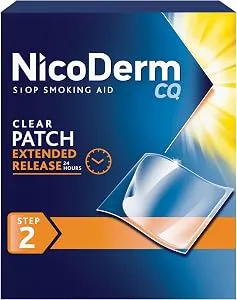
NicoDerm CQ Step 1 Nicotine Patches (21mg)
Why it helps:
- Zero Oral Suction: Delivers controlled nicotine through the skin, completely bypassing the mouth to eliminate dry socket suction risks.
- 24-Hour Withdrawal Support: Helps curb intense post-extraction cigarette cravings during the critical initial 48 to 72-hour healing window.
- Non-Irritating to Gums: Prevents exposure to hot smoke, toxins, and carbon monoxide that impair local blood flow and tissue repair.

LotFancy Wisdom Teeth Ice Pack Head Wrap
Why it helps:
- Hands-Free Compression: Adjustable wrap holds gel packs securely against your jawline to ease throbbing and reduce swelling.
- Targeted Cold Therapy: Numbs acute extraction-site discomfort, helping ease the physical restlessness that triggers urges to smoke.
- Reusable Gel Inserts: Includes four hot/cold packs so you can rotate them continuously throughout the first days of recovery.
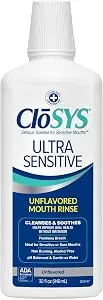
CloSYS Ultra Sensitive Mouthwash (Alcohol-Free, Unflavored)
Why it helps:
- Non-Stinging Formula: Free of alcohol and harsh flavoring agents, keeping sensitive surgical sites clean without burning raw tissue.
- Freshens Breath Gently: Neutralizes sulfur compounds and bacteria that cause post-surgery mouth odor when normal brushing is limited.
- Safe for Gentle Rinsing: Ideal for gentle gravity baths (tilting the head rather than vigorous swishing) to protect the healing blood clot.
As an Amazon Associate we earn from qualifying purchases. Recommendations are based on published guidance and verified owner reviews, not sponsorship.