
Plaque vs Tartar: What Is the Difference and How to Prevent Both
Plaque and tartar are not the same thing. Here is how each forms, why tartar matters for your gums, and how to keep both under control.
Reviewed on October 30, 2026 · How medical review works
Disclosure: This post contains affiliate links. If you buy through them, we may earn a small commission at no extra cost to you.
This article is general education, not a diagnosis or a substitute for care from a licensed dentist or doctor.
People use the words plaque and tartar as if they mean the same thing. They do not, and the difference explains why regular dental visits matter.
📩 Important: after you sign up, open the email from Go Fix Teeth and tap Confirm. Your PDF opens right away. Not there? Check Spam or Promotions.
Instant PDF · $12
The Dental Recovery & Savings Bundle
A day-by-day recovery calendar (what’s normal, what to eat, when to call your dentist) plus 4 word-for-word scripts to lower your next dental bill. 30-day money-back promise.
Get the bundle →Key takeaways
- Plaque is a sticky bacterial film on the teeth; it can cause cavities and gum disease.
- If plaque is not removed daily, it can harden into tartar (calculus).
- Tartar above the gum line can lead to swollen, bleeding gums, an early stage of gum disease called gingivitis.
- Prevent both with fluoride toothpaste twice a day, daily cleaning between teeth and regular dentist visits.
What plaque is
Plaque is a sticky film that covers your teeth, according to the ADA. It contains bacteria that can contribute to tooth decay and gum disease. After you eat or drink something with sugar, those bacteria release acids that attack tooth enamel. Repeated attacks can break down enamel and eventually cause cavities.
What tartar is
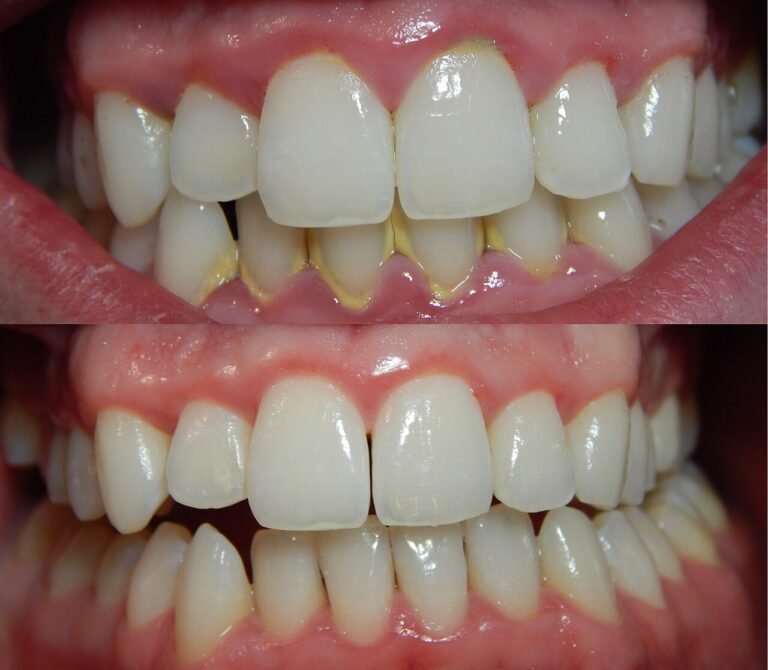
Tartar, also called calculus, forms when plaque is not removed by thorough daily brushing and cleaning between the teeth. The plaque hardens, and once it has, it becomes harder to keep teeth clean. When tartar builds up above the gum line, the gums can swell and bleed easily. The ADA calls this early stage of gum disease gingivitis.
The difference in one line
Plaque is a soft film that daily cleaning can remove. Tartar is plaque that was left long enough to harden.
How to prevent both
- Brush twice a day with fluoride toothpaste.
- Clean between your teeth daily with floss or another interdental cleaner.
- See your dentist regularly.
Pay special attention to the places a brush reaches poorly, like along the gum line and the back teeth.
What if I already have tartar?
The ADA page we reviewed does not describe how tartar is removed, so we will not guess. Ask your dentist how often you should be seen and what they recommend for the buildup you have. Do not scrape it yourself with sharp tools, because you can hurt your gums and teeth.
Signs it is time to book a visit
- Gums that bleed easily when you brush or floss
- Swollen or tender gums
- Persistent bad breath
- Visible hard buildup near the gum line
Plaque that stays long enough is what leads to gum trouble. Our pages on reversing gingivitis and bleeding gums when flossing show what happens next, and the best cordless water flosser and best toothpaste for gingivitis guides compare everyday tools.
Tools that help keep plaque in check
Daily cleaning between teeth and brushing are what stop plaque hardening into tartar. These are tools people use for that. We have not tested these products; the details below come from the listings and brands, and prices and availability change often.
Oral-B iO Series 3 Rechargeable Electric Toothbrush
A rechargeable electric toothbrush with three modes (including Sensitive), a pressure sensor and a two-minute timer. The listing shows about 4.3 stars from roughly 19,400 ratings. Electric toothbrushes can make a thorough two-minute routine easier, but technique matters more than any gadget.
GUM Proxabrush Go-Betweens Tight Interdental Brushes (15 count)
Small, soft interdental brushes for cleaning between teeth, which the ADA says to do once a day. The listing shows about 4.7 stars from roughly 9,700 ratings and a price near $8. Choose the right size for your gaps and ask your dentist or hygienist if you are unsure.
Colgate Cavity Protection Fluoride Toothpaste (6-pack)
A plain fluoride toothpaste. The listing states it is ADA Accepted, which means it carries the ADA Seal of Acceptance; check the tube to confirm. It shows about 4.7 stars from more than 83,000 ratings, and the six-pack was around $11.
Product mentions are not medical advice. Ask your dentist what fits you.
If you want to step up (higher-priced options)
Upgrade note: the ADA says neither electric nor manual toothbrushes are clearly better for cleaning, and the right choice depends on what you will use consistently. These are options for people who want a step up, not a requirement. Ask your dentist what suits your mouth.
Oral-B iO5 Rechargeable Electric Toothbrush (with 3 brush heads and travel case)
A premium-priced rechargeable brush; the listing describes five cleaning modes and a visual pressure sensor meant to help you avoid brushing too hard. It shows about 4.4 stars from roughly 4,500 ratings.
Philips Sonicare DiamondClean 9000 Electric Toothbrush Bundle
A higher-end Sonicare model sold as a bundle. It shows about 4.5 stars, though on a smaller base of roughly 400 ratings, so read recent reviews before you buy.
Waterpik Aquarius Countertop Water Flosser (10 settings, 7 tips)
A countertop water flosser with adjustable pressure, often used around braces, implants and bridges. It shows about 4.6 stars from a very large base of roughly 158,600 ratings.
Frequently asked questions
Is plaque the same as tartar?
No. Plaque is a sticky film of bacteria that covers the teeth. If it is not removed, it can harden into tartar, also called calculus.
Can I remove tartar at home?
The ADA page we reviewed does not describe home removal. It stresses preventing buildup with brushing, daily cleaning between teeth and regular dental visits. Ask your dentist about tartar you already have.
Does tartar cause gum disease?
Tartar above the gum line can make the gums swell and bleed easily. The ADA calls this early stage of gum disease gingivitis.
How often should I brush?
The ADA recommends brushing twice a day with fluoride toothpaste and cleaning between your teeth daily.