Tooth Extraction Healing White Stuff: What It Is and When to Worry (2026 Guide)
After undergoing a tooth extraction, you might notice something white or yellowish forming around the extraction…
After undergoing a tooth extraction, you might notice something white or yellowish forming around the extraction site. This can be alarming if you’re not sure what you’re looking at. Is it normal? Is it infection? Should you be worried? Understanding what this white material is and how to properly care for your healing extraction site is crucial for a smooth, complication-free recovery. In this comprehensive 2026 guide, we’ll walk you through everything you need to know about the white stuff that appears during tooth extraction healing.
What Is the White Stuff on Your Healing Extraction Site?
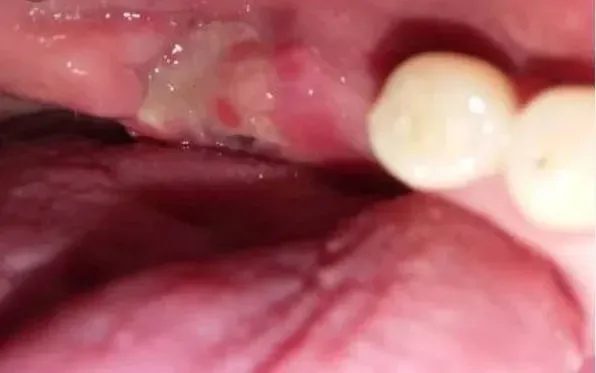
The white or off-white material you see on your healing extraction site is typically granulation tissue—a vital component of your body’s natural healing process. This tissue consists of new connective tissue and tiny blood vessels that form on the surface of a healing wound. It may appear as small white, yellowish, or even slightly grayish particles with a soft, somewhat grainy texture.
In addition to granulation tissue, the white appearance can also be caused by:
- Fibrin clots: A whitish-yellow protein that forms part of the blood clotting process
- New epithelial cells: Fresh skin cells growing over the wound
- Food debris: Small particles mixed with saliva and healing tissue
- Bone exposure: In some cases, the white color might be exposed bone, which requires dental attention

Why it helps: Specially formulated alcohol-free rinses promote healing and keep extraction sites clean without disrupting blood clots.
Is White Stuff on Your Extraction Site Normal?
Yes, in most cases, the presence of white material on a healing tooth extraction site is completely normal and actually a positive sign. It indicates that your body is actively working to repair the wound and close the socket left behind by the extracted tooth. This is part of the natural healing stages after tooth extraction, which typically progress in a predictable pattern over several weeks.
However, it’s important to distinguish between normal healing tissue and signs of complications like dry socket or infection, which we’ll discuss later in this guide.
What Causes the White Appearance During Healing?
Understanding the biological processes behind the white stuff can help ease your concerns:
Granulation Tissue Formation
Within 24-48 hours after extraction, your body begins forming granulation tissue. This specialized tissue is rich in blood vessels and provides the foundation for new gum tissue to develop. It naturally appears white or pale pink and has a slightly bumpy texture.
Fibrin Accumulation
Fibrin is a fibrous protein that plays a crucial role in blood clotting. After extraction, fibrin strands form a mesh-like structure over the wound, creating a protective barrier. This fibrin network often appears as white or yellowish material and is essential for proper healing.
Epithelialization
As healing progresses, epithelial cells (the cells that form the outer layer of your gums) begin migrating across the wound surface. This new tissue growth can create a whitish appearance as fresh cells cover the extraction site.
Oral Environment Factors
Your mouth contains saliva, bacteria, and food particles that can interact with the healing tissue. This mixture can contribute to the white or off-white appearance you observe, especially in the first few days after extraction.
How Long Does the White Stuff Last?
The timeline for the white material on your extraction site varies based on several factors:
- Days 1-3: Initial fibrin clot formation; white/yellow material most visible
- Days 4-7: Granulation tissue develops; white appearance may intensify before fading
- Days 8-14: Granulation tissue matures and begins transforming into normal gum tissue
- Weeks 3-4: Most white material should be replaced by pink, healthy gum tissue
- Months 2-3: Complete soft tissue healing; socket continues filling with bone
Your individual healing rate depends on factors like your age, overall health, oral hygiene, whether you smoke, and the complexity of the extraction. Simple extractions typically heal faster than surgical extractions or wisdom tooth removals.
Why it helps: Extra-soft bristles allow you to maintain oral hygiene without disturbing healing extraction sites or causing discomfort.
How to Properly Care for Your Healing Extraction Site
Proper aftercare is essential for preventing complications and promoting optimal healing. Here’s what you should do in 2026:
First 24 Hours
- Bite down gently on gauze for 30-45 minutes to control bleeding
- Avoid rinsing, spitting, or using straws (suction can dislodge the blood clot)
- Apply ice packs to your face in 20-minute intervals to reduce swelling
- Rest with your head elevated
- Take prescribed pain medication as directed
Days 2-7
- Begin gentle saltwater rinses after 24 hours (½ teaspoon salt in 8 oz warm water, 3-4 times daily)
- Brush your teeth carefully, avoiding the extraction site
- Stick to soft foods like yogurt, mashed potatoes, smoothies, and soup
- Avoid hot, spicy, crunchy, or hard foods that could irritate the site
- Continue taking any prescribed antibiotics as directed
Week 2 and Beyond
- Gradually reintroduce normal foods as comfort allows
- Continue gentle brushing and rinsing
- Attend your follow-up appointment if scheduled
- Monitor the site for signs of proper healing
What to Avoid
- Smoking: Dramatically increases risk of dry socket and slows healing—avoid for at least 72 hours, preferably longer
- Alcohol: Can interfere with blood clotting and interact with medications
- Vigorous rinsing: Can dislodge the protective blood clot
- Touching the site: Keep fingers and tongue away from the extraction area
- Straws: The suction can cause dry socket
When White Stuff Signals a Problem
While white material is usually normal, certain signs indicate you should contact your dentist immediately:
Dry Socket (Alveolar Osteitis)
This painful condition occurs when the blood clot dislodges or dissolves prematurely, exposing bone. Signs include:
- Severe pain that starts 2-4 days after extraction
- Visible bone in the socket (appears white or grayish)
- Bad taste or odor in your mouth
- Pain radiating to your ear, eye, or neck
- Partial or complete loss of the blood clot
Infection
If the white material is accompanied by these symptoms, you may have an infection:
- Increasing pain after the first few days
- Swelling that worsens or doesn’t improve
- Fever above 100.4°F (38°C)
- Foul-smelling discharge or pus
- Difficulty swallowing or breathing
- Persistent bad taste despite rinsing
Other Warning Signs
- Excessive bleeding: Bleeding that continues beyond 24 hours or restarts heavily
- Loose sutures: Stitches that come undone before they should
- Numbness: Persistent numbness beyond the anesthetic wearing off
- Difficulty opening your mouth: Severe trismus (lockjaw) that worsens
If you’re experiencing pain 7 days after extraction or notice any concerning symptoms, don’t wait—contact your dentist right away.
Why it helps: Reusable gel packs conform to your face and provide consistent cold therapy to reduce swelling and discomfort after extraction.
Distinguishing Normal Healing from Complications
Here’s a quick reference guide to help you assess your healing progress:
Normal Healing Signs
- White or yellowish granulation tissue
- Gradually decreasing pain and swelling
- Mild discomfort that responds to over-the-counter pain relievers
- Pink tissue gradually replacing white material
- Slight bleeding in the first 24 hours
- Socket gradually filling in and shrinking
Concerning Signs
- Pain that increases after day 3-4
- Bright white bone visible in the socket
- Green, gray, or brown discharge
- Swelling that spreads to your face or neck
- Fever or chills
- Difficulty breathing or swallowing
Tips for Faster, Smoother Healing in 2026
Modern dental care in 2026 emphasizes holistic healing approaches. Here are evidence-based strategies to optimize your recovery:
Nutrition for Healing
- Protein: Essential for tissue repair—include Greek yogurt, eggs, protein shakes
- Vitamin C: Supports collagen formation—try smoothies with berries
- Vitamin A: Promotes epithelial tissue growth—found in sweet potatoes, carrots
- Zinc: Aids wound healing—present in pumpkin seeds, chickpeas
- Hydration: Drink plenty of water to support cellular function
Oral Hygiene Best Practices
- Use an alcohol-free antimicrobial mouthwash after 24 hours
- Consider a water flosser on low setting to clean around (not in) the extraction site
- Replace your toothbrush after extraction to avoid reintroducing bacteria
- Rinse gently after meals to remove food debris
Lifestyle Modifications
- Get adequate sleep—your body heals most effectively during rest
- Avoid strenuous exercise for 3-5 days to prevent bleeding
- Manage stress, which can slow healing
- Follow medication schedules precisely
Frequently Asked Questions About Extraction Site Healing
Can I remove the white stuff myself?
No, you should never try to remove the white material yourself. It’s part of your body’s healing process, and disturbing it can lead to complications like dry socket, infection, or delayed healing. Let it resolve naturally.
Should I be worried if the white stuff has a bad smell?
A mild odor is normal during healing, but a strong, foul smell accompanied by bad taste, pain, or discharge could indicate infection. Contact your dentist if you’re concerned.
Is it normal for the white stuff to come off in pieces?
Yes, as granulation tissue matures and is replaced by permanent gum tissue, small pieces may naturally slough off. This is normal as long as you’re not experiencing pain or other concerning symptoms.
How can I tell if it’s healing tissue or exposed bone?
Healing granulation tissue is typically soft, slightly moist, and may have a bumpy texture. Exposed bone appears hard, smooth, bright white or grayish, and is usually accompanied by significant pain. If you suspect exposed bone, contact your dentist immediately.
The Bottom Line on Tooth Extraction Healing
Seeing white stuff on your healing tooth extraction site is typically a normal and even encouraging sign that your body is doing exactly what it should—repairing the wound and building new tissue. In most cases, this white material consists of granulation tissue, fibrin, and new epithelial cells that will gradually transform into healthy pink gum tissue over the course of several weeks.
The key to successful healing is following your dentist’s post-extraction instructions carefully, maintaining good oral hygiene without disturbing the site, eating nutritious soft foods, and staying alert for warning signs of complications. Most people heal without any issues, but knowing when to seek professional help can prevent minor concerns from becoming serious problems.
If you experience severe or worsening pain, signs of infection, excessive bleeding, or any symptoms that concern you, don’t hesitate to contact your dentist. They can evaluate your healing progress and provide appropriate treatment if needed. With proper care and attention, your extraction site should heal completely, leaving you with a healthy mouth and one less thing to worry about in 2026.