Root Canal or Pull Tooth? How to Decide (2026 Costs)
Root canal or pull the tooth? Compare cost over time (including implants and bridges), success, recovery and when each option makes sense in 2026.
✅ Quick answer
If the tooth can be saved, a root canal is usually the better long-term choice: you keep your natural tooth, and a root canal plus crown often costs less than pulling the tooth and replacing it with an implant or bridge. Pulling the tooth is cheaper on day one (about $150–$600), but replacing it typically adds $3,000–$6,000 or more. Extraction makes more sense when the tooth is cracked below the gum, has too little structure left, or has poor bone support. Typical 2026 US estimates; they vary by region and insurance.
When a tooth is badly infected or decayed, many people hear two options in the same breath: save it with a root canal, or take it out. The extraction sounds quicker and cheaper, and the root canal sounds like the thing everyone dreads. But the price on the first bill is only part of the story, and the choice affects your bite, your neighboring teeth and your wallet for years.
This guide compares a root canal with pulling the tooth: what each costs up front and over time, how well each tends to work, and the factors your dentist looks at when recommending one over the other.
📩 Important: after you sign up, open the email from Go Fix Teeth and tap Confirm. Your PDF opens right away. Not there? Check Spam or Promotions.
Root canal vs pulling a tooth: cost comparison
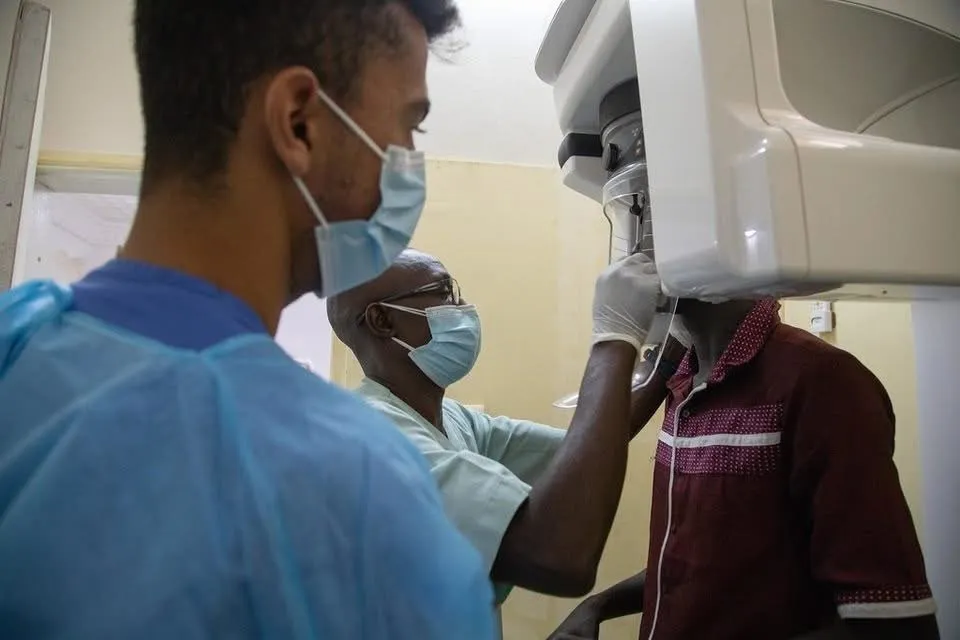
Here is how the main paths compare for a back tooth (molar), without insurance:
| Option | Typical total cost | Keeps natural tooth? |
|---|---|---|
| Root canal + crown | $2,000–$4,300 | Yes |
| Extraction only | $150–$600 | No (gap remains) |
| Extraction + implant | $3,500–$6,500 | No (replaced) |
| Extraction + bridge | $3,000–$6,000 | No (replaced) |
| Extraction + partial denture | $800–$2,500 | No (removable) |
Typical 2026 US estimates; they vary by region and insurance. A root canal alone usually runs about $700–$1,100 on a front tooth, $800–$1,300 on a premolar and $1,000–$1,800 on a molar. A crown typically adds $1,000–$2,500. Implant totals usually include the extraction, implant post, abutment and crown, and may add a bone graft. For a full crown price breakdown, see our guide to tooth crown cost.
Cost over time: why “cheaper” can cost more
Pulling a tooth is almost always the cheapest option on the day of treatment. The question is what happens next.
If you leave the gap, the teeth around it can slowly tip or drift into the space, and the opposing tooth can grow down toward it. Chewing shifts to other teeth, and the jawbone where the tooth was tends to shrink over time. None of this happens overnight, but it can make a later implant or bridge more complicated and more expensive, sometimes requiring a bone graft first.
If you replace the tooth, you are usually spending more than a root canal and crown would have cost. A bridge also requires shaping the healthy teeth on either side, and those teeth then carry extra load. An implant doesn’t affect neighboring teeth, but it means surgery and several months of healing before the final crown.
A root canal has its own long-term costs: the crown may need replacement after many years, and occasionally a treated tooth needs a second root canal (retreatment) or minor surgery at the root tip. Still, for a tooth with good support, saving it is often the lowest-cost path over a decade.
Success: how well does each option work?
Both root canals and implants have a strong track record when they are a good fit for the tooth and the patient.
- Root canal. The Cleveland Clinic describes root canal treatment as highly successful, and many treated teeth last for the rest of a person’s life, especially when they are protected with a crown and kept clean. Success is lower when the tooth is cracked, has very little structure left, or the infection keeps returning.
- Implant. Dental implants are also considered very reliable. They depend on healthy bone, healthy gums, and habits like not smoking. Implants can’t get cavities, but the gum and bone around them can still become inflamed if they aren’t cleaned well.
- Bridge. Bridges work well for many people, but they rely on the supporting teeth. Decay or gum disease under a bridge can affect more than one tooth.
In short, an implant is a good replacement, but it is still a replacement. Most dentists prefer to keep a natural tooth when it has a reasonable chance of lasting.
Useful on Amazon for this job
As an Amazon Associate we earn from qualifying purchases. Always confirm fit for your exact vehicle or ask your dentist.
The Dental Recovery & Savings Bundle includes 4 ready-to-use scripts to lower your dental bill, so you know what to ask the front desk about fees, payment plans and insurance estimates before you choose. You also get a printable day-by-day recovery calendar for after your root canal or extraction. Instant PDF, $12, 30-day money-back promise.
Get the savings scripts →
When a root canal is usually the better choice
Your dentist is more likely to recommend saving the tooth when:
- There is enough healthy tooth left above the gum to hold a crown
- The bone and gum around the tooth are healthy
- The crack, if any, is limited and doesn’t run down into the root
- The tooth is important for chewing or appearance, such as a front tooth or a first molar
- You want to avoid surgery and the longer timeline of an implant
Many people avoid root canals because they expect them to hurt. With modern numbing, most people say the procedure feels similar to getting a large filling, and it relieves the pain from the infection. Read more in does a root canal hurt.
When pulling the tooth may make more sense
Extraction may be the better option when:
- The tooth is split or cracked below the gumline, especially a vertical root fracture
- Too little tooth remains to support a crown, even with a post and build-up
- Advanced gum disease has left the tooth loose with little bone support
- A previous root canal has failed and retreatment isn’t likely to succeed
- The tooth isn’t needed, such as some wisdom teeth
- Budget is very tight right now and the alternative is leaving an infection untreated
That last point matters. An infected tooth should not be left alone. If a root canal and crown aren’t possible right now, removing the tooth stops the infection and you can plan a replacement later. If you are in pain and need help fast, see I need a tooth pulled immediately.
Recovery: root canal vs extraction
Root canal: most people go back to normal activities the same day or the next. The tooth may feel tender for a few days. You’ll usually need a second visit for the permanent crown, and you should avoid chewing hard foods on the tooth until it’s protected.
Extraction: a simple extraction usually heals over one to two weeks, with the first few days the most uncomfortable. A surgical extraction takes longer. You’ll need to protect the blood clot to avoid dry socket. If you choose an implant, the full process can take several months from extraction to final crown.
Questions to ask your dentist
- What is the long-term outlook for this tooth if we save it?
- Will I need a crown, a post or a build-up, and what is the total cost?
- If we pull it, what would you recommend to replace it, and when?
- Should I see an endodontist (root canal specialist) for a second opinion?
- Can you send a pre-treatment estimate to my insurance for both options?
See a dentist promptly if…
- You have a tooth that throbs, keeps you awake, or hurts to bite on
- Pain to hot or cold lingers after the drink is gone
- There is a pimple-like bump on the gum near the tooth
- A tooth has darkened or feels loose
Seek emergency care right away for facial swelling that is spreading, fever with tooth pain, or trouble swallowing or breathing. These can be signs of a serious infection.
Frequently asked questions
Is it cheaper to pull a tooth or get a root canal?
Pulling is cheaper on the day, but replacing the tooth with an implant or bridge usually costs more than a root canal and crown combined.
Can I just pull the tooth and not replace it?
Sometimes, especially for a back tooth that isn’t needed for chewing. Over time, though, nearby teeth can shift. Ask your dentist what a gap would mean for your bite.
Is a root canal better than an implant?
Both work well in the right situation. If your natural tooth has a good outlook, most dentists recommend saving it first.
Does insurance cover a root canal or extraction?
Many plans cover root canals and extractions at a higher percentage than implants, which are often limited or excluded. Check your plan’s major services and annual maximum.
Do I always need a crown after a root canal?
Back teeth usually need one because they take heavy chewing forces. Some front teeth can be restored with a filling instead, depending on how much tooth is left.
Sources
- Cleveland Clinic. Root Canal.
- Cleveland Clinic. Dental Implants.
- American Dental Association, MouthHealthy. Implants.
- American Dental Association, MouthHealthy. Crowns.
- MedlinePlus. Tooth Decay.
This article is for general education and does not replace advice from your dentist, who can examine your tooth and X-rays and tell you which option fits your situation.