When Can I Use Mouthwash After Wisdom Tooth Extraction?
When you can use mouthwash after wisdom tooth extraction: no rinsing for 24 hours, then gentle salt water, alcohol-free options and a day-by-day timeline.
✅ Quick answer
Typical guidance is no rinsing at all for the first 24 hours after wisdom tooth extraction, then gentle warm salt water rinses a few times a day, especially after meals. Many surgeons suggest waiting about a week before regular mouthwash, and choosing an alcohol-free one when you start. If your surgeon prescribed chlorhexidine, follow their exact instructions, because their advice for your mouth comes first.
After wisdom teeth come out, keeping your mouth clean matters, but so does protecting the blood clots forming in the sockets. Those clots are the base for healing, and swishing too hard or too early can disturb them. That is why the question of when to use mouthwash comes up so often.
This guide explains the usual timeline for rinsing and mouthwash, which products tend to be gentler, how to rinse without dislodging the clot, and the signs that mean you should call your surgeon or dentist.
📩 Important: after you sign up, open the email from Go Fix Teeth and tap Confirm. Your PDF opens right away. Not there? Check Spam or Promotions.
Make the next few days easier
Having these basics ready at home makes the first few days more comfortable:
Ice pack head wrap
Hands-free cold therapy for the first 48 hours to limit swelling.
Check price on AmazonSterile 4×4 gauze pads
Bite down gently to control oozing on day 1. Keep extra at home.
Check price on Amazon📘 Want the full plan? Our Dental Recovery & Savings Bundle covers day-by-day care, pain relief and how to save on dental bills.
As an Amazon Associate we earn from qualifying purchases, at no extra cost to you. Always follow your dentist's instructions.
Mouthwash after wisdom tooth extraction: timeline
Here is a typical timeline. Your surgeon’s written instructions may differ, and if they do, follow theirs.
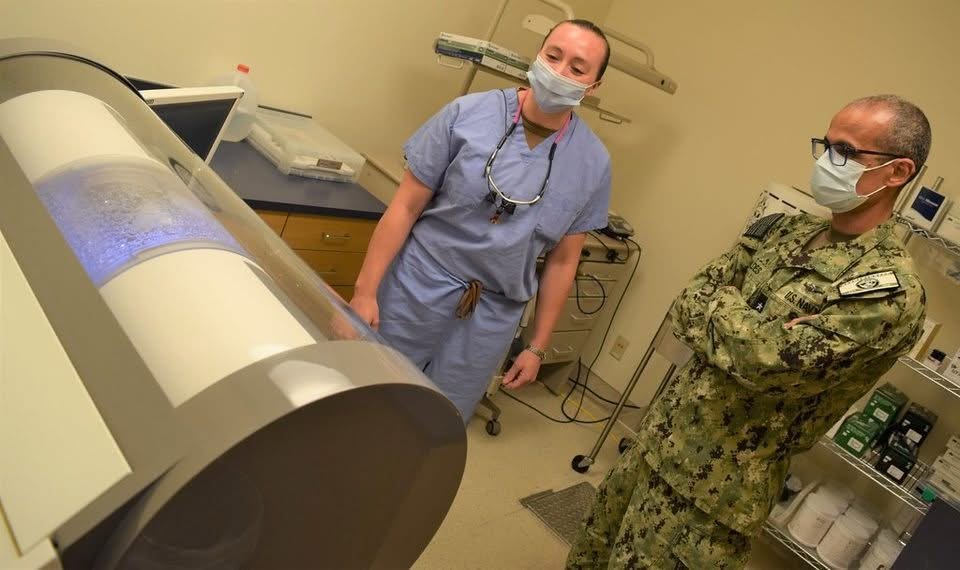
| Time after surgery | Rinsing | Mouthwash |
|---|---|---|
| First 24 hours | No rinsing or spitting | Avoid |
| Days 2–3 | Gentle warm salt water, after meals | Only if prescribed |
| Days 4–7 | Keep salt water rinses going | Only if prescribed or approved |
| After about 1 week | Normal gentle rinsing | Alcohol-free mouthwash, gently |
| Fully healed (weeks later) | Normal routine | Your usual mouthwash |
Healing speed varies. Simple extractions often settle faster than surgical removal of impacted teeth, and people who smoke or have certain health conditions may heal more slowly. If you are unsure where you are on the timeline, call the office that did the surgery and ask.
Why you shouldn’t rinse in the first 24 hours
When a tooth is removed, a blood clot forms in the empty socket. It protects the bone and nerves underneath and acts as a framework for new tissue. In the first day, that clot is fragile. Swishing, spitting, drinking through a straw and smoking all create pressure or suction that can pull it loose.
If the clot is lost too early, the socket can develop dry socket. Cleveland Clinic describes dry socket as a painful condition in which the clot is dislodged or dissolves before the wound heals, leaving bone exposed. It often causes pain that gets worse a few days after surgery, sometimes spreading to the ear, along with a bad taste or smell. The NHS also advises against rinsing your mouth for the first 24 hours after wisdom tooth removal.
If you already rinsed by accident, do not panic. Many people do and heal normally. See I accidentally rinsed my mouth after a tooth extraction for what to watch for.
How to rinse safely after the first day
Warm salt water
After the first 24 hours, warm salt water is the rinse most surgeons recommend. It is gentle, inexpensive and helps clear food from the area. A common mix is about half a teaspoon of salt in a glass of warm (not hot) water, but use whatever your surgeon suggests.
The gentle technique
- Take a small sip and tilt your head slowly from side to side so the water moves over the sockets.
- Do not swish hard or puff out your cheeks.
- Lean over the sink and let the water fall out of your mouth. Do not spit forcefully.
- Repeat a few times, especially after meals and before bed.
Some surgeons give you a small plastic syringe to flush food out of lower sockets, usually starting a few days after surgery. Use it only when and how they tell you.
Which mouthwash is best after wisdom teeth removal?
Prescription chlorhexidine
Some surgeons prescribe a chlorhexidine rinse to help control bacteria while you heal. If you were given one, follow the exact timing and dose on your instructions, including when to start. Chlorhexidine can temporarily change your sense of taste and may stain teeth with longer use, so it is usually prescribed for a limited time. Do not swap it for a store-bought product without asking.
Alcohol-free over-the-counter mouthwash
When you get the go-ahead to use regular mouthwash, an alcohol-free formula is usually the gentler choice. Alcohol can sting the healing tissue and dry out your mouth. Rinse gently, the same way you rinse with salt water, and dilute it if your surgeon suggests that.
What to avoid early on
- Strong alcohol-based mouthwashes in the first week or so
- Hydrogen peroxide rinses unless your surgeon specifically recommends them
- Vigorous swishing, gargling hard or spitting
- Water flossers aimed at the sockets until your surgeon says it is safe
Useful on Amazon for this job
As an Amazon Associate we earn from qualifying purchases. Always confirm fit for your exact vehicle or ask your dentist.
The Dental Recovery & Savings Bundle includes a printable day-by-day recovery calendar so you can check off rinses, track swelling and pain, and see what usually comes next after an extraction. You also get 4 ready-to-use scripts to lower your dental bill. Instant PDF, $12, 30-day money-back promise.
Get the recovery calendar →
Why the timing can differ for you
Not every extraction is the same. If your wisdom teeth were fully erupted and came out easily, your sockets may close faster and your surgeon may clear you for regular mouthwash sooner. If the teeth were impacted, needed bone removal or had stitches placed, your surgeon may want you on salt water, or a prescription rinse, for longer. Stitches, whether they dissolve on their own or need removal, are another reason to rinse gently, since strong swishing can tug at them. If you had an infection before surgery, or you have a condition that affects healing, your instructions may also be stricter. When in doubt, a short call to the office is the safest way to check before you switch products.
Other ways to keep your mouth clean while you heal
- Brush your other teeth from the first night or next morning, as your surgeon allows, being careful near the sockets.
- Use a soft-bristled toothbrush and avoid scrubbing directly on the wounds for the first several days.
- Eat soft foods that are less likely to get stuck, such as yogurt, eggs, mashed potatoes and smoothies (eaten with a spoon, not a straw).
- Drink plenty of water, sipping from a glass.
- Avoid smoking and vaping for as long as your surgeon recommends, since both raise the risk of dry socket.
For a full recovery plan covering swelling, pain and food, see our wisdom teeth removal aftercare guide.
Signs something isn’t right
Some pain, swelling and oozing are normal for the first few days. Swelling often peaks around the second or third day and then starts to go down. If you think the clot has come out, read tooth extraction blood clot fell out.
Call your surgeon or dentist promptly if…
- Pain gets worse two to four days after surgery instead of better
- You can see bone in the socket, or notice a bad taste or smell that does not go away
- Bleeding keeps going despite firm pressure on gauze for 30 to 60 minutes
- Swelling increases after the third day, or pus appears
- Numbness in the lip, chin or tongue lasts after the anesthetic should have worn off
Seek emergency care right away, or call 911, for heavy bleeding that will not stop, a high fever, swelling spreading to the eye or neck, or trouble swallowing or breathing.
Frequently asked questions
Can I use Listerine after wisdom tooth extraction?
Many surgeons suggest waiting about a week before using a regular mouthwash, and choosing an alcohol-free version when you start. Ask your surgeon what they prefer.
When can I rinse my mouth after wisdom tooth removal?
Usually not for the first 24 hours. After that, gentle warm salt water rinses are commonly recommended, especially after eating.
Is it OK to swallow salt water after rinsing?
A small amount is not usually a problem, but the goal is to let the water fall out of your mouth gently rather than spitting.
Can mouthwash cause dry socket?
Mouthwash itself is not the usual cause, but forceful swishing and spitting in the first days can disturb the clot. Gentle technique matters most.
Can I use mouthwash 3 days after wisdom tooth extraction?
Only if your surgeon prescribed or approved it. Otherwise, most people stick with gentle salt water rinses until about a week after surgery.
How long should I use chlorhexidine after extraction?
Use it only for the time your surgeon prescribes. It is generally meant for short-term use.
Sources
- NHS. Wisdom Tooth Removal.
- Cleveland Clinic. Dry Socket.
- Mayo Clinic. Impacted Wisdom Teeth.
- MedlinePlus. Dental Health.
This article is for general education and does not replace the instructions from your oral surgeon or dentist, which should always come first.