
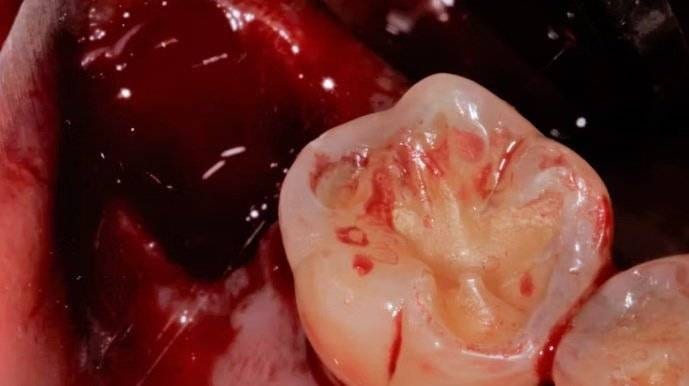
Tooth Extraction Bleeding After 2 Hours: What’s Normal and When to Worry in 2026
If you’ve had a tooth pulled and notice bleeding continuing after two hours, you’re likely wondering…
If you’ve had a tooth pulled and notice bleeding continuing after two hours, you’re likely wondering whether this is normal or a cause for concern. The good news is that some bleeding after tooth extraction is completely expected, especially during the first 24 hours. However, understanding when bleeding becomes excessive and what steps to take can help you avoid complications and ensure proper healing.
In this comprehensive guide, we’ll walk you through everything you need to know about post-extraction bleeding in 2026, including what’s normal, how to manage it, and when to seek professional help.
Is Bleeding Normal 2 Hours After Tooth Extraction?
Yes, experiencing some bleeding two hours after your tooth extraction is completely normal. The extraction site is essentially an open wound in your mouth, and your body needs time to form a protective blood clot that will facilitate healing.
During the first few hours following the procedure, you can expect:
- Light oozing: A small amount of blood mixed with saliva is typical and may make the bleeding appear more significant than it actually is
- Pink-tinged saliva: Your saliva may have a pinkish hue for the first 12-24 hours
- Intermittent spotting: You might notice occasional spots of blood on the gauze pad when you check it
The key is distinguishing between normal oozing and problematic bleeding. If you’re experiencing active, continuous bleeding that soaks through gauze pads every few minutes, that requires immediate attention.

Why it helps: Medical-grade gauze pads provide the right pressure and absorbency to help control bleeding after tooth extraction.
How to Stop Bleeding After Tooth Extraction
If you’re still experiencing bleeding two hours after your procedure, there are several effective methods you can use to help it stop:
Apply Firm, Consistent Pressure
The most effective way to stop bleeding is to apply steady pressure to the extraction site:
- Fold a clean piece of gauze into a thick pad and place it directly over the extraction site
- Bite down firmly for at least 30-45 minutes without checking or changing the gauze
- Sit upright or recline at a 45-degree angle rather than lying flat
- Avoid talking, which can disrupt the pressure
Many people make the mistake of frequently checking the site or changing the gauze too often, which prevents a stable clot from forming. Patience is essential during this process.
Try the Tea Bag Method
If standard gauze isn’t working, a moistened black tea bag can be surprisingly effective:
- Use a regular black tea bag (not herbal tea)
- Moisten it with cool water and squeeze out excess liquid
- Place it directly over the extraction site
- Bite down firmly for 30 minutes
The tannic acid in black tea acts as a natural astringent that helps constrict blood vessels and promotes clotting. This traditional remedy has been validated by dental professionals and remains effective in 2026.
Keep Your Head Elevated
Positioning matters when it comes to controlling bleeding. When you lie flat, increased blood flow to your head can worsen bleeding. Instead:
- Prop yourself up with 2-3 pillows when resting
- Use a recliner if available
- Maintain this elevated position for the first 24 hours
Avoid Activities That Disrupt Clotting
Certain actions can dislodge the forming blood clot and restart bleeding:
- Don’t rinse your mouth: Avoid rinsing, swishing, or gargling for at least 24 hours after extraction
- Don’t spit: If you need to clear your mouth, let saliva drool into a tissue rather than spitting forcefully
- Avoid straws: The suction can dislodge the clot
- Don’t smoke: Smoking significantly impairs healing and increases bleeding risk
- Skip strenuous activity: Exercise and heavy lifting can elevate blood pressure and cause bleeding to resume
If you accidentally rinsed your mouth after extraction, don’t panic—learn what steps to take to minimize complications.
Why it helps: The natural tannic acid in black tea helps constrict blood vessels and promote clotting at the extraction site.
What Happens If Bleeding Doesn’t Stop After Tooth Extraction?
If you’ve tried the methods above and bleeding continues beyond a reasonable timeframe, it’s important to take additional steps:
When to Contact Your Dentist
You should call your dentist or oral surgeon if:
- Bleeding is still active and heavy after 4-6 hours
- You’re soaking through gauze pads every 15-20 minutes
- Bleeding stops but then restarts with the same intensity hours later
- You notice signs of infection such as pus, severe swelling, or foul odor
- You develop a fever above 101°F (38.3°C)
Your dental professional may ask you to come in for evaluation. They might apply additional treatments such as:
- Hemostatic agents (medications that promote clotting)
- Sutures to close the extraction site
- Specialized dressings or packing materials
When to Seek Emergency Care
In rare cases, persistent bleeding may indicate a more serious problem requiring immediate medical attention. Go to the emergency room if:
- You’re experiencing profuse bleeding that won’t stop despite all measures
- You feel dizzy, lightheaded, or faint
- You have difficulty breathing or swallowing
- You cannot reach your dentist and bleeding is severe
These symptoms could indicate complications such as a blood clotting disorder, medication interaction, or damage to a blood vessel that requires immediate intervention.
How Much Bleeding Is Normal After Tooth Extraction?
Understanding what constitutes “normal” bleeding can help you determine whether your situation requires professional attention. Here’s what to expect during the healing timeline:
First 2-4 Hours
Active bleeding is most common during this period. You should expect:
- Bright red blood on gauze pads
- The need to change gauze every 30-60 minutes
- A metallic taste in your mouth
4-12 Hours Post-Extraction
Bleeding should significantly decrease during this timeframe:
- Oozing rather than active bleeding
- Pink or light red-tinged saliva
- Gauze may show small spots rather than being soaked
12-24 Hours Post-Extraction
By this point, bleeding should be minimal:
- Occasional pink saliva when you wake up
- Very light spotting on gauze if used
- The blood clot should be stable and visible as a dark red or brownish area
To see what proper healing looks like at each stage, check out our guide with day-by-day tooth extraction healing pictures.
Beyond 24 Hours
After the first day, you should experience:
- No visible bleeding
- A stable blood clot covering the extraction site
- Gradual formation of whitish or yellowish tissue (this is normal granulation tissue, not infection)
If bleeding restarts after 24 hours, it’s usually due to dislodging the blood clot through activities like aggressive rinsing, smoking, or using a straw.
Can I Go to Sleep If My Tooth Extraction Is Still Bleeding?
This is a common concern, especially for extractions performed later in the day. The answer depends on the severity of the bleeding:
Light Oozing: Safe to Sleep
If you’re experiencing only light oozing or pink-tinged saliva, it’s generally safe to sleep. However, take these precautions:
- Sleep with your head elevated on 2-3 pillows
- Place a towel on your pillow to protect it from any minor spotting
- Avoid sleeping on the side of the extraction
- Keep a glass of water nearby in case you wake up with a dry mouth (but don’t rinse vigorously)
Active Bleeding: Stay Awake
If you’re still experiencing active, steady bleeding, do not go to sleep. Instead:
- Continue applying pressure with gauze for 30-minute intervals
- Remain in an upright or semi-reclined position
- Contact your dentist’s emergency line if bleeding doesn’t improve within 1-2 hours
- If you cannot reach your dentist and bleeding is severe, go to the emergency room
Sleeping while actively bleeding is dangerous because you cannot monitor the situation, and lying flat increases blood flow to the head, potentially worsening the bleeding.
Why it helps: Keeping your head elevated while sleeping reduces blood flow to the extraction site and minimizes bleeding overnight.
Factors That Can Increase Bleeding Risk
Several factors can make you more prone to prolonged bleeding after tooth extraction:
Medications
Certain medications affect blood clotting:
- Blood thinners: Warfarin, aspirin, clopidogrel, and newer anticoagulants
- NSAIDs: Ibuprofen and naproxen can increase bleeding (learn more about why dentists sometimes recommend avoiding ibuprofen immediately after extraction)
- Supplements: Fish oil, vitamin E, ginkgo biloba, and garlic supplements
Always inform your dentist about all medications and supplements you’re taking before the procedure.
Medical Conditions
Certain health conditions can affect healing:
- Hemophilia or other clotting disorders
- Liver disease
- Uncontrolled diabetes
- High blood pressure
Lifestyle Factors
- Smoking: Significantly impairs healing and increases bleeding risk
- Alcohol consumption: Can thin blood and interfere with clotting
- Poor nutrition: Vitamin K deficiency can affect clotting
Complexity of Extraction
More complex extractions naturally carry higher bleeding risk:
- Surgical extractions requiring incisions
- Impacted tooth removal
- Multiple teeth extracted at once
- Extractions involving bone removal
What to Expect During the First Night After Extraction
The first night after tooth extraction can be challenging. Here’s what’s normal and how to manage it:
Normal First Night Symptoms
- Slight oozing that may stain your pillow
- A bad taste in your mouth (old blood)
- Mild to moderate discomfort or pain
- Some facial swelling beginning to develop
- Difficulty sleeping due to discomfort or anxiety about the extraction site
For a complete guide on what to expect, read our article about the first night after tooth extraction.
Managing Discomfort
- Take pain medication as prescribed by your dentist
- Use ice packs on the outside of your face for 15 minutes on, 15 minutes off
- Keep your head elevated
- Avoid looking at or touching the extraction site
Long-Term Healing: What Comes Next
Once bleeding has stopped, your focus shifts to proper healing and avoiding complications like dry socket:
Days 2-3
- Swelling may peak during this time
- The blood clot should remain stable
- You can begin gentle saltwater rinses (after 24 hours)
- Stick to soft foods
Days 4-7
- Swelling begins to subside
- You may notice white or yellowish tissue forming (normal granulation tissue)
- Discomfort should be minimal
- You can gradually reintroduce more solid foods
If you experience pain that worsens after the third day, you might be developing dry socket or another complication. Learn more about pain 5 days after extraction.
Week 2 and Beyond
- The socket begins filling in with new tissue
- You can return to normal eating habits
- Complete healing of the soft tissue takes 3-4 weeks
- Bone healing continues for several months
Preventing Complications After Tooth Extraction
Following proper aftercare instructions is crucial for preventing complications:
Do’s
- Do bite on gauze for the recommended time
- Do take prescribed medications as directed
- Do eat soft, cool foods for the first few days
- Do maintain oral hygiene in other areas of your mouth
- Do attend follow-up appointments
- Do rest and avoid strenuous activity for 24-48 hours
Don’ts
- Don’t rinse your mouth for the first 24 hours
- Don’t use straws or create suction in your mouth
- Don’t smoke or use tobacco products
- Don’t drink alcohol while taking pain medications
- Don’t eat hard, crunchy, or sticky foods
- Don’t touch the extraction site with your tongue or fingers
Frequently Asked Questions
Is it normal to have blood in saliva 24 hours after extraction?
Yes, slight pink-tinged saliva can be normal up to 24 hours post-extraction. However, if you’re seeing bright red blood or clots after 24 hours, contact your dentist.
Can I brush my teeth after tooth extraction?
You can brush your other teeth gently, but avoid the extraction site for the first 24 hours. After that, you can carefully clean around the area without disturbing the clot.
What if the blood clot falls out?
If you notice the blood clot has dislodged, contact your dentist immediately. This can lead to a painful condition called dry socket. Learn what to do if your blood clot fell out.
Can I drink cold water after extraction?
Yes, cold water is fine and can actually help reduce swelling. Just don’t swish it around vigorously or use a straw.
When can I eat normally again?
Most people can return to a relatively normal diet within 3-7 days, though complete healing takes longer. Start with soft foods and gradually progress as comfort allows.
Conclusion: Taking Control of Post-Extraction Bleeding
Experiencing bleeding two hours after tooth extraction is typically normal and manageable with the right approach. The key is understanding what’s expected, taking appropriate action to control bleeding, and knowing when to seek professional help.
Remember these essential points:
- Some bleeding for the first 24 hours is completely normal
- Apply firm, consistent pressure with gauze for 30-45 minutes
- Keep your head elevated and avoid activities that disrupt clotting
- Contact your dentist if bleeding is heavy, persistent, or accompanied by other concerning symptoms
- Follow all post-operative instructions carefully to ensure proper healing
By staying calm, following proper aftercare protocols, and maintaining open communication with your dental care provider, you can navigate the healing process smoothly and minimize complications. Most extraction sites heal without incident when patients follow these guidelines, allowing you to get back to your normal routine within a week or two.
If you’re experiencing persistent pain or other complications beyond normal bleeding, don’t hesitate to reach out to your dentist. Early intervention can prevent minor issues from becoming major problems and ensure your extraction site heals properly.