
Toothache Pain Relief: Home Remedy and Family Dentistry Tips
Quick Summary: Experiencing a sudden, throbbing toothache can bring your entire life to a halt. Whether…
Quick Summary: Experiencing a sudden, throbbing toothache can bring your entire life to a halt. Whether it’s late at night or you are waiting for an appointment, the need for immediate toothache relief is overwhelming. This guide explores the science behind tooth pain, reviews the best over-the-counter medicines, and details effective homemade toothache remedies you can mix in your kitchen. From clove oil to salt water rinses, we cover every way to relieve the pressure. We will also discuss family dentistry advice on when you absolutely must see a dentist and how to maintain optimal oral health to prevent future agony.
What is the main cause of toothache and why does it hurt so much?
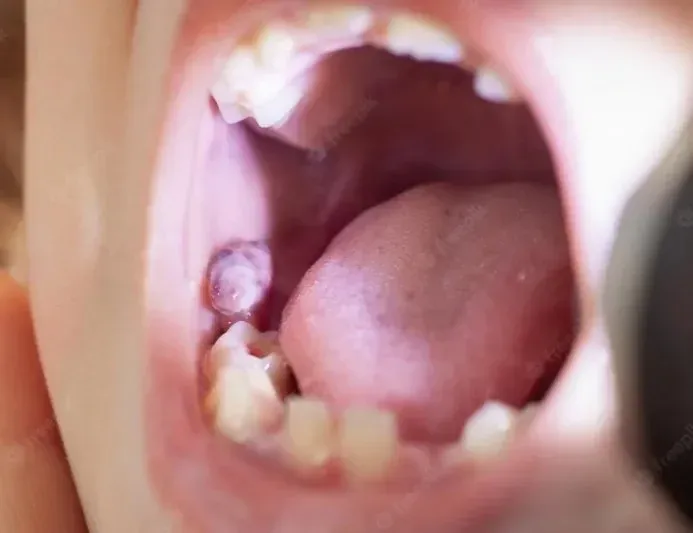
Understanding the cause of toothache is the first step toward finding relief. Inside every tooth, there is a soft material called pulp, which is filled with nerves and blood vessels. When tooth decay penetrates the hard outer enamel, it irritates these sensitive nerves, causing sharp or throbbing pain. One of the most common culprits is plaque, a sticky film of bacteria. If not removed by brushing or using a floss, plaque buildup can lead to cavities or gum disease.
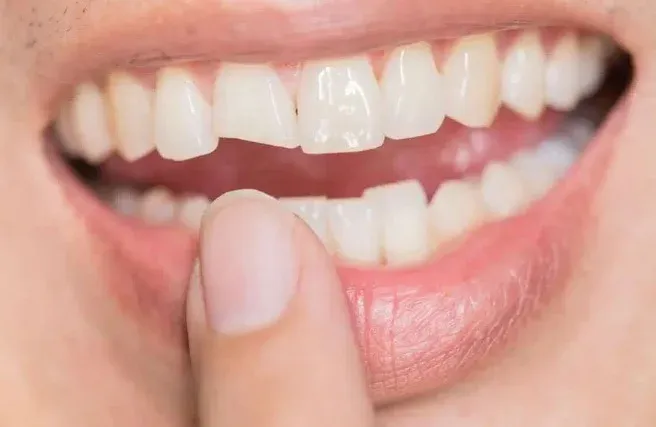
Sometimes, the pain isn’t from decay but from physical trauma or an abscess, which is a pocket of pus caused by an infection. If you feel pain when biting down, it could indicate a cracked tooth or a loose filling. The inflammation exerts pressure on the nerves, sending intense pain signals to your brain. While a dentist is the only one who can permanently fix the issue, understanding the root cause helps you choose the right temporary relief method until you can get professional help.

💧 Deep Clean Without The Pain
What is the best over-the-counter pain reliever for immediate relief?
When the pain is unbearable, you often don’t have time to mix a paste. You need the best over-the-counter pain relievers available. Generally, taking an anti-inflammatory medication like ibuprofen is highly effective because it helps reduce inflammation around the affected tooth. If you cannot take anti-inflammatories, acetaminophen is another pain reliever option, though it primarily targets the pain signal rather than the swelling.
👉 Read our guide: Painkillers Aren’t Working For My Toothache: 6 Things To Watch Out For
Another powerful otc option is a topical benzocaine gel. These gels work as a local anesthetic to numb the gum and the nerve endings temporarily. You simply apply a small amount to the affected area for fast toothache relief. However, remember that these are not cures. They are killers of pain symptoms, buying you time until you can see your dentist.
How does clove oil work as a natural toothache remedy?
Clove oil is arguably the most famous and effective toothache remedy found in nature. The secret lies in a chemical compound called eugenol, which acts as a natural anesthetic and antibacterial agent. It works similarly to the numbing gel a dentist might use. Using clove oil can effectively numb the area and ease toothache significantly within minutes.
To use this remedy, place a few drops of clove oil onto a cotton ball. Gently apply the cotton ball to the sore tooth and the surrounding gum tissue. Be careful not to swallow the oil, as it can be potent. If the pure oil is too strong, you can dilute it with a carrier oil like olive oil. This is a staple in homemade toothache remedies and is essential for anyone’s medicine cabinet.

🌿 Nature’s Anesthetic (Clove Oil)
Can a warm salt water rinse really ease the pain?
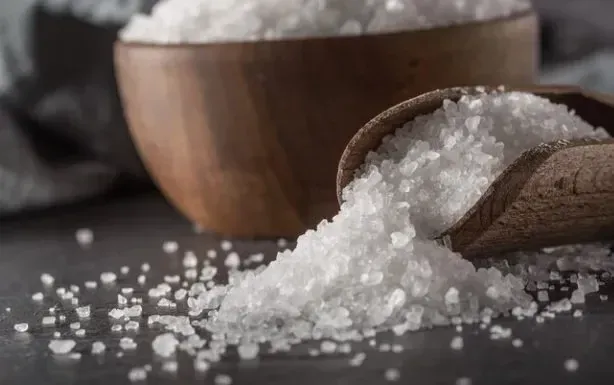
A salt water rinse is one of the oldest and most reliable home remedies. It is simple, free, and effective. Salt water acts as a natural disinfectant; it helps loosen food particles and debris caught between teeth and draws out fluid from the tissues to reduce swelling. If you have an infection or abscess, this rinse can help clean the area and relieve some of the pressure.
To prepare this, mix half a teaspoon of salt into a glass of warm water. Swish the solution around in your mouth for at least 30 seconds before spitting it out. Do not swallow it. You can repeat this rinse your mouth process three times a day or as needed. It helps to keep the area clean and can ease the pain associated with gum inflammation and tooth soreness.
Is hydrogen peroxide safe to use to reduce inflammation?
Hydrogen peroxide is another effective rinse, specifically for killing bacteria and reducing plaque. It can offer relief if the toothache is caused by an infection or gum disease. However, safety is paramount when using this chemical. You must use a 3% solution (standard household grade) and dilute it further.
Mix equal parts hydrogen peroxide and water. Swish the mixture in your mouth for 30 seconds to one minute. Spit it out and rinse with plain water afterward. Never swallow hydrogen peroxide. This solution helps to attack the bacteria causing pain and can temporarily relieve discomfort while also acting as a cleaning agent for your entire mouth.
How to use a cold compress or vanilla extract for temporary relief?
If your face is swollen, a cold compress is your best friend. Applying cold helps constrict the blood vessels, which reduces blood flow to the affected area and helps relieve the pain and swelling. You can use a bag of ice or frozen vegetables wrapped in a cloth. Hold it against the side of your face for 20 minutes on, then 20 minutes off. Using a cold compress is particularly helpful if you have experienced trauma to the tooth.
Surprisingly, vanilla extract is another popular home remedy. Pure vanilla extract contains alcohol, which can numb the area, and antioxidants that may help the healing process. To use it, dab a small amount onto your finger or a cotton ball and apply it directly to the tooth. It provides a soothing effect that can help ease your pain.
What about peppermint tea and garlic as home remedies?
Peppermint tea tastes great and has numbing properties. You can use a cooled tea bag to apply directly to the throbbing area. The menthol in the peppermint acts similarly to the cooling effect of ice, helping to soothe sensitive teeth and gums. It is a gentle remedy suitable for mild tooth pain.
On the other end of the flavor spectrum is garlic. Garlic releases allicin when crushed, which is a powerful disease-fighting liquid. Crush a clove of garlic into a paste and apply it to the tooth. You can add a bit of salt to the paste as well. While it may not smell great, it can kill bacteria and act as a pain reliever. These home remedies for toothache relief are accessible and often sitting right in your kitchen.
When should you use dental floss vs. brushing to relieve pain?
Sometimes, the pain and discomfort are caused simply by a piece of food lodged between your teeth, pressing against the gum or a sensitive spot. In this case, medicine won’t solve the problem—mechanical removal will. Gently floss around the tooth to dislodge any debris. Avoid snapping the floss, as this can hurt the gum.
If you have a sore tooth, you might be hesitant to brush your teeth, but maintaining hygiene is crucial. Use a soft-bristled brush or an electric toothbrush with a pressure sensor. Brushing removes the acidic plaque that eats away at enamel. If regular flossing is too painful, consider using a water flosser, which uses a stream of water to clean between teeth gently without physical contact.
Toothache during pregnancy: What is safe to take?
Managing a toothache during pregnancy requires extra caution. Hormonal changes can increase the risk of gum inflammation, often called “pregnancy gingivitis.” However, you must be careful with over-the-counter drugs. It is generally advised to avoid ibuprofen during certain stages of pregnancy.
Always talk to your dentist or obstetrician before taking medication. Safe bets usually include the salt water rinse or a cold compress. If you need dental work, the second trimester is usually the safest time. Do not ignore tooth pain during pregnancy, as infections can affect your overall health.
Why do you need to see a dentist and not just wait?
While these remedies provide temporary relief, they do not cure the underlying problem. Whether it is deep decay, a cracked tooth, or an infection, the issue will likely return—often worse than before. You need to see a dentist to diagnose the issue definitively. A dentist may take an x-ray to see if the infection has spread to the bone.
Wait for an appointment only as long as necessary. If you have fever, trouble breathing, or swelling near the eye, see a dentist as soon as possible or go to the ER. Ignoring the problem can lead to tooth loss or systemic infection.
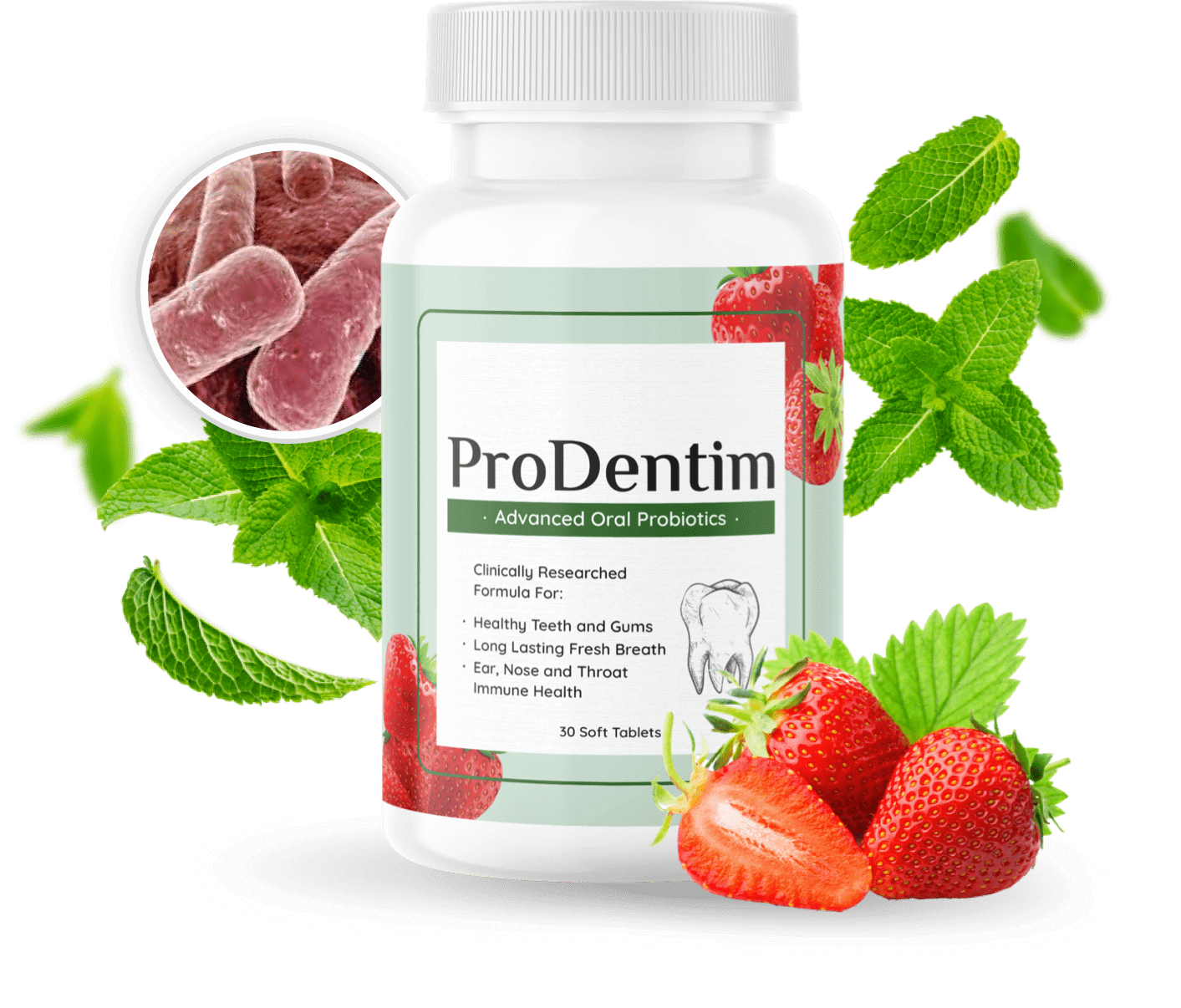
🚫 Stop The Pain From Coming Back!
Summary of Home Remedies and when to seek professional help
Dealing with dental pain is exhausting, but you have options. By combining home remedies with professional care, you can manage the situation effectively.
- Salt Water: Use half a teaspoon of salt in warm water to disinfect.
- Clove Oil: Apply to the affected tooth for numbing.
- Cold Compress: Use on the side of your face to reduce swelling.
- Medication: Use ibuprofen or benzocaine gels for pain and inflammation.
- Hygiene: Brush your teeth and floss gently to remove irritants.
- Prevention: Consider oral probiotics to maintain healthy gum flora.
Remember, these methods temporarily relieve symptoms. For a permanent cure, you must book a visit with family dentistry. Don’t let tooth pain control your life—take action today.