
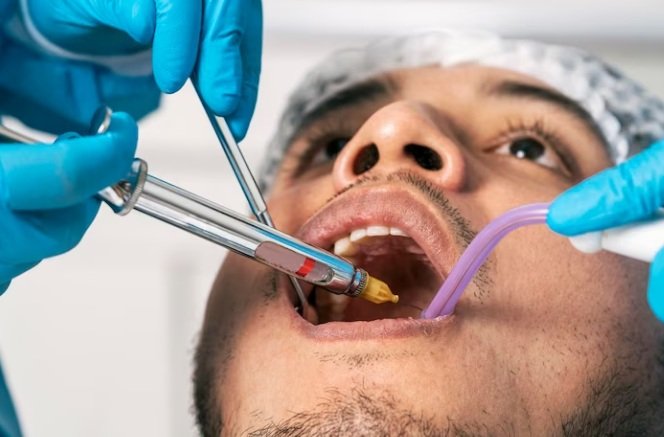
Emergency Tooth Extraction: Risks, Costs & What to Expect (2026)
Thinking ‘i need a tooth pulled immediately’? Learn when emergency tooth extractions are necessary, costs in 2026, risks, and how to get safe, urgent help.
Disclosure: this article contains affiliate links. As an Amazon Associate, Go Fix Teeth earns from qualifying purchases at no extra cost to you. Prices and availability are those shown on Amazon at the time you visit.
If you think, “i need a tooth pulled immediately,” stay calm. Find help right away. Bad pain and sudden injuries hurt your day. An urgent pull is best when a tooth cannot be saved.
This guide tells you about emergency tooth pulls in 2026. You will learn when you need fast care, costs, and what will happen.
Waiting when you hurt bad is not just hard. It can lead to bad issues like spreading germs, bone loss, and hurt teeth. Let us learn when a pull is needed, where to go, and how to stay safe.
- Direct Answer: If you feel you need an immediate extraction, contact an emergency dentist or dental clinic right away instead of attempting home remedies.
- Core Risks: Pulling an infected tooth prematurely can spread bacteria, whereas home extractions risk severe nerve damage and uncontrolled bleeding.
- Financial Planning: Emergency extractions typically range from $150 to $800 depending on surgical complexity and after-hours fees.
- Safety First: Seek immediate hospital care only if you experience difficulty breathing, trouble swallowing, or rapidly spreading facial swelling.

Why it helps: Contains benzocaine gel, temporary filling material, and dental tools to manage pain until you can see a dentist.
💙 This guide is free, and reader-supported.
Go Fix Teeth (dental) publishes independent information with no paywall. If this article helped you, a small contribution keeps it free for the next person.
When Do You Need a Tooth Pulled Immediately?
Not every toothache needs a fast pull. But some times mean you must get help now. Knowing these times helps you choose to get fast care.
Handling tooth emergencies means knowing when damage or bad germs cause pain that store medicine can not stop. Whether you have bad decay, stuck wisdom teeth, or knocked-out teeth, fast help keeps your mouth healthy.
Severe Tooth Decay and Cavities
When tooth decay at the gum line is too bad to fix, a pull is the only choice. If the rot gets to the tooth center and causes big damage, saving the tooth may fail. Signs include:
- Visible holes or dark spots on the tooth
- Constant, throbbing pain that doesn’t respond to pain medication
- Sensitivity to hot and cold that lingers for hours
- Foul taste or odor coming from the affected area
Dental Abscess and Infection
A dental abscess is a bad issue where pus builds up near the tooth root due to germs. If you see swelling in your face, fever, or trouble swallowing with tooth pain, get help now. An untreated abscess can spread to your jaw, neck, and blood, becoming life-threatening.
Sometimes, even if you have a tooth abscess still swollen after 3 days of antibiotics, a pull may be needed to stop the source of germs.
Trauma and Broken Teeth
Accidents happen. When they hit your teeth, the harm can be bad. If you have a tooth broke off at the gum line or a break under the gum, a pull may be your only choice. Trauma pulls are often needed when:
- The tooth is split vertically through the root
- Multiple fragments make restoration impossible
- The root is severely damaged or exposed
- Sharp edges are cutting into your cheek or tongue
Impacted Wisdom Teeth
Wisdom teeth trouble can grow fast. If your wisdom tooth cuts your cheek, causes bad swelling, or gets infected, you may need a fast pull. Stuck wisdom teeth can cause sharp pain, stiff jaws, and swelling that makes eating and talking hard.
Dangers of Extracting an Abscessed Tooth
When you have a bad germ problem, rushing into a pull without help has big risks. Dentists check if you need medicine or drainage before pulling an infected tooth due to these risks:
1. Spread of Infection and Sepsis Risk
Pulling a tooth with an active, uncontained bacterial abscess can allow bacteria directly into open blood vessels. This can lead to bacteremia and, in severe cases, sepsis—a life-threatening systemic reaction according to the Mayo Clinic. This is why immediate professional triage is critical.
2. Higher Risk of Dry Socket (Alveolar Osteitis)
Active bacterial infection disrupts the body’s natural blood clotting mechanisms. According to the American Dental Association (ADA), dry socket occurs when the protective blood clot in the socket dissolves prematurely or fails to form, exposing underlying bone and nerves to severe pain.
3. Bone Loss and Osteomyelitis
If an abscess has spread deep into the jawbone, performing an emergency extraction without clearing the surrounding bone infection can lead to osteomyelitis (bone infection) and permanent localized bone loss, compromising neighboring teeth and future dental implants.
4. Risk of Nerve Damage
Infections can cause localized tissue swelling around nerve channels, such as the inferior alveolar nerve in the lower jaw. Extracting a tooth in heavily inflamed or compromised tissue increases the risk of temporary or permanent numbness or tingling in the lower lip, chin, or tongue.
Why it helps: Helps reduce oral bacterial load and support tissue health around inflamed or infected gum areas prior to professional care.
Where to Get an Emergency Tooth Extraction in 2026
Finding fast dental care is easier in 2026. Many choices are ready based on where you are and your state.
Emergency Dental Clinics
Many towns have special emergency dental clinics open day and night. These places are set up for fast cases and often have tooth surgeons on staff. They can usually see you hours after you call, even on weekends and days off.
Your Regular Dentist
Do not forget your normal dentist. Many offices save time for emergency patients or have people on call. Call your dentist first. They may fit you in that day or give care after hours.
Hospital Emergency Rooms
Hospital ERs are not ideal for teeth, but they can help if you have bad signs like high fever, facial swelling that stops breathing, or bleeding you can not stop. They can give medicine and send you to a tooth doctor.
Dental Schools
Many dental schools offer fast help for less cost. Care may take more time since students do the work under watch. Still, it is a good choice if money is tight.
Why it helps: Provides fast-acting numbing relief for severe tooth pain while you wait for your emergency appointment.
Why You Should Never Attempt Emergency Tooth Extraction at Home
When feeling lost, some people think of pulling their own tooth. This is very dangerous and can cause big harm. Here is why you must never try this:
Risk of Severe Complications
Without proper training and clean tools, you risk:
- Uncontrolled bleeding: Dental professionals know how to manage bleeding and have emergency protocols if complications arise
- Nerve damage: Permanent numbness or pain in your jaw, lips, or tongue can result from improper extraction
- Infection: Non-sterile conditions can introduce bacteria deep into your jaw bone
- Incomplete extraction: Leaving root fragments behind causes ongoing pain and infection
- Jaw fracture: Excessive force can actually break your jawbone
The Importance of Professional Care
Dentists use special tools built for pulling teeth. They know tooth parts, can use right numbing agents, and know how to fix issues. The pull means gently shaking the tooth from its socket, taking it out whole, and making sure no parts stay behind. You can not do this safe at home.
What to Do While Waiting for Care
If you can not get fast dental care but hurt bad, here are safe steps for now:
- Take over-the-counter pain relievers like ibuprofen (follow package directions)
- Apply a cold compress to the outside of your cheek for 15 minutes at a time
- Rinse gently with warm salt water (1/2 teaspoon salt in 8 oz water)
- Avoid chewing on the affected side
- Keep your head elevated, even while sleeping
- Avoid very hot, cold, or sweet foods that trigger pain
For more fast help tips, see our guide on the best painkiller for tooth nerve pain.
Emergency Tooth Extraction Cost in 2026
Knowing the cost of emergency dental care helps you pick right and avoid surprise bills.
Average Cost Breakdown
Emergency tooth pull costs change based on a few things:
- Simple extraction: $150-$400 per tooth (for teeth that are visible and easily accessible)
- Surgical extraction: $300-$800 per tooth (for broken teeth, impacted teeth, or teeth with curved roots)
- Impacted wisdom tooth: $400-$1,200 per tooth (depending on complexity and impaction angle)
- Emergency visit fee: $50-$200 additional (for after-hours, weekend, or holiday appointments)
Additional Costs to Consider
Besides the pull, you may pay for:
- X-rays or 3D imaging: $25-$250
- Anesthesia (local is usually included; IV sedation adds $250-$800)
- Antibiotics prescription: $10-$50
- Pain medication prescription: $10-$40
- Follow-up visits: $50-$150
Insurance Coverage
Most dental insurance plans cover part of emergency pulls, usually 50-80% after your deductible. Yet, coverage changes a lot:
- Check if your plan covers emergency visits
- Verify if the clinic is in-network (out-of-network costs are usually higher)
- Ask about your annual maximum benefit
- Understand your deductible and co-payment responsibilities
Payment Options and Financing
If you worry about cost, many dental offices in 2026 offer easy payment plans:
- Payment plans: Interest-free or low-interest monthly installments
- Dental financing: Third-party companies like CareCredit offer healthcare credit cards
- Dental discount plans: Membership programs that reduce costs for uninsured patients
- Sliding scale fees: Some clinics adjust prices based on income
Always ask for a written price before work starts. Do not fear to talk about money with your dentist. They often have ways to help you.
What to Expect During an Emergency Tooth Extraction
Knowing what happens during the visit helps lower worry and gets you ready.
Initial Examination
Your dentist will first check the hurt tooth, take X-rays to see the root and bone, and talk about your health history. They will tell you why a pull is needed and share other choices if any exist.
Anesthesia and Pain Management
Modern dental care makes sure you feel no pain during a pull. Choices include:
- Local anesthesia: Numbs only the extraction area (most common for simple extractions)
- Sedation: Helps you relax while remaining conscious
- General anesthesia: Complete unconsciousness (rare, usually for complex cases or extreme anxiety)
The Extraction Process
For a simple pull, the dentist will:
- Numb the area thoroughly
- Loosen the tooth using specialized instruments
- Gently rock the tooth back and forth to widen the socket
- Remove the tooth once it’s sufficiently loosened
- Clean the socket and check for fragments
- Place gauze to control bleeding
The real pull takes 10 to 30 minutes, but hard pulls can take more time.
Immediate Aftercare
After the pull, you get clear rules for the first night after tooth extraction. Key points are:
- Bite on gauze for 30-45 minutes to form a blood clot
- Avoid rinsing, spitting, or using straws for 24 hours
- Take prescribed pain medication as directed
- Apply ice packs to reduce swelling
- Eat only soft, cool foods for the first day
Why it helps: Includes ice packs, gauze pads, and soft food recommendations to support healing after tooth removal.
Recovery and Healing Timeline
Knowing how healing works helps you see what is normal and when to worry.
First 24 Hours
Day one is key for good healing. Expect some bleeding, swelling, and pain. Follow your dentist rules closely, especially for the blood clot in the socket. This is a must for healing. Taking out the bad tooth helps your body fight remaining germ bits.
Days 2-7
Swelling is worst around days 2 to 3, then drops. You can brush softly (stay away from the spot) and eat slightly firmer food. The spot may look white or yellow. This is normal healing tissue, not a germ issue.
Yet, if you feel tooth extraction pain after 7 days, call your dentist. This can mean a dry socket.
Weeks 2-4
The spot keeps healing as soft tissue covers the socket. The new tissue turns pink and firm. You can go back to normal food slowly, though the area may still feel a bit tender.
Long-Term Healing
Full bone healing takes 3 to 6 months. In this time, the bone grows and fills the socket. If you want a fake tooth or bridge, your dentist will wait until this step is done.
Potential Complications and When to Call Your Dentist
Most pulls heal with no trouble. But know these warning signs that need fast care:
- Dry socket: Severe pain starting 3-4 days after extraction, often with bad breath
- Excessive bleeding: Bleeding that doesn’t slow after 24 hours
- Signs of infection: Fever over 101°F, increasing pain, pus, or foul odor
- Numbness: Persistent numbness beyond the expected timeframe
- Difficulty breathing or swallowing: May indicate swelling affecting airways
Alternatives to Emergency Extraction
Before you agree to a pull, ask your dentist about other paths. Sometimes, other care can save your tooth:
- Root canal therapy: Can save severely decayed or infected teeth
- Apicoectomy: Surgical removal of infected root tip
- Crown lengthening: Exposes more tooth structure for restoration
- Splinting: Stabilizes loose or fractured teeth
Yet, if your dentist tells you to pull it, it is usually because these other paths will fail or only give brief help.
Replacing an Extracted Tooth
After a fast pull, look at tooth replacement choices to keep your mouth healthy and working:
- Dental implants: Permanent, natural-looking replacement (most expensive but longest-lasting)
- Dental bridges: Fixed prosthetic attached to adjacent teeth
- Partial dentures: Removable appliance for one or more missing teeth
Talk about timing and choices with your dentist. Some new teeth can be planned right away, while others need full healing first.
Prevention: Avoiding Future Emergency Extractions
The best emergency pull is the one you never need. Guard your teeth with these steps:
- Maintain regular dental checkups every 6 months
- Brush twice daily and floss once daily
- Address dental problems promptly—don’t wait until pain becomes severe
- Wear a mouthguard during sports
- Avoid using teeth as tools to open packages
- Limit sugary foods and acidic beverages
- Don’t ignore warning signs like sensitivity or minor pain
🧮 Free tool: Not sure how urgent this is? Answer 4 questions: ER now, urgent dentist, or wait until morning.
Dangerous home “hacks” to avoid
- Aspirin on the gum or tooth. Aspirin is an acid; it chemically burns the gum and does nothing for the pain. Swallow pain relievers as the label directs, never place them.
- Undiluted clove oil on an open wound or socket. A trace on a tooth can numb briefly; neat clove oil on gum tissue or a fresh socket causes burns and delays healing.
- Rinsing with alcohol, whisky, or hydrogen peroxide. They dry and irritate tissue, disturb a healing clot, and interact with pain relievers. Warm salt water is enough.
- Popping or draining a swelling yourself. Pushing on an abscess can spread the infection. Cold outside the cheek, and a dentist today.
- Leftover or borrowed antibiotics. They mask symptoms for a few days, breed resistant bacteria, and the tooth still needs treatment.
- Heat on a swollen face. Heat increases blood flow and swelling around an infection; use cold until a dentist has seen it.
Frequently Asked Questions
Will the ER pull a tooth if it’s infected?
No, hospital emergency rooms generally do not perform dental extractions. However, ER doctors can evaluate severe infections, prescribe antibiotics or pain medications for dental emergencies, and refer you to an emergency dentist for tooth removal.
How to get a tooth pulled when you have no money?
If you have no money for an urgent dental care visit, look into local dental schools, federally qualified health centers (FQHCs), non-profit clinics, or ask the dental office about sliding-scale fees, payment plans, or medical credit options like CareCredit.
Can you get a tooth pulled the same day?
Yes, many emergency dentists and dedicated dental clinics offer same-day or walk-in appointments for a tooth extraction if the tooth is severely decayed, fractured, or causing acute pain and infection.
Can you get a tooth pulled as an emergency?
Yes, emergency tooth extractions are frequently performed when a tooth is unsaveable due to advanced decay, severe trauma, broken roots, or an acute dental abscess that poses risks to your overall health.
Are there any risks associated with emergency tooth extractions?
Emergency tooth extractions carry risks such as dry socket, excessive bleeding, nerve injury, or the potential spread of infection if an active abscess is pulled before proper antibiotic therapy or professional evaluation.
Do you need urgent dental care?
You need urgent dental care if you experience severe tooth pain, facial swelling, uncontrollable bleeding, broken teeth, knocked-out teeth, or signs of a spreading infection like fever and difficulty swallowing.
Does Western Dental offer Same-Day or Walk-in Appointments for Emergencies?
Many large dental groups, including Western Dental, accommodate emergency walk-in patients or offer same-day appointments for urgent extractions and severe tooth pain relief.
Have a dental emergency?
If you are having a dental emergency, remain calm, avoid dangerous home remedies like placing aspirin directly on the gums, and contact an emergency dentist or clinic immediately.
Having a dental emergency?
If you are having a dental emergency, assess your symptoms for red flags like trouble breathing or severe swelling, and seek professional emergency dental care right away.
Healthline: Does Tooth Extraction Hurt?
According to trusted health resources like Healthline, you will not feel sharp pain during a tooth extraction because local anesthetics and sedation fully numb the treatment area.
Final Thoughts: Take Action Now
If you hurt bad and think “I need a tooth pulled immediately,” do not wait. Bad tooth issues rarely get well on their own and get worse with no care. The longer you wait, the harder and more costly care gets.
Call an emergency dental clinic, your normal dentist, or a hospital ER right away. Tell them your signs clearly and say how bad you hurt. Most dental offices put emergency cases first and will try hard to see you fast.
Remember, trying to pull a tooth yourself or ignoring bad signs can lead to life risks. Professional dental care is always the safest, best choice. Your mouth health is worth it, and help is here. You just need to make the call.
Stay informed, act quickly when problems arise, and maintain regular dental care to keep your smile healthy for years to come.
This article is for informational purposes only and is not a substitute for professional advice. Consult a qualified professional for personal recommendations.
💙 Did this guide help you?
Go Fix Teeth is reader-supported. A small donation keeps expert dental advice free for the next person in pain.
Related resources
- https://www.amazon.com/s?k=Emergency+Dental+Pain+Relief+Kit&tag=gofixteeth-20
- https://www.amazon.com/s?k=Orajel+Maximum+Strength+Toothache+Relief&tag=gofixteeth-20
- https://www.amazon.com/s?k=Dental+Extraction+Recovery+Kit&tag=gofixteeth-20