Partial Dentures Cost 2026: Acrylic, Metal & Flexible
Partial dentures cost in 2026: acrylic, cast metal and flexible partials, with and without insurance, extra fees to expect, and practical ways to save.
✅ Quick answer
Partial dentures typically cost about $500 to $3,000 per arch without insurance in the US in 2026. An acrylic partial usually runs about $500–$1,500, a cast metal partial about $1,200–$3,000, and a flexible (nylon) partial about $900–$2,500. With insurance that covers dentures at 50%, many people pay roughly $250–$1,500 out of pocket, before extras like extractions. Typical 2026 US estimates; they vary by region and insurance.
A partial denture is often the most affordable way to fill several gaps at once, but the price range is wide. Two people missing the same teeth can get quotes that are a thousand dollars apart, mostly because of the material and what the office includes.
This guide breaks down partial dentures cost by type, what insurance usually pays, the extra fees that show up on estimates, and practical ways to keep the total down.
📩 Important: after you sign up, open the email from Go Fix Teeth and tap Confirm. Your PDF opens right away. Not there? Check Spam or Promotions.
Partial dentures cost by type (2026)
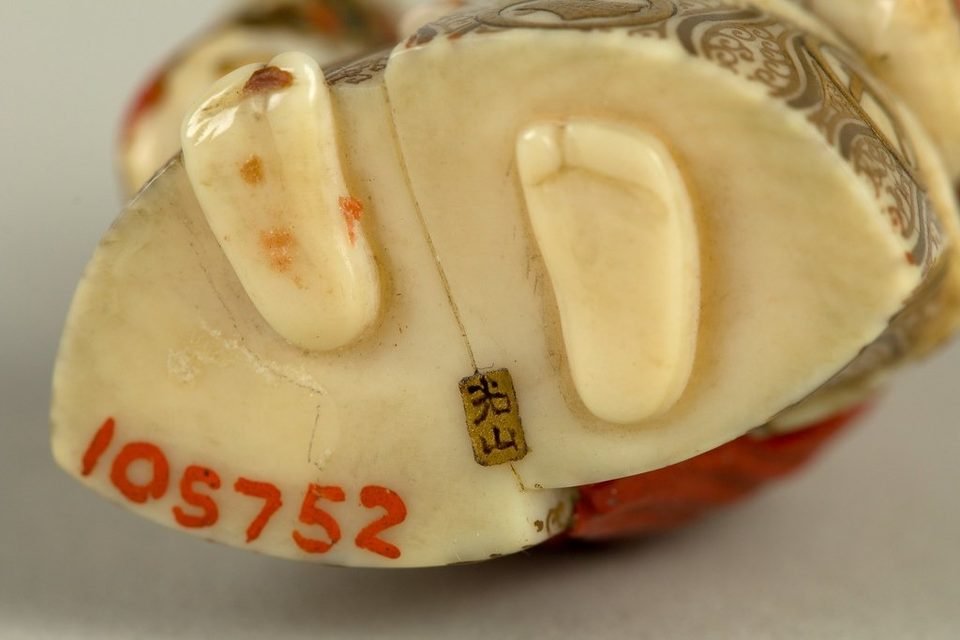
| Partial type | Cost per arch (no insurance) | Best for |
|---|---|---|
| Flipper (1–2 teeth) | $300–$1,000 | Temporary gap filler |
| Acrylic partial | $500–$1,500 | Budget, easy to add to |
| Flexible (nylon) | $900–$2,500 | Looks, comfort |
| Cast metal (chrome) | $1,200–$3,000 | Long-term strength |
| Implant-supported | $3,000–$10,000+ | Most stability |
Typical 2026 US estimates; they vary by region and insurance. Prices tend to be higher in big coastal cities and lower in smaller towns. A partial for the lower jaw and one for the upper jaw are usually priced the same.
What you get with each type
Acrylic partial
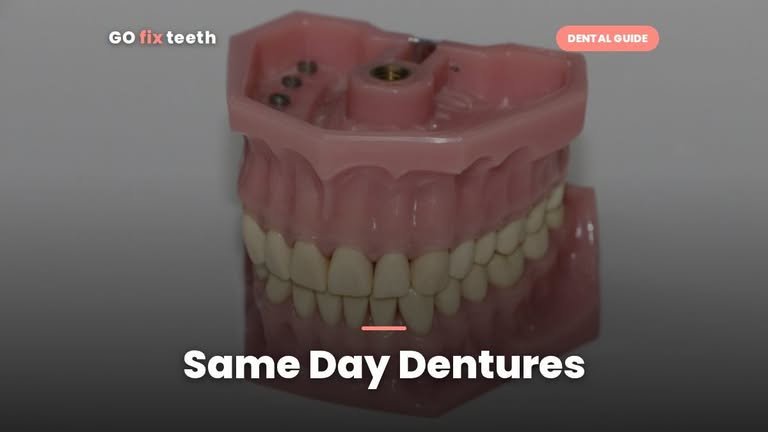
A pink plastic base holds the false teeth, with bent wire clasps that hook around your natural teeth. It is the cheapest permanent option and the easiest to repair, reline or add a tooth to. The trade-off is bulk: the base is thicker to stay strong, and the wire clasps may show. Some dentists use it as a temporary or “interim” partial while the gums heal after extractions.
Cast metal partial
A thin, custom-cast metal framework (often cobalt-chromium) carries the teeth and clasps. It is stronger and less bulky than acrylic, rests on small seats on your natural teeth for better support, and often lasts many years. Metal clasps can show on front teeth, and the teeth holding them may need minor shaping. Teeth can often be added later.
Flexible partial
Made from a bendable nylon-type resin with gum-colored clasps, it looks natural and is comfortable. It is harder to reline or add teeth to, so it suits people with stable teeth. Read the full breakdown in our guide to flexible dentures.
Flipper
A small acrylic partial for one or a few teeth, usually short-term. See dental flipper for costs and how it compares with an implant.
Partial dentures cost with and without insurance
Most dental plans treat partial dentures as a “major” service. A common setup looks like this:
- Coverage of about 50% after your deductible
- An annual maximum, often $1,000 to $2,000, which extractions plus a partial can use up
- Waiting periods on new plans, sometimes 6 to 12 months for major work
- Replacement limits, often one partial per arch every 5 years or so
- Material downgrades: some plans pay only the acrylic rate and you pay the difference for metal or flexible
- Missing tooth clause on some plans, which may exclude teeth lost before you joined
So on a $1,800 cast metal partial with 50% coverage and the deductible met, you might pay about $900. Without insurance, you pay the full fee unless you use a discount plan, school clinic or cash discount. Ask for a written estimate and a pre-treatment estimate from your insurer.
Medicare Part A and Part B generally do not cover dentures, though many Medicare Advantage plans include some dental coverage. Medicaid coverage for adult dentures depends on your state.
Useful on Amazon for this job
As an Amazon Associate we earn from qualifying purchases. Always confirm fit for your exact vehicle or ask your dentist.
Insurance traps and tips for partial dentures
- Missing tooth clause. Some plans deny a partial if a tooth it replaces was lost before the policy started.
- Alternate benefit (downgrade). Plans often pay only the basic acrylic rate for a cast-metal partial, so you pay the difference.
- A temporary partial can use up your benefit. If an interim partial is billed as a regular one, the plan’s replacement limit may block coverage for the final partial months later. Ask how it will be coded.
- Metal frameworks protect your teeth longer. Acrylic “flippers” are cheaper but rest on the gums, while a cast metal partial with rests directs chewing force onto the teeth.
- Some anchor teeth may need a crown first so the clasp fits well, and insurance may not cover a crown made mainly for a partial. Ask before you start.
- Seat it with your fingers, not by biting, and never bend metal clasps yourself. Brush the teeth the clasps touch carefully, because decay can start there.
The Dental Recovery & Savings Bundle includes 4 ready-to-use scripts to lower your dental bill, so you know exactly what to say when you ask about cash discounts, insurance downgrades and payment plans. You also get a printable day-by-day recovery calendar if teeth need to come out first. Instant PDF, $12, 30-day money-back promise.
Get the savings scripts →
Extra costs to ask about
- Exam and X-rays: about $50–$250 for a new patient.
- Extractions: about $150–$600 per tooth, more for surgical ones.
- Fillings or crowns on the teeth that will hold the clasps, if they have decay or need reshaping. A crown can run about $1,000–$2,500; see tooth crown cost.
- Deep cleaning if you have gum disease, which should be treated before a partial is made.
- Adjustments: usually included for the first few months.
- Relines: about $200–$700 when the fit loosens over time.
- Repairs: a broken clasp or added tooth often costs a few hundred dollars.
Typical 2026 US estimates; they vary by region and insurance. If a cleaning is due first, see how much a dental cleaning costs without insurance.
How to save on partial dentures
- Dental schools. Supervised students often charge noticeably less. Expect longer and more visits.
- Community health centers. Many offer sliding-scale fees based on income. The NIDCR lists low-cost options.
- Dental discount plans. Member offices agree to reduced fees. Check the fee schedule for partials before you join.
- Ask for a cash discount if you pay in full.
- Pick the material for your situation. If more teeth may be lost soon, an acrylic partial that can be added to may save money compared with replacing a flexible one.
- Time your treatment. If you have insurance, splitting extractions and the partial across two benefit years can use two annual maximums, if your dentist says waiting is safe.
- Use your FSA or HSA for the eligible parts.
Avoid very cheap mail-order or unlicensed options. A partial that doesn’t fit well can rock on your teeth, cause sores, and damage the teeth holding the clasps.
Partial denture vs bridge vs implant: cost over time
A partial is usually the lowest upfront cost, but it helps to think about the next ten years, not just this year. A partial may need relines, repairs and eventually a replacement, and the clasps put some extra load on the teeth that hold them. A fixed bridge typically costs about $2,500 to $5,000 for three units and doesn’t come out, but it requires crowning the teeth on both sides of the gap. A single implant often runs about $3,000 to $6,000 per tooth and doesn’t rely on neighboring teeth.
Typical 2026 US estimates; they vary by region and insurance. When several teeth are missing in different spots, a partial is often the most practical answer. When one tooth is missing between healthy teeth, an implant or bridge may make more sense over time. Your dentist can price out each option so you can compare. If most of your teeth are failing, read about permanent dentures as well.
Is a partial denture worth it?
For many people, yes. Filling gaps can make chewing easier, support your cheeks and lips, and help keep nearby teeth from drifting or tipping into the space. A partial is also far cheaper than replacing several teeth with implants or bridges. The downsides are that it comes out, can take time to get used to, and needs care and occasional relines. Our before and after partial dentures guide shows what to expect.
See a dentist promptly if…
- Your partial rubs and causes a sore that doesn’t heal in a few days
- It feels loose, rocks, or a clasp breaks
- A tooth holding a clasp becomes painful or loose
- You notice bleeding or swollen gums around the partial
See a dentist or doctor for any mouth sore lasting more than two weeks. Seek emergency care right away, or call 911, for facial swelling that is spreading, fever with mouth pain, or trouble swallowing or breathing.
Frequently asked questions
How much does a partial denture cost without insurance?
Typically about $500 to $3,000 per arch in the US in 2026, depending on the material.
Which partial denture lasts the longest?
Cast metal partials usually last the longest, often many years with good care and relines.
Are flexible partials more expensive than acrylic?
Usually yes, often by several hundred dollars, and insurance may only pay the acrylic rate.
Does insurance cover partial dentures?
Most plans cover a needed partial at around 50% after the deductible, up to the annual maximum, with replacement limits.
How long does it take to get a partial denture?
Often a few weeks and several visits for impressions, try-ins and fitting, longer if extractions need to heal first.
Sources
- MedlinePlus. Dental Health.
- MedlinePlus. Tooth Disorders.
- National Institute of Dental and Craniofacial Research. Finding Low-Cost Dental Care.
- Cleveland Clinic. Dental Implants.
This article is for general education and does not replace advice from your dentist, who can examine your mouth and give you an exact quote.