
How to Remineralize Teeth: What Works and What Doesn’t
Can you remineralize teeth? What fluoride, varnish, xylitol, diet and nano-hydroxyapatite can really do for early enamel damage, and which claims are myths.
✅ Quick answer
You can help remineralize teeth in the earliest stage of decay, when enamel has lost minerals but hasn’t broken into a hole. These early spots often look like chalky white patches. The best-supported tools are fluoride toothpaste twice a day, prescription high-fluoride toothpaste or fluoride varnish from your dentist, fewer sugary snacks and good saliva flow. Once a cavity has formed a hole, it can’t grow back and needs a dentist to repair it.
Your teeth aren’t static. All day long, minerals leave and return to the outer layer of enamel. When you eat sugar or starch, bacteria in plaque make acid that pulls calcium and phosphate out of the enamel. Between meals, saliva neutralizes that acid and helps put minerals back. When the losses outpace the repairs for long enough, a cavity forms.
“Remineralizing” means tipping that balance back toward repair. It’s real and well studied, but it has limits that many online claims ignore. This guide explains what remineralization can and can’t do, which approaches have good evidence, and which ideas are mostly hype.
📩 Important: after you sign up, open the email from Go Fix Teeth and tap Confirm. Your PDF opens right away. Not there? Check Spam or Promotions.
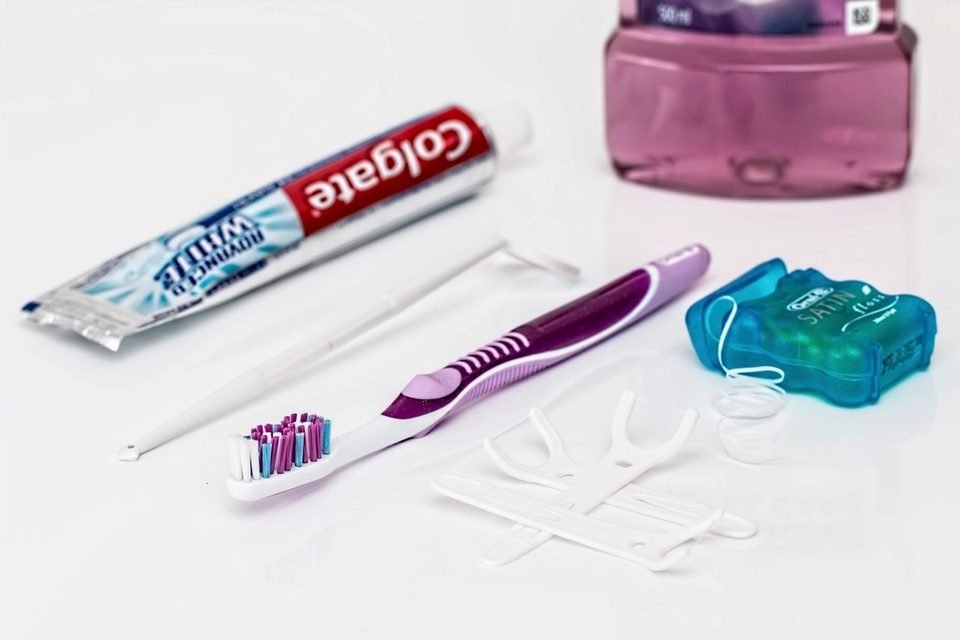
Ways to remineralize teeth at a glance
| Approach | What it does | Evidence |
|---|---|---|
| Fluoride toothpaste | Helps rebuild enamel and makes it more acid-resistant | Strong |
| Prescription high-fluoride toothpaste | Stronger daily dose for people at high risk | Strong |
| Fluoride varnish | Concentrated fluoride painted on by a dental professional | Strong |
| Less frequent sugar, healthy saliva | Gives enamel more time to repair between acid attacks | Strong |
| Xylitol gum or mints | Boosts saliva; doesn’t feed decay bacteria | Moderate |
| Nano-hydroxyapatite toothpaste | Supplies mineral that may fill tiny enamel defects | Promising, still growing |
| Oil pulling, “tooth healing” diets | No proven effect on rebuilding enamel or holes | Weak or none |
“Evidence” here is a plain-language summary of how well each approach is supported by research and by dental organizations such as the ADA, not a formal grade.
What remineralization can and can’t do
What it can do
The earliest stage of tooth decay is called a white-spot lesion or incipient caries. Minerals have been lost below the surface, so the enamel looks chalky, dull or white, but the surface is still intact. At this stage, fluoride and good habits can help minerals return, stop the spot from growing and make the area harder. The spot often becomes inactive, though it may stay visible as a mark.
Remineralization also helps protect enamel that is under stress from braces, dry mouth or frequent snacking, and it can make sensitive spots less sensitive.
What it can’t do
- It can’t regrow a hole. Once decay breaks through the surface and forms a cavity, the structure is gone. Enamel has no living cells to grow it back.
- It can’t fix decay in dentin, the softer layer under enamel, once it’s well advanced.
- It can’t treat an infected nerve, an abscess or a cracked tooth.
- It can’t undo enamel worn away by acid erosion or grinding, though it can help protect what’s left.
Only a dentist can tell whether a spot is early enough to watch and remineralize, or whether it needs a filling. That often takes an exam and X-rays, since decay between teeth can’t be seen in a mirror.
Fluoride toothpaste: the everyday foundation
Brushing twice a day with a fluoride toothpaste is the most important thing most people can do. Fluoride helps calcium and phosphate return to enamel, and the rebuilt enamel resists acid better than the original.
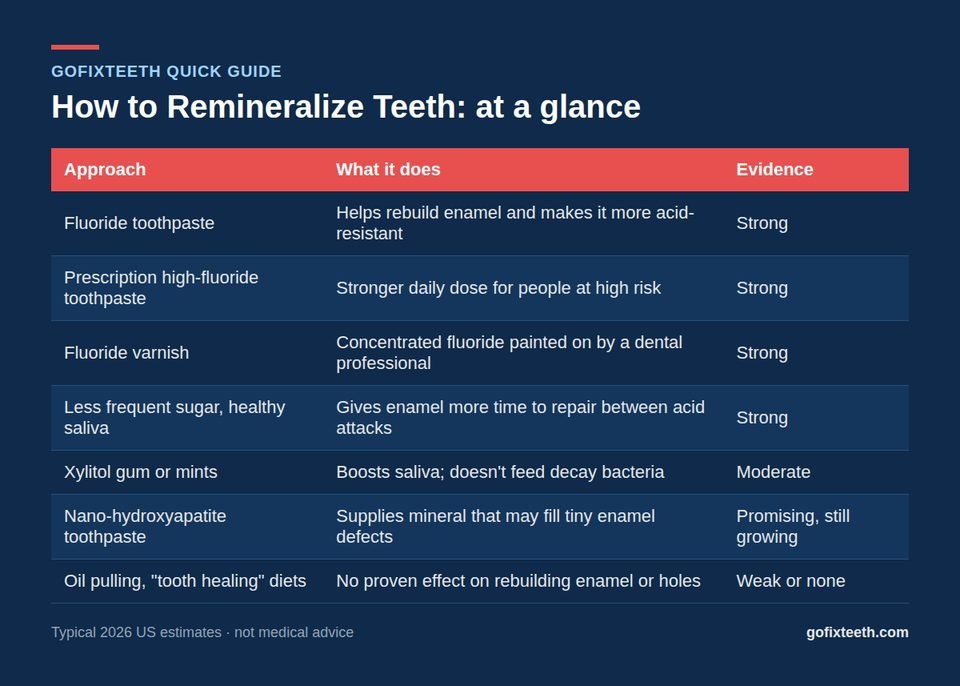
- Use a toothpaste with the ADA Seal of Acceptance, which shows it meets standards for safety and effectiveness
- Brush for about two minutes, twice a day, especially before bed
- Spit, don’t rinse. Leaving a thin film of toothpaste on your teeth lets fluoride keep working
- For children under 3, use a smear the size of a grain of rice; for ages 3 to 6, a pea-sized amount, and supervise brushing
Prescription high-fluoride toothpaste
For adults with a lot of early decay, dry mouth, root exposure or braces, a dentist may prescribe a toothpaste with about 5,000 ppm fluoride, roughly three to four times stronger than regular toothpaste. It’s usually used once or twice a day in place of your regular paste, often at bedtime. A tube commonly costs about $15 to $40 at US pharmacies, and generic versions are often cheaper. Typical 2026 US estimates; they vary by region and insurance. It isn’t meant for young children unless a dentist specifically directs it.
Fluoride varnish and in-office treatments
Fluoride varnish is a sticky coating painted onto teeth in a minute or two. It sets quickly and releases fluoride over several hours. It’s often recommended every 3 to 6 months for children and for adults at higher risk of decay. Many plans cover it for children; for adults it often costs about $25 to $75 per application without insurance. Typical 2026 US estimates; they vary by region and insurance.
Your dentist may also suggest silver diamine fluoride, a liquid that can stop some cavities from progressing. It’s helpful in certain cases, especially for young children or people who can’t easily get fillings, but it permanently stains the decayed area black and doesn’t rebuild the lost tooth.
Useful on Amazon for this job
As an Amazon Associate we earn from qualifying purchases. Always confirm fit for your exact vehicle or ask your dentist.
Catching decay early is the cheapest dentistry there is. The Dental Recovery & Savings Bundle includes 4 ready-to-use scripts to lower your dental bill, so you know exactly what to say about cash prices and payment plans if a spot does need a filling. You also get a printable day-by-day recovery calendar for after treatment. Instant PDF, $12, 30-day money-back promise.
Get the savings scripts →
Diet, saliva and xylitol
How often you eat sugar matters more than how much at one time. Each snack or sweet drink starts a new acid attack that can last a while, so sipping soda or juice all afternoon gives enamel little chance to recover.
- Keep sweets with meals rather than spreading them through the day
- Drink water, ideally fluoridated tap water, between meals
- Limit acidic drinks like soda, sports drinks and energy drinks
- Cheese, milk and plain yogurt are low in sugar and contain calcium and phosphate
- Chew sugar-free gum after meals to boost saliva, which neutralizes acid and carries minerals
Xylitol is a sugar alcohol that decay bacteria can’t use for energy. Sugar-free gum or mints with xylitol can help by increasing saliva and replacing sugary snacks. Research on xylitol’s direct benefits is mixed, so think of it as a helpful extra, not a substitute for fluoride. Keep xylitol products away from dogs, since it’s highly toxic to them.
If you have dry mouth from medications, radiation treatment or a health condition, tell your dentist. Low saliva greatly raises decay risk, and there are products and prescriptions that can help.
Nano-hydroxyapatite toothpaste
Hydroxyapatite is the main mineral in enamel. Nano-hydroxyapatite toothpaste uses tiny particles of it, and it has been used for years in some countries. Lab and clinical studies suggest it can help remineralize early lesions and reduce sensitivity, and some studies found results similar to fluoride toothpaste for early lesions.
That said, the research is smaller and newer than the decades of evidence behind fluoride, and products vary in formula. It may be a reasonable option for people who want to avoid fluoride or who want an extra product for sensitivity, but if you’re at high risk of cavities, talk with your dentist before replacing fluoride with it.
Myths about “healing” teeth naturally
- “You can heal cavities naturally.” Early white spots can remineralize. A cavity with a hole can’t, no matter the diet, supplement or powder.
- Oil pulling. Swishing coconut or other oil has no good evidence for rebuilding enamel, and it doesn’t replace brushing with fluoride.
- Special diets or supplements marketed to “regrow” teeth aren’t supported by solid human research. Good nutrition supports oral health, but it won’t refill a hole.
- Charcoal and baking soda scrubs don’t remineralize, and harsh abrasive products can wear enamel over time.
Waiting on a real cavity while trying these ideas can allow decay to reach the nerve, turning a small filling into a root canal or extraction.
See a dentist promptly if…
- You notice a chalky white, brown or dark spot that’s new or growing
- A tooth is sensitive to sweets, hot or cold
- You can see or feel a hole or rough edge
- A tooth hurts when you bite or aches on its own
Seek emergency care right away, or call 911, for facial swelling that is spreading, fever with tooth pain, or trouble swallowing or breathing.
Frequently asked questions
Can you really remineralize teeth?
Yes, at the earliest stage of decay, before a hole forms. Fluoride and fewer sugar exposures are the best-proven ways.
How long does it take to remineralize enamel?
It’s gradual, usually over weeks to months of consistent care. Your dentist can check whether a spot has stopped progressing.
Can a cavity heal on its own?
No. Once a cavity forms a hole, it needs a filling or other treatment.
Is nano-hydroxyapatite better than fluoride?
It looks promising, but fluoride has much more evidence. Ask your dentist which fits your risk.
Do white spots go away after remineralizing?
They often harden and stop growing but may stay visible. A dentist can discuss options if the look bothers you.
Does mouthwash remineralize teeth?
A fluoride mouth rinse can add some protection for people at higher risk, but it’s an extra, not a replacement for fluoride toothpaste.
Sources
- American Dental Association. Fluoride: Topical and Systemic Supplements.
- American Dental Association, MouthHealthy. Fluoride.
- Cleveland Clinic. Fluoride.
- National Institute of Dental and Craniofacial Research. Tooth Decay.
- Mayo Clinic. Cavities and Tooth Decay: Symptoms and Causes.
This article is for general education and does not replace advice from your dentist, who can examine your teeth and recommend the right treatment.


