TMJ Jaw Pain When Chewing: Causes, Home Relief and When a Night Guard Helps
Jaw pain when chewing is often TMJ-related. Learn the common causes, what you can safely try at home, how night guards help, and when to see a dentist.
Disclosure: This post contains affiliate links. If you buy through them, we may earn a small commission at no extra cost to you.
This article is general education, not a diagnosis or a substitute for care from a licensed dentist or doctor. If you are in severe pain, have swelling that is spreading, a fever, or trouble breathing or swallowing, seek urgent care.
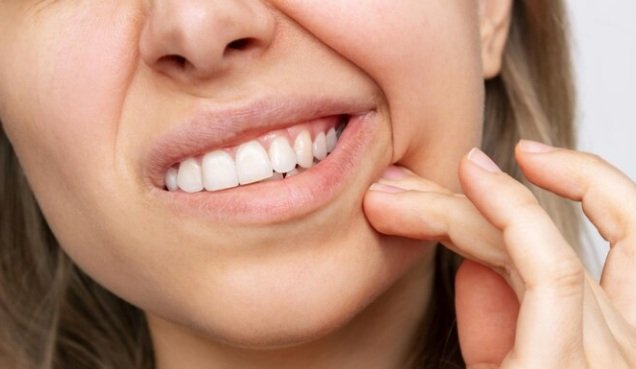
If your jaw clicks, aches or tires out when you chew, you may be dealing with a temporomandibular disorder (TMD), often called TMJ. The temporomandibular joints are the hinges on each side of your jaw, and the muscles around them take on a lot of work every day. The good news: most jaw pain from TMD improves with conservative self-care and, when needed, a custom or well-chosen night guard. This guide explains the common causes, what you can try at home, and when to see a dentist.
Key Takeaways
- Most TMJ pain is muscle-related and often linked to clenching, grinding, stress, posture or chewing habits.
- Self-care first: soft foods, heat or cold, gentle jaw stretches, and breaking the clenching habit help many people within weeks.
- Night guards protect teeth and can reduce strain, but a dentist should confirm the cause before you rely on one.
- Locking, severe pain, or pain with fever or swelling need professional evaluation.
📩 Important: after you sign up, open the email from Go Fix Teeth and tap Confirm. Your PDF opens right away. Not there? Check Spam or Promotions.
Common signs of a TMJ problem
- Aching in front of the ear, cheek or temple, often worse when chewing or yawning
- Clicking, popping or grating when you open or close your mouth
- Jaw that feels stiff in the morning or tired after a meal
- Headaches or earaches that have no clear ear or sinus cause
- Difficulty opening wide, or the jaw catching or locking
Painless clicking on its own is common and often needs no treatment. It is pain, limited movement, or locking that makes it worth acting.
What causes jaw pain when chewing?
Clenching and grinding (bruxism)
Many people clench or grind during sleep or stress without realizing it. Over time the chewing muscles become sore and the joint is overloaded. Worn flat edges on teeth, sensitive teeth and morning headaches are clues. Our guide to the best mouthguard for grinding teeth covers protective options in detail.
Joint or disc problems
The small cushioning disc inside the joint can slip out of position or wear down, producing clicking, catching or locking. These cases usually need a dentist or oral surgeon to evaluate.
Arthritis and injury
Arthritis, a blow to the jaw or whiplash can all inflame the joint. A history of injury is worth mentioning at your appointment.
Dental causes that mimic TMJ
A cracked tooth, an infected tooth or an uneven bite after a new crown can cause jaw and facial pain that looks like TMJ. If one specific tooth is sensitive or the pain is sharp and localized, see tooth nerve pain and tooth crown pain before assuming it is the joint.
Home relief that is worth trying
- Give the joint a rest. Choose soft foods for a week or two: eggs, yogurt, soups, pasta, well-cooked vegetables. Avoid gum, hard crusts, nuts and very chewy foods. Cut food into small pieces and avoid opening extra wide.
- Use heat or cold. Many people find a warm, moist compress relaxes tight chewing muscles, while a cold pack can calm a flare after overuse. A simple option is a microwavable moist heat pack used for short sessions over the jaw muscles, never hot enough to burn.
- Learn the resting jaw position. Lips together, teeth apart, tongue resting lightly on the roof of the mouth. Set phone reminders to check during the day.
- Try gentle stretches. Slowly open and close in front of a mirror so the jaw moves straight, and stop if it hurts. A dentist or physical therapist can teach exercises that fit your situation.
- Manage stress and sleep. Stress tightens jaw muscles. Regular exercise, a wind-down routine and limiting evening caffeine and alcohol often reduce clenching.
- Use pain relievers only as labeled or as your doctor or dentist advises, and check with them if you have other conditions or take other medications.
When a night guard helps (and what to look for)
A night guard does not cure TMJ, but it creates a protective barrier that prevents tooth wear and can reduce the muscle strain that comes with grinding. Choices range from over-the-counter boil-and-bite guards to custom guards made by a dentist.
- Custom guard from your dentist: best fit, most durable, and the safest choice if your bite is complex or you have joint symptoms.
- Boil-and-bite guard: a lower-cost way to protect teeth while you wait for an appointment. A snug fit matters, and a guard that is too thick or too tight can cause new discomfort. You can browse boil-and-bite night guards on Amazon and compare thickness, fit and reviews.
- Stop if it hurts. If a guard makes your jaw, teeth or bite feel worse after a few nights, stop using it and ask your dentist.
Replace guards when they crack or wear through, and clean them daily so bacteria do not build up. For cleaning, see our best ultrasonic retainer cleaner guide, which also works for night guards.
When to see a dentist or doctor
- The jaw locks open or closed, or you cannot open your mouth comfortably
- Pain lasts longer than a couple of weeks despite self-care
- Your bite suddenly feels different
- You have swelling, fever, or one tooth that is clearly sore
- Pain follows an injury to the face or jaw
A dentist will examine the joint, muscles and teeth, may take imaging, and can rule out dental problems. Depending on the findings, treatment options include a custom splint, physical therapy, bite adjustments or referral to a specialist.
Comfort and hygiene items people ask about (not a treatment)
These are options people commonly ask about alongside the advice in this article. We have not tested these products; the details below come from the listings and brands, and ratings and availability change often.
Sensodyne Repair and Protect Whitening Toothpaste (pack of 4)
Marketed for sensitive teeth; the brand says it builds a protective layer over exposed areas. It shows about 4.8 stars from roughly 13,500 ratings. Lasting or worsening tooth pain needs a dentist, not just a toothpaste.
LotFancy Wisdom Teeth Ice Pack Head Wrap (with 4 reusable gel packs)
A hands-free wrap with pockets for gel packs; the listing describes it as adjustable and sized for kids, teens and smaller adults. Cold packs are commonly used for swelling after oral surgery, but timing and duration vary, so follow your surgeon’s instructions. It shows about 4.6 stars from roughly 9,650 ratings.
Instant PDF · $12
The Dental Recovery & Savings Bundle
A day-by-day recovery calendar (what’s normal, what to eat, when to call your dentist) plus 4 word-for-word scripts to lower your next dental bill. 30-day money-back promise.
Get the bundle →Frequently asked questions
Can TMJ go away on its own?
Mild cases often settle with rest, stress reduction and habit changes. Persistent or worsening pain should be evaluated.
Is clicking in my jaw a problem?
Painless clicking is common and usually harmless. See a professional if it comes with pain, locking or restricted opening.
Can TMJ cause toothache or headaches?
Yes. Muscle tension around the joint can refer pain to teeth, ears and the temples, which is why a dental exam is useful before treating the wrong problem.
Are night guards safe?
They are safe for most people when well fitted, but they should not be used to mask a problem a dentist has not diagnosed.