Dry Mouth: Causes, Symptoms and What Can Help
Dry mouth is more than an annoyance: saliva protects your teeth. Here is what the ADA says about causes, symptoms and ways to find relief.
Reviewed on October 30, 2026 · How medical review works
Disclosure: This post contains affiliate links. If you buy through them, we may earn a small commission at no extra cost to you.
This article is general education, not a diagnosis or a substitute for care from a licensed dentist or doctor.
If your mouth feels sticky, your tongue feels like sandpaper, or you wake up at night needing water, you may be dealing with dry mouth. It sounds minor, but saliva does a lot of quiet work for your teeth, so it is worth understanding.
📩 Important: after you sign up, open the email from Go Fix Teeth and tap Confirm. Your PDF opens right away. Not there? Check Spam or Promotions.
Instant PDF · $12
The Dental Recovery & Savings Bundle
A day-by-day recovery calendar (what’s normal, what to eat, when to call your dentist) plus 4 word-for-word scripts to lower your next dental bill. 30-day money-back promise.
Get the bundle →Key takeaways
- Dry mouth is a lack of enough saliva. It is usually a symptom or a medication side effect, not a disease by itself.
- Saliva protects teeth by neutralizing acids and washing away food.
- Without it, extensive tooth decay can occur.
- Sugar-free gum, artificial saliva and ADA-Seal rinses are common supports; ask your dentist what fits you.
Why saliva matters more than you think
The ADA explains that saliva protects against tooth decay, keeps the tissues of the mouth healthy, washes away food and debris, neutralizes acids produced by mouth bacteria, and contains substances that help fight disease. When there is not enough, your teeth lose an important line of defense.
What dry mouth actually is
Dry mouth, known medically as xerostomia, means a lack of adequate saliva. The ADA points out that it is not a disease on its own. It is usually a symptom of a medical disorder or a side effect of medication. Medications named by the ADA include antihistamines, decongestants, pain killers and diuretics. In some cases dry mouth can be a sign of Sjögren’s syndrome, a chronic autoimmune disorder in which the immune system attacks the glands that produce moisture, including the salivary and tear glands. Only a doctor can tell what is behind it.
Symptoms to watch for
- A constant sore throat
- A burning sensation in the mouth
- Trouble speaking or swallowing
- Hoarseness
- Dry nasal passages
Why it is a problem for your teeth
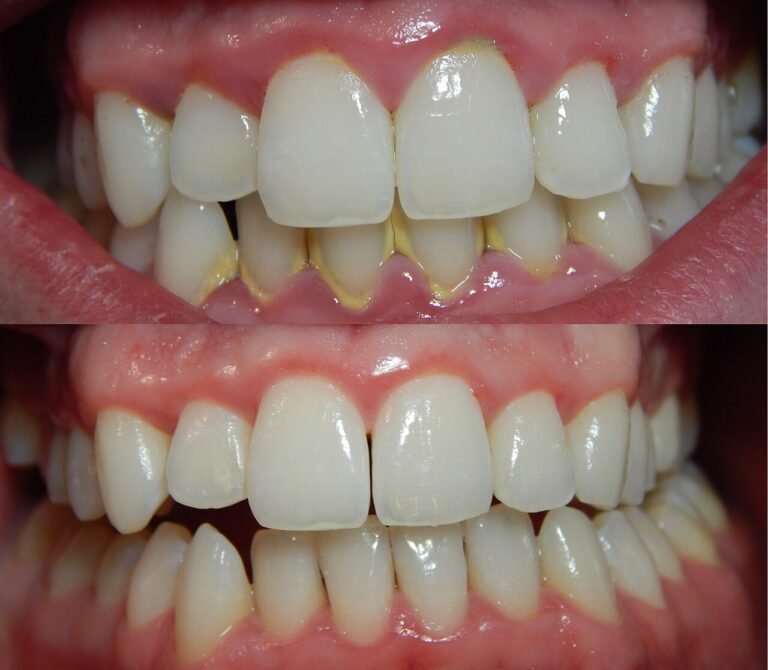
The ADA warns that without saliva, extensive tooth decay can occur. That is why people with long-term dry mouth are often advised to be extra careful with their oral hygiene and to see their dentist regularly.
What can help
The ADA suggests a few practical steps:
- Ask your dentist for ways to restore moisture. They can look at your medications and your cavity risk.
- Chew sugar-free candy or gum to stimulate saliva flow.
- Use artificial saliva or oral rinses to replace moisture.
- Look for products with the ADA Seal of Acceptance if you want ones that have been independently reviewed for safety and effectiveness.
Keep the basics going as well: brush twice a day with fluoride toothpaste, clean between your teeth daily, and keep your check-ups. Do not stop or change a medication on your own. If you think a medicine is causing the problem, talk to the doctor who prescribed it.
Dry mouth often travels with other problems. If your gums are red or bleed, read why gums bleed when you floss, compare rinses people use for gum disease, and see why bad breath can linger even after brushing.
Products worth a look for dry mouth
These are options people commonly ask about alongside the ADA’s advice to use artificial saliva, rinses or sugar-free lozenges. We have not tested these products; the details below come from the listings and brands, and prices and availability change often.
Biotene Oral Rinse Mouthwash for Dry Mouth, Fresh Mint (16 fl oz)
Marketed as a rinse for dry mouth. The listing describes a moisturizing system and says it provides up to four hours of relief. It shows about 4.7 stars from roughly 28,800 ratings and a price near $7 when we looked. Check the label for the ADA Seal, follow the directions, and ask your dentist if dry mouth is a constant problem.
Biotene Dry Mouth Lozenges (27 count)
A lozenge format that is easy to carry. The ADA suggests sugar-free candy or gum to stimulate saliva, so check the label to confirm what you are buying. The listing shows about 4.6 stars from roughly 5,200 ratings and a price near $7.
Product mentions are not medical advice. Ask your dentist what fits you.
Frequently asked questions
What causes dry mouth?
The ADA says dry mouth is not a disease itself but a symptom of a medical disorder or a side effect of certain medications, such as antihistamines, decongestants, pain killers and diuretics.
Can dry mouth cause cavities?
Yes. According to the ADA, without enough saliva extensive tooth decay can occur, because saliva helps neutralize acids and wash away food debris.
What can I do about dry mouth?
The ADA suggests asking your dentist about ways to restore moisture, chewing sugar-free gum or candy to stimulate saliva, and using artificial saliva or oral rinses, ideally products with the ADA Seal of Acceptance.
Should I see a doctor about dry mouth?
If dry mouth is constant or comes with other symptoms, mention it to your dentist or doctor. It can be linked to medications or other medical conditions.