
Tooth Crown Pain: Causes Under New and Old Crowns
Why a tooth crown hurts: high bite, sensitivity, decay or infection under the crown. What is normal after a new crown and when to see a dentist.
✅ Quick answer
Some tooth crown pain is normal for a few days to a couple of weeks after a new crown, usually mild sensitivity to cold or a sore gum that keeps getting better. Pain that gets worse, lasts longer than about two weeks, hurts when you bite, or shows up under an old crown usually means something needs checking, such as a bite that is too high, a cracked tooth, decay under the crown or an infected nerve. Call your dentist, and seek emergency care right away for facial swelling, fever or trouble swallowing or breathing.
A crown is supposed to fix a problem tooth, so it is unsettling when the tooth still hurts afterward. The good news is that most pain after a new crown is short-lived and has a simple cause. The less good news is that pain under a crown you have had for years is a signal you should not ignore, because the crown can hide what is going on underneath.
This guide walks through the common reasons a crowned tooth hurts, how pain under a new crown differs from pain under an old one, what you can do at home in the meantime, and the signs that mean you should call your dentist or get urgent care.
📩 Important: after you sign up, open the email from Go Fix Teeth and tap Confirm. Your PDF opens right away. Not there? Check Spam or Promotions.
Common causes of tooth crown pain
The pattern of the pain often hints at the cause. Here is a simple overview. Only a dentist can confirm what is actually happening, usually with an exam and an X-ray.
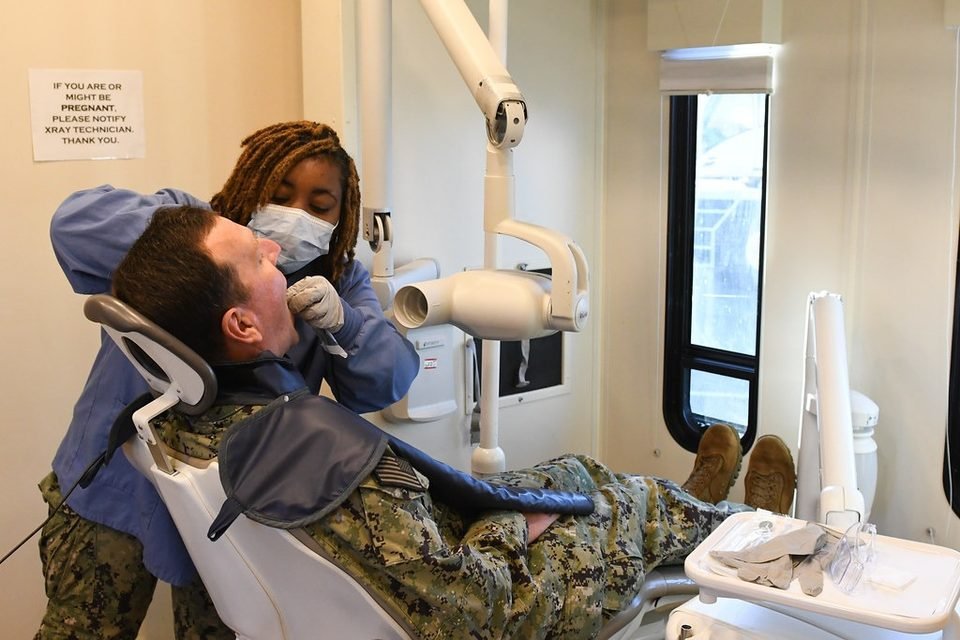
| Possible cause | What it often feels like | Usual next step |
|---|---|---|
| Normal healing (new crown) | Mild cold sensitivity, sore gum, improving daily | Wait, gentle care |
| Bite too high | Sore when chewing, tooth hits first | Quick bite adjustment |
| Irritated nerve | Lingering hot or cold pain, throbbing | Exam, X-ray, maybe root canal |
| Decay under an old crown | New sensitivity, dark gum edge, bad taste | New crown or filling |
| Infection or abscess | Throbbing, swelling, gum bump | Prompt dental visit |
| Cracked tooth or crown | Sharp pain on biting or releasing | Exam, repair or replace |
Gum soreness, grinding or clenching, and a crown that has loosened can also cause discomfort. Sometimes the pain is not even from the crowned tooth: a sinus problem or a neighboring tooth can send pain that feels like it comes from the crown.
Pain under a new crown: what is normal
Getting a crown means the dentist shapes the tooth, takes an impression or scan, and cements the final crown, often after a few weeks in a temporary. All of that can irritate the tooth and the gum for a little while.
What is usually expected
- Mild sensitivity to cold for the first days to a couple of weeks, especially if the tooth still has a living nerve
- A tender gum around the crown edge, where the gum was pushed back during the visit
- Jaw soreness from holding your mouth open for a long appointment
- A slightly different feel when you bite, which usually fades as you get used to it
The key point is the direction: normal discomfort gets a little better each day. If you had a rough time with the temporary, our guide on a tooth that hurts worse after a temporary crown covers that stage in more detail.
When the bite is too high
One of the most common and easiest problems to fix is a crown that sits slightly too high. Numbness during the visit makes it hard to judge your bite, so a tiny high spot can get missed. Every time you close your teeth, that tooth takes the hit first. Over a few days the tooth and the ligament around it get bruised and sore, and chewing hurts.
Signs include feeling that the crowned tooth touches before the others, soreness that is worse after meals, and pain when you tap the tooth. The fix is usually a short visit where the dentist marks your bite with colored paper and smooths the high spot. Do not try to adjust it yourself.
When the nerve is irritated
Preparing a tooth for a crown puts stress on the nerve (pulp) inside. Many nerves settle down. Some do not, especially in teeth that already had deep decay or big fillings. Warning signs of a nerve that is not recovering include pain to hot or cold that lingers after the drink is gone, throbbing that starts on its own, and pain that wakes you up. If that happens, your dentist may recommend a root canal through the crown. Cleveland Clinic notes that a root canal treats infected or inflamed pulp so the tooth can be saved.
Pain under an old crown
When a crown that has been comfortable for years suddenly starts to hurt, something has usually changed under or around it. A crown covers the tooth, but the edge where crown meets tooth can still decay, and the root and gum below it are still alive tissue.
Decay under the crown
Plaque can collect at the crown margin, especially if the gum has receded or the edge was never perfectly sealed. Decay there can spread under the crown where you cannot see it. You might notice new sensitivity, a bad taste, a dark line at the gumline, or a crown that feels loose. Cavities often cause no pain early on, which is why regular checkups and X-rays matter even with crowned teeth.
Infection or abscess
If decay reaches the nerve, or a nerve that was already weakened dies, an infection can form at the tip of the root. Mayo Clinic describes a tooth abscess as a pocket of pus caused by a bacterial infection, with symptoms that can include severe throbbing pain, sensitivity, pain on biting, swelling, fever and a bad taste if it drains. An abscess does not go away on its own and needs dental treatment.
Cracks, gum problems and grinding
The tooth under a crown can crack, and so can the crown itself, particularly in people who grind or clench. Gum disease around a crowned tooth can also make it sore. A chipped porcelain surface is a separate issue that may or may not need replacement; our guide to a chipped tooth crown explains the options.
Useful on Amazon for this job
As an Amazon Associate we earn from qualifying purchases. Always confirm fit for your exact vehicle or ask your dentist.
The Dental Recovery & Savings Bundle includes 4 ready-to-use scripts to lower your dental bill, so you know what to ask before agreeing to a redo, a root canal or a new crown. You also get a printable day-by-day recovery calendar to track how your tooth feels after treatment. Instant PDF, $12, 30-day money-back promise.
Get the savings scripts →
What to do about tooth crown pain
Until you can see your dentist, these general steps can help you stay comfortable. They are not a substitute for an exam.
- Call your dentist and describe the pain: when it started, what triggers it (cold, heat, biting), and whether it is getting better or worse. That helps them decide how soon you need to be seen.
- Use over-the-counter pain relievers as the label directs, if they are safe for you. Ask a pharmacist or doctor if you take other medicines or have health conditions. Our guide to the best painkiller for tooth nerve pain explains the common options.
- Use a toothpaste for sensitive teeth if cold is the main trigger.
- Chew on the other side and avoid very hard, sticky or very cold foods for now.
- Keep the area clean: brush gently and floss by sliding the floss out to the side rather than snapping it up, especially with a new crown.
- Do not put aspirin on the gum or try to file the crown yourself. Both can cause harm.
What your dentist may do
Depending on what they find, treatment may be as simple as a bite adjustment or a desensitizing treatment. For decay, a small edge might be repaired, but often the crown is replaced. If the nerve is inflamed beyond recovery or infected, a root canal may be done through the crown, and sometimes the crown is replaced afterward. A badly cracked tooth may not be savable, in which case extraction and a replacement tooth are discussed. Ask your dentist to explain the pros, cons and cost of each option before you decide.
How to lower the chance of crown pain later
- Clean the crown edge daily. Brush at the gumline twice a day with fluoride toothpaste and clean between teeth once a day. A crown cannot decay, but the tooth around its edge can.
- Keep regular checkups. X-rays can catch decay under a crown before it hurts.
- Ask about a night guard if you grind or clench, since grinding can crack crowns and teeth.
- Do not use your teeth as tools, and be careful with ice, hard candy and popcorn kernels.
- Report changes early. A crown that feels loose, a new bad taste or a new sensitivity is easier to fix when caught early.
See a dentist promptly if…
- Pain under a new crown is getting worse instead of better, or lasts longer than about two weeks
- Biting or chewing on the crowned tooth hurts
- Hot or cold pain lingers, or the tooth throbs on its own or wakes you up
- You see a pimple-like bump on the gum, or notice a bad taste or smell
- The crown feels loose, cracked, or has come off
Seek emergency care right away, or call 911, for facial or neck swelling that is spreading, fever with tooth pain, or trouble swallowing or breathing. These can be signs of a serious infection.
Frequently asked questions
How long does tooth crown pain last after a new crown?
Mild sensitivity or gum soreness often settles within a few days to about two weeks. If it is getting worse or still there after that, call your dentist.
Why does my crown hurt when I bite down?
Common reasons include a bite that is slightly too high, a cracked tooth, or inflammation around the root. A dentist can check your bite in a few minutes and adjust it if that is the cause.
Can you get a cavity under a crown?
Yes. The crown itself does not decay, but the natural tooth at the crown’s edge can, especially if plaque builds up there or the gum recedes.
Can a tooth with a crown get infected?
Yes. If decay reaches the nerve or the nerve dies, an infection can develop. It needs dental treatment, often a root canal or, in some cases, extraction.
Is throbbing pain under a crown an emergency?
Throbbing pain needs a prompt dental visit. It becomes an emergency if you also have spreading swelling, fever, or trouble swallowing or breathing.
Sources
- Cleveland Clinic. Dental Crowns.
- Cleveland Clinic. Root Canal.
- Mayo Clinic. Tooth Abscess.
- American Dental Association, MouthHealthy. Crowns.
- MedlinePlus. Tooth Decay.
This article is for general education and does not replace advice from your dentist, who can examine your tooth and find the cause of your pain.


