
Tooth Filling Fell Out With No Pain? Don’t Wait Long – Here’s The Emergency Fix
A filling fell out but nothing hurts? Why you should still act within two weeks, how to protect the tooth meanwhile, and what the repair costs.
Disclosure: This post contains affiliate links. If you buy through them, we may earn a small commission at no extra cost to you.
My Filling Fell Out With No Pain: Don’t Panic — Here’s Exactly What To Do
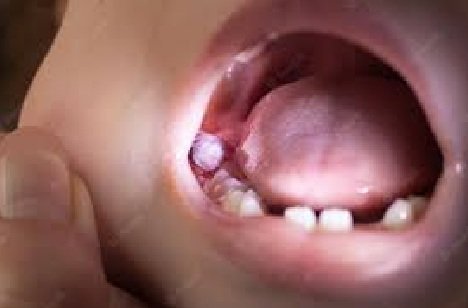
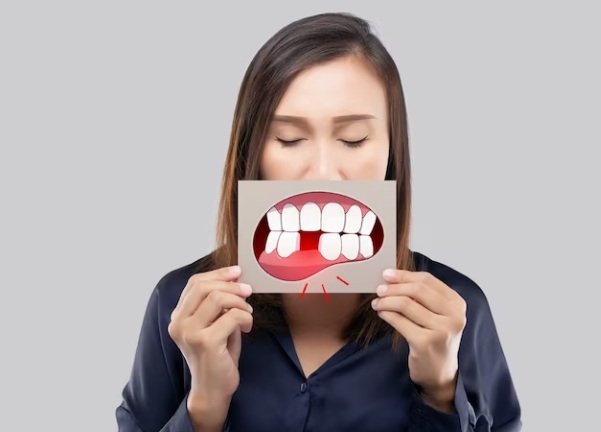
You’re running your tongue over your teeth and suddenly feel it — a crater where smooth enamel used to be. Panic kicks in. You realize a tooth filling has dislodged. But then you notice something confusing: there’s no pain.
When a filling fell out with no pain, it can feel like you got lucky.
But here’s the truth: even when it doesn’t hurt, a missing filling leaves your tooth exposed to bacteria and decay. If you wait too long, a simple repair can turn into a costly root canal or even a cracked tooth emergency.
This guide will help you stay calm and act smart. You’ll learn why fillings fall, what to do right now, and how to protect your tooth until your dental appointment.
Disclosure: As an Amazon Associate I earn from qualifying purchases. This helps support our free dental guides at no extra cost to you.
How Do I Know If My Filling Fell Out? (Signs To Look For)
A missing filling isn’t always obvious, especially if there’s no pain. Most people notice:
- A rough or sharp edge on the tooth.
- A hole or “dip” you feel with your tongue.
- Food getting stuck in a new spot.
- You bite something hard and realize it’s a piece of filling.
If you find the filling, save it in a clean tissue. Your dentist may want to see it.
Is It a Dental Emergency If There’s No Pain?
Usually it’s not an ER emergency today — but it is urgent enough to schedule a dental visit soon. A lost filling is like an open door: it may feel fine now, but bacteria can get in quickly.
Call your dentist ASAP if you notice:
- Swelling around the tooth or gums
- Pus, bad taste, or bad smell
- Bleeding that doesn’t stop
- Sharp edges cutting your tongue or cheek
- Sudden pain or fast sensitivity
[Important] Tooth decay, bleeding gums, and persistent bad breath are often signs of deeper oral health issues. Ignoring these problems can lead to more serious dental complications over time. Supporting your teeth and gums with a proven dental formula may help reduce bacteria, improve gum health, and keep your mouth fresh and clean every day.
Why Did My Filling Fall Out? (Common Causes)
- Recurrent decay: bacteria sneak under old fillings, softening the tooth.
- Wear and tear: chewing pressure and temperature changes weaken the bond over years.
- Hard or sticky food: ice, nuts, caramel, gummies, or gum can pull a filling loose.
- Grinding/clenching: if you grind at night, pressure builds until the filling pops out.
Even if it fell out after years, the tooth is now exposed and needs attention.
What Happens If You Leave a Lost Filling Too Long?
- New cavity growth: bacteria and food collect inside the hole.
- Weakened tooth: without support, the tooth may crack.
- Sudden pain later: infection can reach the nerve quietly then flare up fast.
- Root canal risk: deeper infection may require root treatment.
No pain today doesn’t mean no problem tomorrow.
Immediate Steps: How To Protect Your Tooth While Waiting
Until you see your dentist, do this:
- Rinse gently after meals.
- Brush softly around the affected tooth.
- Avoid chewing on that side.
- Skip hard, crunchy, sticky food.
If you can’t get in quickly, a temporary filling kit is the smartest short-term shield.
Step 1: Seal the Hole (Temporary Filling)
If your dentist can’t see you right away (weekend, travel, booked clinic), use a temporary filling kit to protect the tooth and block food/bacteria.
Dentemp Premium Dental Repair (Lost Filling Kit)

Why this helps right now:
- Blocks food & air from hitting the exposed tooth.
- No mixing — apply in minutes.
- Safe temporary cement dentists use.
Quick Comparison: Best Temporary Lost Filling Kits
These top kits can protect your tooth while you wait for the dentist. Choose the one that matches your case:
Dentemp Premium Dental Repair
- Fast, no-mix temporary seal.
- Great for most lost fillings.
- Comfortable feel.
Dentemp Maximum Strength (Pack of 6)

- Maximum strength temporary repair.
- Ideal if it keeps falling out.
- Multi-pack value.
DenTek Temparin Max Kit

- One kit can cover many repairs.
- Sets quickly and seals well.
- Great budget option.
DenTek Temparin One Step

- Ready-to-use paste.
- Great for small holes.
- Quick and gentle feel.
Reminder: These kits are temporary. If swelling, throbbing, or pain appears, contact your dentist quickly.
Step 2: Cover Sharp Edges (Dental Wax)
If the missing filling left a sharp edge that cuts your cheek or tongue, dental wax gives instant comfort.
GUM Orthodontic Wax (Vitamin E & Aloe Vera)

- Stops cutting instantly by covering sharp enamel.
- Clear & discreet (barely noticeable).
- Soothing Vitamin E & Aloe helps irritated tissue heal.
🩹 Quick relief kit — Take a deep breath and use these safe over-the-counter solutions to protect your tooth and relieve discomfort right now.
- DenTek Temparin Max Lost Filling and Loose Cap Repair KitTemporarily seals the exposed cavity to block bacteria and prevent sensitivity.
- Orajel 4X Clinical Strength Toothache Pain Relief GelProvides fast, targeted numbing relief if your exposed tooth becomes painful.
- Colgate Peroxyl Antiseptic Mouth Sore RinseCleanses the exposed tooth area to prevent infection and soothe irritation.
Affiliate links. Not medical advice — see a dentist for severe or worsening pain.
What Will the Dentist Do? (Replacing a Lost Filling)
Your dentist will examine the tooth and usually take an X-ray. Any soft decay is removed, the area cleaned, then a new filling is placed (often tooth-colored composite).
If the hole is large or the tooth is weak, a crown may be recommended instead of another basic filling.
How To Prevent Fillings From Falling Out Again
- Brush twice daily and floss every tooth.
- See your dentist regularly to catch weak fillings early.
- Avoid chewing ice or sticky candy.
- If you grind at night, protect your fillings with a guard.
Dental Guard SMARTGUARD Elite (2 Guards + Case)

- Designed to stop grinding pressure (top reason fillings fail).
- Front-teeth design prevents back teeth from shattering fillings.
- Comfortable mold-from-home fit.
- Value pack: includes 2 guards + travel case.
Dangerous home “hacks” to avoid
- Aspirin on the gum or tooth. Aspirin is an acid; it chemically burns the gum and does nothing for the pain. Swallow pain relievers as the label directs, never place them.
- Undiluted clove oil on an open wound or socket. A trace on a tooth can numb briefly; neat clove oil on gum tissue or a fresh socket causes burns and delays healing.
- Rinsing with alcohol, whisky, or hydrogen peroxide. They dry and irritate tissue, disturb a healing clot, and interact with pain relievers. Warm salt water is enough.
- Popping or draining a swelling yourself. Pushing on an abscess can spread the infection. Cold outside the cheek, and a dentist today.
- Leftover or borrowed antibiotics. They mask symptoms for a few days, breed resistant bacteria, and the tooth still needs treatment.
- Heat on a swollen face. Heat increases blood flow and swelling around an infection; use cold until a dentist has seen it.
Conclusion & Essential Care Plan
A lost filling is a warning sign, not just an inconvenience. Even if it doesn’t hurt now, the tooth is exposed and needs protection. Act early and you’ll avoid bigger dental problems later.
🦷 Complete Emergency Care Plan
What you need while waiting for the dentist:
Frequently Asked Questions (FAQ)
1. My filling fell out but it doesn’t hurt — can I wait?
You shouldn’t wait long. Even if there’s no pain, the tooth is exposed to bacteria and decay. A quick dental visit now can prevent a bigger problem later like a root canal or a broken tooth.
2. How long can I leave a lost filling untreated?
Ideally, schedule a dental appointment within a few days. If you must wait longer, protect the tooth with a temporary filling kit, avoid chewing on that side, and keep the area clean.
3. What should I do immediately after a filling falls out?
Rinse gently, avoid hard or sticky food, don’t chew on that side, and cover the hole with a temporary filling if needed. If sharp edges are bothering your tongue, use dental wax.
4. Can a missing filling cause infection even without pain?
Yes. Infection can develop quietly under the surface. Pain may only appear later once the nerve is involved, which is why early replacement matters.
5. Is a temporary filling safe to use at home?
Yes, temporary filling materials are designed for short-term protection. They’re not a permanent fix, but they help seal the area until you reach your dentist.
6. What if food keeps getting stuck in the hole?
Rinse after meals and floss gently. Avoid toothpicks. If the tooth feels sensitive or you notice a bad taste, see your dentist sooner.
7. Why do fillings fall out after years?
Fillings wear down over time. Chewing pressure, grinding, and small gaps forming around the filling can loosen it. Old fillings often need replacement eventually.
8. Will I need a new filling or a crown?
Your dentist will decide based on the size of the cavity and strength of the tooth. Small areas usually get a new filling, while large weak areas may need a crown.
9. Can grinding cause fillings to fall out?
Absolutely. Night grinding puts huge pressure on fillings. If this is your case, using a night guard can prevent repeat failures.
10. When should I call an emergency dentist?
Call immediately if you get swelling, severe pain, bleeding, a bad taste/pus, or if the tooth breaks. Those are signs you need urgent care.
💙 Did this guide help you?
Go Fix Teeth is reader-supported. A small donation keeps expert dental advice free for the next person in pain.
💙 Donate now