How Long Should a Tooth Hurt After a Filling? Normal Recovery
Wondering how long a tooth should hurt after a filling? Learn normal recovery timelines, why sensitivity occurs, and when to consult your dentist.
Disclosure: This post contains affiliate links. If you buy through them, we may earn a small commission at no extra cost to you.
After having a tooth filled, it is not unusual to suffer discomfort or sensitivity.
If the pain persists for a lengthy period, it may indicate a more severe condition.
How long should a tooth hurt after a filling? Below is an analysis of the reasons for post-filling tooth discomfort and a discussion of its duration.
How long should a tooth hurt after a filling?
A dental filling is a restorative operation to restore a decayed or injured tooth. The technique comprises removing the decaying or broken portion of the tooth, cleaning the afflicted region, and filling the cavity to restore the tooth’s form and function.
Composite resin, porcelain, and amalgam are frequently utilized as filler materials. The filling material is carefully chosen to match the original tooth’s color and texture and produce a solid and long-lasting restoration.
Typically, the dental filling technique contains the following steps:
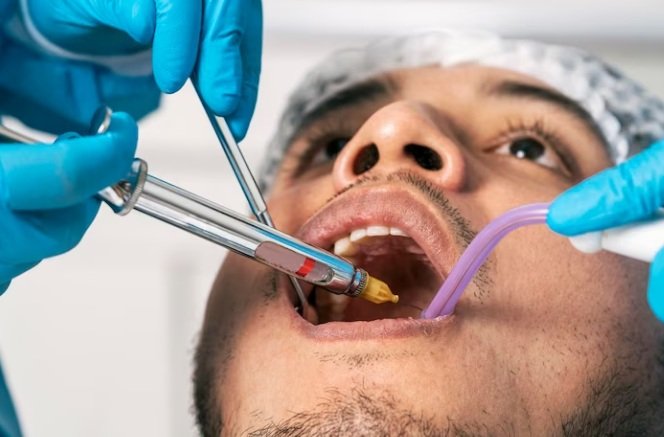
- A local anesthetic is applied to the afflicted tooth and its surrounding region to guarantee that the patient experiences no discomfort during the surgery.
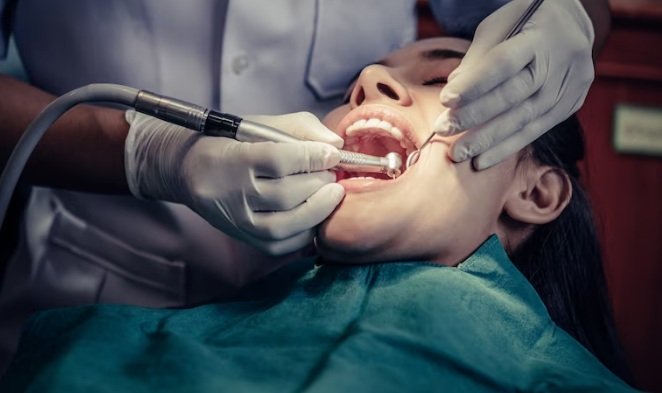
- It uses a drill or laser to remove the section of the tooth that is damaged or decaying.
- eliminating any trash or microorganisms from the afflicted region.
- adhering the filling material to the tooth by applying an adhesive.
- Putting the filling material into the cavity and carefully shaping and polishing it to resemble the tooth’s natural appearance.
- using a specific light or chemical to harden the filler substance.
- Monitoring and correcting the bite ensures that the filling does not impair the patient’s ability to bite or chew.
Depending on the cavity’s size and location, filling usually takes less than an hour.Patients may suffer moderate sensitivity or discomfort following the operation. However, this often fades within a few days.
After receiving a filling, it is usual to suffer sensitivity or soreness in the tooth. Nevertheless, the duration and intensity of the pain can vary based on various circumstances, including the size of the filling, the filling material used, and the individual’s pain threshold.
Typically, mild to moderate sensitivity following a filling might linger anywhere from a few days to weeks.
Often, this is caused by the inflammation of the tooth and surrounding tissues resulting from the dental operation. In certain instances, the pain may remain or intensify, indicating a more severe condition, such as an infection or nerve damage.
Practicing proper oral hygiene, such as frequent brushing and flossing, and avoiding hard or chewy foods that might irritate the tooth is essential. Ibuprofen and other over-the-counter pain relievers may also help treat the discomfort.
If the pain remains or increases after a few days, you must visit your dentist for examination and treatment.
Tooth pain after filling when chewing
tooth pain after filling when chewing only may indicate that the filling is not correctly aligned with the tooth or is too high.
- When a filling is not aligned correctly, it can cause the tooth to strike the opposing tooth at an unnatural angle, resulting in pain and suffering.
- When a filling is excessively high, the tooth may come into contact with the opposing tooth with excessive force, resulting in discomfort.
You must see your dentist immediately if you have tooth discomfort following a filling while chewing. They may evaluate the filling and make any required modifications to ensure it is aligned correctly and is not too high. This may entail eliminating a small portion of the filling material or modifying the filler’s form.
Avoid chewing on the afflicted side of your mouth and stick to soft, easy-to-chew items in the meantime. Pain medications available without a prescription, such as an acetaminophen or ibuprofen, might also help lessen discomfort. Call your dentist immediately for additional examination and treatment if the pain persists or worsens.
How long for deep filling to settle down?
A deep filling is a dental treatment used to restore a tooth with an advanced cavity that has reached the inner layers of the tooth. So how long for a deep filling to settle.
When a cavity is left untreated, it can migrate from the outer layer of the tooth (enamel) to the inner layers (dentin and pulp) and can cause pain and sensitivity.
A deep filling involves the removal of the decaying area of the tooth and its replacement with composite resin or amalgam.Deep fillings are often utilized when the cavity has gone past the outer layer of the tooth and is close to the nerve or when the hole is massive.
The method for a deep filling is identical to that of standard packing. However, it may take longer and require more drilling to remove all the decay and prepare the tooth for the filling material.
It is crucial to undergo a thorough filling as soon as possible to prevent additional deterioration and other consequences, such as infection or the need for a root canal.
After receiving a deep filling, it is common to have some sensitivity and discomfort in the impacted tooth. This is because the filling procedure can cause some damage to the tooth, and it takes time for the tooth to recover and settle down. The time required for a deep filling to settle may vary depending on the size of the packing and the individual’s healing process.
Generally, it takes several days to several weeks for a deep filling to settle. At this time, it is crucial to maintain good dental hygiene and avoid chewing on hard or sticky foods that may irritate the tooth further. To alleviate pain, over-the-counter drugs such as acetaminophen and ibuprofen can be used.
If the sensitivity and discomfort remain or intensify after a few weeks, scheduling an assessment with your dentist is essential. To address the underlying source of the discomfort, they may need to modify the filling or propose further therapy.
💙 Did this guide help you?
Go Fix Teeth is reader-supported. A small donation keeps expert dental advice free for the next person in pain.
Dangerous home “hacks” to avoid
- Aspirin on the gum or tooth. Aspirin is an acid; it chemically burns the gum and does nothing for the pain. Swallow pain relievers as the label directs, never place them.
- Undiluted clove oil on an open wound or socket. A trace on a tooth can numb briefly; neat clove oil on gum tissue or a fresh socket causes burns and delays healing.
- Rinsing with alcohol, whisky, or hydrogen peroxide. They dry and irritate tissue, disturb a healing clot, and interact with pain relievers. Warm salt water is enough.
- Popping or draining a swelling yourself. Pushing on an abscess can spread the infection. Cold outside the cheek, and a dentist today.
- Leftover or borrowed antibiotics. They mask symptoms for a few days, breed resistant bacteria, and the tooth still needs treatment.
- Heat on a swollen face. Heat increases blood flow and swelling around an infection; use cold until a dentist has seen it.
Products that can help
Sensodyne Rapid Relief Sensitive Toothpaste
Why it helps: Calms nerve pathways triggered by hot, cold, or pressure sensitivity after a recent cavity filling.
- Fast Acting: Creates a protective barrier over exposed dentin tubules to dull sharp nerve responses quickly.
- Cavity Protection: Contains stannous fluoride to strengthen tooth enamel and guard against secondary decay.
- Gentle Formula: Specially designed for daily brushing when teeth feel tender after dental procedures.
Sensodyne Precision Extra Soft Toothbrush (4 Pack)
Why it helps: Cleans thoroughly around fresh restorative work without irritating sensitive gums or tender enamel.
- Extra-Soft Bristles: Minimizes abrasive pressure near newly filled teeth and healing gum tissue.
- Compact Brush Head: Easily reaches back molars where composite and amalgam fillings are commonly placed.
- Controlled Cleaning: Ergonomic handle helps prevent accidental hard scrubbing on delicate areas.
MedVice Hot and Cold Gel Ice Pack for Jaw Pain Relief
Why it helps: Delivers targeted hands-free cooling to soothe cheek swelling and jaw stiffness after prolonged dental visits.
- Hands-Free Wrap: Built-in adjustable strap securely holds cooling gel packs against your cheeks while you rest.
- Flexible Fit: Microfiber gel packs remain pliable when frozen to contour comfortably around the jawline.
- Dual Function: Can be chilled to numb acute post-op pain or warmed to relax tight jaw muscles.
As an Amazon Associate we earn from qualifying purchases. Recommendations are based on published guidance and verified owner reviews, not sponsorship.