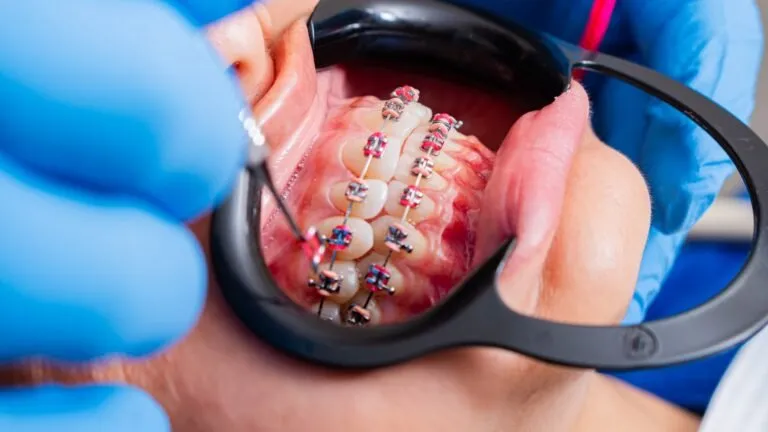
Teeth Cleaning Before and After: Deep Cleaning Results (2026)
Explore real teeth cleaning before and after results. Learn what happens during deep dental cleanings, recovery tips, safety facts, and healing timelines.
Disclosure: This post contains affiliate links. If you buy through them, we may earn a small commission at no extra cost to you.
Key Takeaways on Dental Cleanings and Teeth Cleanings
- Visible Reset: Professional dental cleanings safely remove plaque buildup and hardened calculus, leaving teeth noticeably brighter and gums free of inflammation.
- Standard vs. Deep Cleanings: Regular dental checkups and routine cleanings focus above the gumline, while deep cleanings treat deep periodontal pockets under local numbing to protect the tooth root and surrounding bone.
- Safe & Essential: Knowing how to remove plaque and subgingival bacteria prevents progressive bone loss, loose teeth, and systemic health complications.
- Routine Maintenance: Most patients need preventive checkups every six months, while periodontal maintenance may require visits every 3 to 4 months to maintain a healthy smile and optimal oral hygiene.

🫶 What you are feeling right now is normal.
Fear, a strange taste, a throbbing that seems louder at night, and the urge to keep checking the spot with your tongue: almost everyone recovering from dental work goes through this. Panic is what leads to harmful shortcuts (poking the wound, rinsing with alcohol, taking someone else’s antibiotics).
Breathe, follow the steps below, and use the checklist at the end to decide whether you need a call to the dentist today.
📩 Important: after you sign up, open the email from Go Fix Teeth and tap Confirm. Your PDF opens right away. Not there? Check Spam or Promotions.
The Wake-Up Call: Why Did I Need a Deep Cleaning to Remove Plaque?
For years, I thought seeing a little “pink in the sink” after brushing my mouth was totally normal. I just assumed I was brushing too hard or needed gentler flossing. I was wrong. A standard dental cleaning only polishes the visible enamel surfaces of your teeth above the gumline to remove surface stains and light plaque. However, if you develop gingivitis or periodontitis, plaque hardens into toxic tartar (calculus) below the gumline. Your gums become inflamed and start pulling away from the tooth, creating periodontal pockets where bacterial plaque buildup thrives. Healthy gums have a pocket depth of 1 to 3 millimeters. Mine were hitting 4 and 5 millimeters. At that depth, your toothbrush and dental floss are completely useless. If left untreated, the trapped bacteria will literally eat away at the jawbone, leading to loose teeth, severe decay, and eventually tooth loss. A deep cleaning (clinically known as Scaling and Root Planing) is the only way for your dentist or periodontist to reach the tooth root and eliminate that deep infection.Is Deep Cleaning Teeth Safe? Addressing Dental Health and Buildup Concerns
This was the exact question I typed into the search bar: “Is it safe, or will it damage my teeth?” The honest answer: Yes, deep cleaning is incredibly safe. In fact, the only real danger is refusing to get it done when your dentist recommends cleanings. Allowing stubborn plaque buildup and tartar to remain under your gums is like leaving a toxic splinter in your finger; it will trigger chronic inflammation throughout your mouth. Recent 2026 medical studies heavily link untreated gum disease to severe systemic issues, including heart disease, strokes, and diabetes complications. The dental procedure does not damage your enamel; it merely removes the dirty cement preventing your gums and tooth roots from healing properly.Deep Cleaning Teeth Before and After Pictures: The Visual Proof for a Healthy Smile
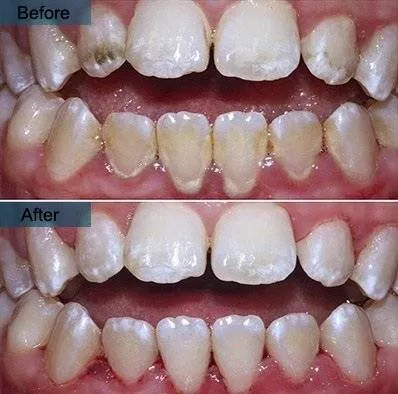
Seeing the visual transformation is what finally gave me the courage to sit in the chair. The difference isn’t just cosmetic; regular dental cleanings provide a total medical reset for a healthy smile.
- Before: My gums were puffy, dark red, and looked inflamed from constant bacterial buildup and plaque. They bled easily during brushing, and no matter how much mouthwash I used, I struggled with lingering bad breath.
- After (2-3 Weeks Later): The transformation was undeniable. As the inflammation vanished, my gums turned a healthy, firm, pale pink. They tightly hugged each tooth again, the bleeding completely stopped, and my breath was finally fresh. Note: Your teeth might look slightly “longer” afterward, but this isn’t gum recession—it’s just the swollen, diseased gums shrinking back to their normal, clean, healthy size.
What to Know Heading into a Dental Cleaning: Simple Ways to Prepare for Teeth Cleanings
Do you have a professional dental cleaning coming up? Preparing ahead of time helps ensure the most comfortable appointment possible. When your dental hygienist performs a thorough examination of your teeth and gums, having a clean starting point helps them focus on stubborn calculus and plaque buildup rather than loose food debris.- Brush and Floss Beforehand: Take a few minutes to brush your teeth, clean your mouth, and floss before your visit out of courtesy to your provider and to clear soft surface debris.
- Keep Meals Light: Avoid heavy or greasy meals directly before your appointment. You can eat normally beforehand unless your dental office specifically requests sedation fasting.
- Share Your Medical History: Inform your clinician about any changes in medications, pregnancy, or recent surgeries. If you have severe dental anxiety, discuss numbing gel options before the deep cleaning procedure begins.
- Understand the Financial Investment: Costs can vary widely depending on whether you require regular dental cleanings or intensive root scaling; check out our guide on how much is a dental cleaning without insurance to plan your budget.
The 2026 Experience: What Actually Happens During Dental Cleanings in the Chair?
If you are picturing an hour of painful scraping with sharp metal hooks, you need to know that modern dentistry has completely transformed. While traditional Scaling (removing tartar) and Root Planing (smoothing the tooth root surfaces) are still the foundation, the 2026 delivery is entirely different and incredibly gentle on your enamel and gums.1. Pain-Free Numbing During Deep Cleaning
Because the dentist or hygienist works below the gums around sensitive tooth roots, you will be numbed. My clinic used a powerful topical gel before the local anesthetic. I felt a tiny pinch, and then… nothing. During the actual cleaning, I felt absolutely zero pain—just pressure, vibrations, and water. Usually, dental practices split deep teeth cleanings into two visits (left side, then right side) so your whole mouth isn’t numb at once.2. Guided Biofilm Therapy (GBT) & Airflow to Remove Plaque
Many modern clinics now utilize Guided Biofilm Therapy. They apply a harmless dye that makes all the invisible bacteria and plaque glow. Then, instead of aggressive scraping, they use an “Airflow” device—a soothing spray of warm water, air, and fine erythritol powder—to painlessly remove plaque and soft biofilm without harming enamel.3. Ultrasonic Scalers and Laser Dentistry to Eliminate Plaque Buildup
For hardened calculus and deep tartar buildup, they used a vibrating ultrasonic scaler that gently breaks up stubborn deposits with high-frequency sound waves. The absolute best part? My dentist finished the session with a soft-tissue dental laser. The laser instantly sterilized the deep periodontal pockets and sealed the gums, which drastically reduced bleeding, preserved bone support, and cut my recovery time in half!The First 48 Hours: How to Care for Your Teeth After Deep Cleaning
Once the numbing wore off, my gums felt tender and “bruised,” and my teeth were surprisingly sensitive to cold water. This is a normal part of the healing process! Here is how to proper care for your teeth and protect each healing tooth during recovery:- Warm Saltwater Rinses: I rinsed with a teaspoon of salt in warm water three times a day. It is nature’s best anti-inflammatory for your mouth and instantly soothed gum soreness.
- The Soft Diet: I stuck to smoothies, mashed potatoes, and lukewarm soups for the first 48 hours to avoid poking my tender gums with crunchy foods like chips.
- Sensitivity Toothpaste: Switching to a toothpaste designed for sensitive teeth and fortified with fluoride was a lifesaver for temporary cold sensitivity.
After Your Cleaning: How to Care for Your Teeth and Keep a Healthy Smile with Regular Dental Visits
To preserve your results and prevent recurrent buildup, committing to daily habits and regular dental visits is crucial. Routine oral hygiene stops soft biofilm from hardening into stubborn plaque and tartar. According to the Cleveland Clinic, regular dental cleanings combined with diligent home care are the most reliable defense against periodontitis. For an in-depth breakdown of what happens during subgingival root smoothing, see our dedicated teeth scaling before and after guide.- Brush Twice Daily: Use a soft-bristled electric toothbrush with an ADA-accepted fluoride toothpaste to remineralize enamel, remove plaque, and fight tooth decay.
- Clean Interdentally Every Day: Traditional floss, flossing tools, or interdental brushes remove plaque buildup from contact areas between each tooth where toothbrush bristles cannot reach.
- Watch What You Consume: Limit sugary snacks and dark drinks like coffee and red wine that stain teeth, promote decay, or feed acid-producing bacteria in your mouth.
- Consider Cosmetic Brightening Later: If you want to further enhance your aesthetics once your gums have fully healed, you can evaluate the best teeth whitening kit options recommended by dental professionals.
Dangerous home “hacks” to avoid
- Aspirin on the gum or tooth. Aspirin is an acid; it chemically burns the gum and does nothing for the pain. Swallow pain relievers as the label directs, never place them.
- Undiluted clove oil on an open wound or socket. A trace on a tooth can numb briefly; neat clove oil on gum tissue or a fresh socket causes burns and delays healing.
- Rinsing with alcohol, whisky, or hydrogen peroxide. They dry and irritate tissue, disturb a healing clot, and interact with pain relievers. Warm salt water is enough.
- Popping or draining a swelling yourself. Pushing on an abscess can spread the infection. Cold outside the cheek, and a dentist today.
- Leftover or borrowed antibiotics. They mask symptoms for a few days, breed resistant bacteria, and the tooth still needs treatment.
- Heat on a swollen face. Heat increases blood flow and swelling around an infection; use cold until a dentist has seen it.
When to See a Dentist for Plaque Buildup, Gum Infection, or Persistent Pain
While minor soreness is expected right after getting a teeth cleaning, certain warning signs require immediate clinical evaluation by your periodontist or dentist. Contact your dental office if you experience:- Persistent bleeding that does not subside after 48 hours of gentle brushing and flossing.
- Gums that continue to severely swell, throb, or produce pus around a tooth root.
- Numbness in your lips, tongue, or chin that lasts longer than 6 to 8 hours after local anesthesia.
- Severe, escalating tooth pain or sensitivity that does not respond to over-the-counter pain relief.
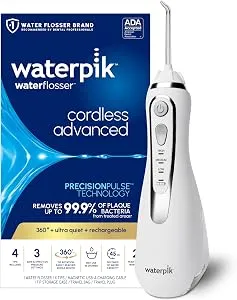
🛒 Products that can help
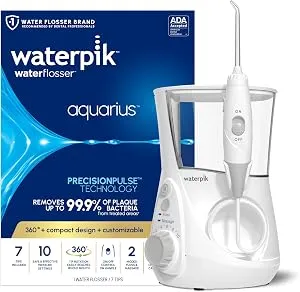
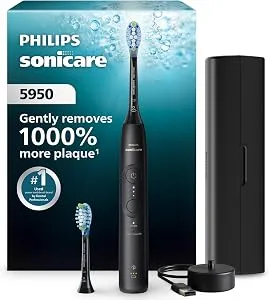
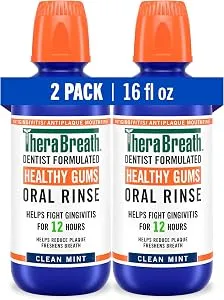
As an Amazon Associate we earn from qualifying purchases. Recommendations are based on published guidance and verified owner reviews, not sponsorship.
Frequently Asked Questions About Dental Cleanings and Teeth Cleanings
How long does teeth cleaning usually last?
A standard routine dental cleaning typically lasts between 30 and 60 minutes. Deep cleanings (scaling and root planing) require more meticulous care to clear deep buildup and plaque, and often take 1 to 2 hours, frequently divided across two appointments.Do your teeth look whiter after a cleaning?
Yes. Removing exterior stain buildup and yellow tartar makes teeth appear cleaner, brighter, and noticeably whiter, though deep intrinsic tooth discoloration requires chemical bleaching.Is teeth cleaning good or not?
Teeth cleanings are undeniably good and essential for long-term health. Regular dental cleanings remove destructive bacterial colonies, reverse gingivitis, protect against tooth loss and bone resorption, and lower markers of body-wide inflammation.How painful is a dental deep cleaning?
With modern topical numbing agents and local anesthesia, the procedure itself is virtually painless. Patients generally feel only light pressure and water spray, with mild tenderness during the initial 24 to 48 hours of recovery.Can I eat before my dental cleaning appointment?
Yes, you can eat light foods and drinks before your cleaning. Just make sure to brush and floss your teeth right after eating so your mouth is fresh for the dental hygienist.Can I request a specific dental hygienist for my cleaning appointment?
Yes, most dental practices allow you to request your preferred dental hygienist when you book your appointment. Consistent care with the same clinician helps them monitor subtle changes in your gum health, pockets, and enamel over time.Can I wear makeup or jewelry to my dental cleaning appointment?
It is best to wear minimal makeup (especially avoiding sticky lip gloss or heavy lipstick) and remove long necklaces or dangling earrings, as water mist and dental equipment can cause smudging or catch on accessories.This article is for informational purposes only and is not a substitute for professional dental advice. Consult your dentist for personal recommendations.
The Dental Recovery & Savings Bundle includes 4 word-for-word scripts to ask for a cash discount or payment plan, a pre-treatment question checklist, and an 18-procedure US cost table. Instant PDF, $12, 30-day money-back promise.
Get the savings scripts →