Tooth Infection Spread to Brain: Symptoms to Know
Tooth infection spread to brain symptoms: severe headache, fever, confusion, stiff neck, swelling near the eye. Rare but serious. Call 911 or go to the ER.
✅ Quick answer
A tooth infection spreading to the brain is rare, but it is a medical emergency. Warning signs include a severe headache, fever, confusion or unusual drowsiness, a stiff neck, swelling that spreads toward the eye or down the neck, and trouble swallowing or breathing. If you have a tooth infection and notice any of these, call 911 or go to the nearest emergency room right away. Do not try to treat these symptoms at home or wait for a dental appointment.
Most tooth infections stay in or around the tooth and are treated by a dentist with drainage, a root canal or an extraction, sometimes along with antibiotics. In uncommon cases, though, bacteria from an untreated abscess can travel beyond the jaw. Because the upper teeth sit close to the sinuses and the veins around the eye, an infection there can occasionally reach the area around the brain.
This guide explains, calmly and plainly, how that can happen, the symptoms that mean you need emergency care now, and what to expect at the hospital. It is not meant to frighten you. The goal is to help you recognize the signs early, because fast treatment matters.
📩 Important: after you sign up, open the email from Go Fix Teeth and tap Confirm. Your PDF opens right away. Not there? Check Spam or Promotions.
Red-flag symptoms: when a tooth infection may have spread
If you have a known or suspected tooth infection, these are the signs that it may be spreading beyond the tooth:
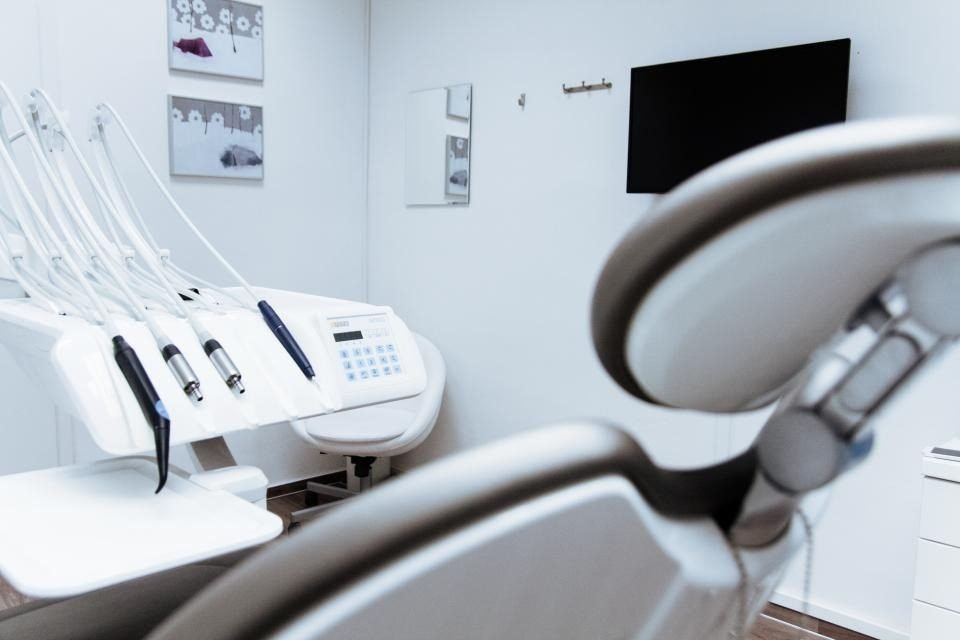
| Warning sign | What to do |
|---|---|
| Severe or worsening headache | ER now / call 911 |
| Fever with tooth or face pain | Same-day ER or urgent care |
| Confusion, drowsiness, seizure | Call 911 |
| Stiff neck or pain bending head forward | ER now / call 911 |
| Swelling spreading to eye or neck | ER now |
| Trouble swallowing or breathing | Call 911 |
You don’t need to have all of these. Even one, in someone with a tooth infection, is a reason to get emergency medical care. Mayo Clinic advises going to an emergency room if you have a fever and swelling in your face and can’t reach your dentist, or if you have trouble breathing or swallowing.
Other symptoms to take seriously
- Vision changes, double vision, or pain when moving the eye
- A drooping or bulging eyelid, or an eye that becomes red and swollen
- Weakness, numbness or tingling on one side of the face or body
- Trouble speaking, or slurred speech
- Nausea and vomiting together with a severe headache
- Sensitivity to light
- Feeling very unwell, with chills or a racing heartbeat
These can also be signs of other serious conditions. Whatever the cause, they need to be checked by a doctor right away, not at a routine appointment.
How can a tooth infection reach the brain?
A tooth abscess is a pocket of pus caused by bacteria, usually from deep decay, a cracked tooth or gum disease. If it is not treated, the infection can push into the surrounding bone and soft tissue. From there, a few routes are possible:
- Through the sinuses. The roots of the upper back teeth sit close to the maxillary sinuses. An infection can spread into a sinus and, less often, from there toward the skull.
- Through veins near the eye. Veins in the face drain toward a space behind the eyes called the cavernous sinus. Infection here can cause a blood clot, which is why swelling around the eye and vision changes are serious signs.
- Through the bloodstream. Bacteria can enter the blood and travel to other parts of the body, including the brain.
- Into the neck. Lower tooth infections more often spread down into the floor of the mouth and neck, which can threaten the airway. This is why swelling under the jaw and trouble swallowing are emergencies too.
Possible complications include a brain abscess, meningitis (inflammation of the lining around the brain), and a clot in the veins near the eye. These are uncommon, but they can be life-threatening without quick hospital treatment. For a broader look at how dangerous an untreated infection can become, read how long until a tooth infection kills you.
Who is at higher risk?
Anyone with an untreated abscess can have it spread, but the risk is generally higher when:
- The infection has been left untreated for a long time
- The immune system is weakened, for example by diabetes that isn’t well controlled, chemotherapy, long-term steroid use, or HIV
- Swelling keeps growing even after starting antibiotics
- The infected tooth is an upper back tooth or a lower molar
- A person has delayed care because of cost, fear or lack of access
If you have been taking antibiotics for a dental infection and your face is still swollen or getting worse, contact your dentist the same day. Our guide on a tooth abscess still swollen after 3 days of antibiotics explains what that can mean and what to ask.
What happens at the emergency room
Knowing what to expect can make the decision to go a little easier. Emergency teams see dental infections often. Depending on your symptoms, care may include:
- A quick assessment of your breathing, heart rate, temperature and alertness
- Blood tests to look for signs of a spreading infection
- Imaging, such as a CT scan or MRI of the head, face or neck
- IV antibiotics, which reach the infection faster and at higher levels than pills
- Drainage of pus, sometimes surgically, and removal or treatment of the infected tooth
- A hospital stay for monitoring if the infection has spread
Under federal law, hospital emergency departments in the US must screen and stabilize anyone with an emergency medical condition, regardless of insurance or ability to pay. Don’t let worry about the bill stop you from going when you have red-flag symptoms.
Once you are safe, the Dental Recovery & Savings Bundle can help with what comes next. It includes 4 ready-to-use scripts to lower your dental bill for the follow-up root canal or extraction, plus a printable day-by-day recovery calendar. Instant PDF, $12, 30-day money-back promise. If you have any red-flag symptom above, get emergency care first.
Get the savings scripts →
Why home remedies are not an option here
Salt water rinses, cold compresses and over-the-counter pain relievers can ease the discomfort of a simple toothache while you wait for a dental visit. They cannot treat an infection that has spread beyond the tooth, and they can hide how serious things are.
If you have any of the red-flag symptoms in this article, please do not:
- Wait to see whether it improves overnight
- Try leftover antibiotics or antibiotics bought without a prescription
- Try to drain or pop a swelling yourself
- Drive yourself if you are confused, drowsy or having trouble breathing
Antibiotics for a dental infection should be prescribed by a dentist or doctor who has examined you, and even then they work alongside treating the tooth, not instead of it. You can read more about why in our guide to over-the-counter options for a tooth infection. For an infection with spreading symptoms, the only right step is emergency medical care.
How to lower your risk
The best way to prevent a dental infection from spreading is to treat it early. Signs of a tooth abscess include throbbing pain, pain when biting, sensitivity to hot and cold, a bad taste, swelling in the gum or face, and a pimple-like bump on the gum. If you notice these, call a dentist promptly, even if the pain eases. Sometimes pain stops because the nerve has died, while the infection keeps going.
- See a dentist within a day or two for tooth pain with swelling
- Finish any antibiotics exactly as prescribed, and still complete the dental treatment
- Keep regular checkups so decay is caught before it reaches the nerve
- If cost is a barrier, the National Institute of Dental and Craniofacial Research lists dental schools and community clinics that offer lower-cost care
Call 911 or go to the ER now if…
- You have a severe headache, a stiff neck, or confusion along with a tooth infection
- Swelling is spreading to your eye, under your jaw or down your neck
- You have trouble swallowing, breathing, or opening your mouth
- You have a high fever, chills, or feel very unwell
- You have vision changes, a seizure, or new weakness or numbness
For a tooth infection without these signs, contact a dentist the same day or as soon as possible. If you can’t get a dental appointment quickly, see I need a tooth pulled immediately for options.
Frequently asked questions
How common is it for a tooth infection to spread to the brain?
It is rare. Most tooth infections are treated successfully by a dentist. The risk rises when an abscess is left untreated or the immune system is weak.
How fast can a tooth infection spread to the brain?
There is no fixed timeline. It can take a long time or progress quickly once the infection spreads, which is why any red-flag symptom needs emergency care right away.
Can a tooth infection cause a headache?
Yes, tooth pain can spread to the head, especially from upper teeth. But a severe, unusual headache with fever, stiff neck or confusion is an emergency.
Should I go to the ER or the dentist for a tooth infection?
Go to the dentist for pain and mild gum swelling. Go to the ER or call 911 for facial swelling that is spreading, fever, trouble breathing or swallowing, or any brain-related symptoms.
Can antibiotics alone cure a tooth infection?
Usually not. Antibiotics can control the spread, but the source, the infected tooth, still needs treatment such as drainage, a root canal or an extraction.
Sources
- Mayo Clinic. Tooth Abscess.
- MedlinePlus. Tooth Disorders.
- MedlinePlus. Dental Health.
- National Institute of Dental and Craniofacial Research. Finding Low-Cost Dental Care.
This article is for general education and does not replace care from a doctor or dentist. If you think you have a medical emergency, call 911 or go to the nearest emergency room.