Before and After Wisdom Teeth Removal: 2026 Complete Recovery Guide
Before and after wisdom teeth removal: a complete recovery guide with what to expect each day, swelling, pain and foods.
Disclosure: this article contains affiliate links. As an Amazon Associate, Go Fix Teeth earns from qualifying purchases at no extra cost to you. Prices and availability are those shown on Amazon at the time you visit.
Wisdom teeth extraction remains one of the most common oral surgery procedures performed in 2026. Whether your wisdom teeth have fully erupted or become impacted beneath the gum line, understanding what happens before and after the procedure can significantly reduce anxiety and improve your recovery experience.
This comprehensive guide walks you through everything you need to know about wisdom teeth removal—from the initial consultation through complete healing—so you can approach the procedure with confidence and recover smoothly.
📩 Important: after you sign up, open the email from Go Fix Teeth and tap Confirm. Your PDF opens right away. Not there? Check Spam or Promotions.
Make the next few days easier
Having these basics ready at home makes the first few days more comfortable:
Ice pack head wrap
Hands-free cold therapy for the first 48 hours to limit swelling.
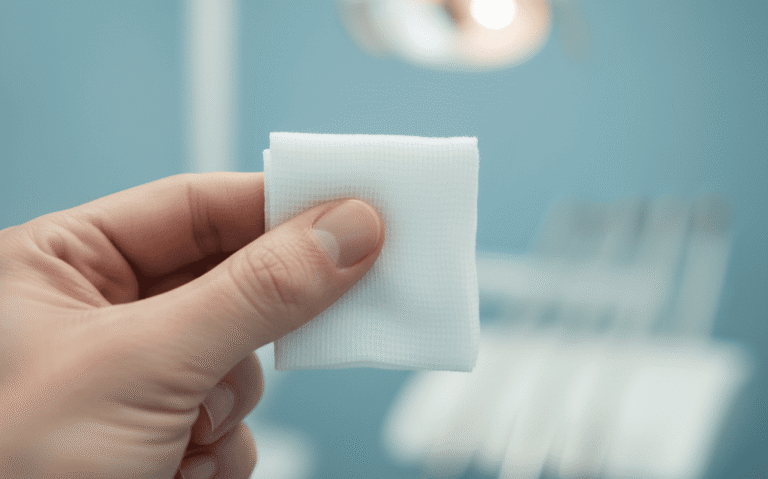
Check price on AmazonSterile 4×4 gauze pads
Bite down gently to control oozing on day 1. Keep extra at home.
Check price on Amazon📘 Want the full plan? Our Dental Recovery & Savings Bundle covers day-by-day care, pain relief and how to save on dental bills.
As an Amazon Associate we earn from qualifying purchases, at no extra cost to you. Always follow your dentist's instructions.
What to Expect Before Wisdom Teeth Removal
Your journey begins with a thorough consultation with your dentist or oral surgeon. During this appointment, they’ll examine your mouth and take digital X-rays or 3D imaging to assess the position and development of your wisdom teeth.
This imaging helps determine whether your wisdom teeth are impacted, partially erupted, or positioned in a way that could cause future problems.
Your oral surgeon will discuss the procedure in detail, including potential risks, benefits, and what your recovery timeline might look like. This is the perfect time to ask questions about anesthesia options, expected discomfort levels, and any concerns specific to your situation.

Why it helps: Contains ice packs, gauze, and oral care essentials specifically designed for post-extraction recovery.
Check Price on AmazonPre-Procedure Preparation
Your oral surgeon will provide specific instructions to follow before your appointment. These typically include:
- Fasting for 8-12 hours if you’ll be receiving general anesthesia or IV sedation
- Arranging for a responsible adult to drive you home after the procedure
- Temporarily stopping certain medications that increase bleeding risk (always consult your doctor first)
- Planning to take 2-3 days off work or school for initial recovery
- Preparing soft foods and recovery supplies at home before your appointment
If you’re wondering about how to prepare for wisdom teeth removal in more detail, proper planning can make a significant difference in your comfort level during recovery.
Anesthesia Options for Wisdom Teeth Extraction
In 2026, patients have several anesthesia options depending on the complexity of the extraction, personal anxiety levels, and medical history:
- Local anesthesia: Numbs only the extraction area; you remain fully awake
- Nitrous oxide (laughing gas): Provides mild sedation while keeping you conscious and responsive
- IV sedation: Creates a deeper state of relaxation; you’ll have little to no memory of the procedure
- General anesthesia: You’re completely unconscious during the extraction
Your oral surgeon will recommend the best option based on factors like the number of teeth being removed, their position, and your comfort preferences. Many patients wonder about what makes you loopy after wisdom teeth removal—this is typically the result of sedation medications wearing off.
Immediately After Wisdom Teeth Removal
Once the procedure is complete, you’ll be moved to a recovery area where staff will monitor you as the anesthesia wears off. Your mouth will be packed with gauze to control bleeding, and you may feel groggy or disoriented if you received sedation.
During the first night after tooth extraction, it’s normal to experience:
- Mild to moderate bleeding that gradually decreases
- Numbness in your lips, tongue, and cheeks (this will wear off within a few hours)
- Swelling that peaks around days 2-3
- Discomfort or pain that’s manageable with prescribed or over-the-counter medication
- Difficulty opening your mouth fully (trismus)

Why it helps: Designed to wrap around your jaw to reduce swelling and provide soothing cold therapy after oral surgery.
Check Price on AmazonDay-by-Day Recovery Timeline
Days 1-2: Initial Healing Phase
The first 48 hours are critical for proper healing. You’ll experience the most discomfort during this time, but following your surgeon’s instructions carefully will minimize complications.
Expect to see some blood-tinged saliva, which is completely normal. Bite down gently on gauze pads for 30-45 minutes at a time to encourage clot formation. If bleeding persists beyond the first few hours, contact your oral surgeon.
Days 3-5: Peak Swelling Period
Swelling typically reaches its maximum around day three, then gradually begins to subside. Your cheeks may appear puffy, and you might notice some bruising around your jaw. This is a normal part of the healing process.
Many patients experience the worst day of pain after wisdom tooth extraction during this period, though pain medication should keep discomfort manageable.
Days 5-7: Improvement Phase
By the end of the first week, most patients notice significant improvement. Swelling decreases, pain lessens, and you can gradually reintroduce more normal foods into your diet. However, if you’re still experiencing pain 5 days after tooth extraction, it’s worth checking in with your surgeon to rule out complications.
Days 7-14: Continued Healing
The extraction sites continue to heal from the inside out. You may still feel some tenderness, but most normal activities can resume.
Some patients notice throbbing pain 5 days after wisdom teeth removal or even pain 10 days after wisdom teeth removal—while mild discomfort is normal, severe or worsening pain warrants a call to your surgeon.
Before and After Wisdom Tooth Extraction Face Changes
One common concern patients have is whether wisdom teeth removal will change their facial appearance. The truth is nuanced:
Before extraction: Impacted wisdom teeth can sometimes cause subtle changes to jaw alignment or create pressure that affects facial structure over time.
Immediately after extraction: Swelling and bruising will temporarily change your facial appearance, making your cheeks look fuller or asymmetrical. This is completely normal and resolves as healing progresses.
Long-term changes: For most patients, there are no permanent facial changes after wisdom teeth removal. In some cases, removing impacted teeth that were causing pressure or misalignment can actually improve facial symmetry and comfort.
The temporary puffiness you see in before and after wisdom teeth removal photos typically resolves within 1-2 weeks as inflammation subsides.
Essential Do’s After Wisdom Teeth Extraction
Following these guidelines will promote faster healing and reduce your risk of complications:
- Bite on gauze pads: Apply gentle, consistent pressure for 30-45 minutes to help blood clots form at the extraction sites
- Use ice packs: Apply cold compresses to the outside of your face for 15-20 minutes on, 15-20 minutes off during the first 24-48 hours to minimize swelling
- Keep your head elevated: Sleep with your head propped up on pillows to reduce swelling and bleeding
- Rinse with salt water: Starting 24 hours after surgery, gently rinse with warm salt water (½ teaspoon salt in 8 oz water) after meals and before bed
- Take medications as prescribed: Follow your surgeon’s instructions for pain relievers and antibiotics (if prescribed)
- Eat soft, nutritious foods: Stick to foods like yogurt, smoothies, mashed potatoes, scrambled eggs, and soup for the first few days
- Stay hydrated: Drink plenty of water, but avoid using straws
- Rest adequately: Give your body time to heal by avoiding strenuous activity for at least 3-5 days
Critical Don’ts After Wisdom Teeth Extraction
Avoiding these activities is just as important as following the do’s:
- Don’t smoke or use tobacco: Smoking dramatically increases your risk of dry socket and slows healing. Learn more about smoking after tooth extraction and why it’s so problematic
- Don’t use straws: The suction can dislodge blood clots and lead to painful dry socket
- Don’t drink alcohol: Alcohol interferes with healing and can interact dangerously with pain medications. Find out when you can drink alcohol after wisdom teeth removal safely
- Don’t rinse or spit vigorously: Gentle rinsing is fine after 24 hours, but aggressive rinsing or spitting can disrupt clot formation
- Don’t eat hard, crunchy, or sticky foods: Avoid nuts, chips, popcorn, hard candy, and chewy foods that could irritate or get stuck in the extraction sites
- Don’t exercise vigorously: Wait at least 3-5 days before resuming intense physical activity. Learn how long you should wait to exercise after tooth extraction
- Don’t ignore warning signs: Contact your surgeon if you experience severe pain, excessive bleeding, fever, or signs of infection

Why it helps: Pre-portioned nutritious soft foods perfect for the first week of recovery when chewing is difficult.
Check Price on AmazonWhat to Eat After Wisdom Teeth Removal
Your diet plays a crucial role in comfortable recovery. Here’s a timeline of what to eat as you heal:
Days 1-2: Liquids and Very Soft Foods
- Smoothies (avoid using straws—use a spoon instead)
- Protein shakes
- Broth-based soups (lukewarm, not hot)
- Applesauce
- Pudding and Jell-O
- Ice cream (the cold can be soothing)
Days 3-7: Soft Foods
- Mashed potatoes
- Scrambled eggs
- Oatmeal
- Soft pasta
- Yogurt
- Cottage cheese
- Ripe bananas
- Avocado
Wondering what you can eat 7 days after wisdom teeth removal? By the end of the first week, you can typically start introducing more normal foods, though you should still avoid anything extremely hard or crunchy.
Recognizing Complications and When to Call Your Surgeon
While most wisdom teeth extractions heal without issues, it’s important to recognize warning signs that require professional attention:
Dry Socket
This occurs when the blood clot at the extraction site becomes dislodged or doesn’t form properly. Symptoms include severe pain that starts 2-3 days after surgery, bad breath, and an unpleasant taste. If your tooth extraction blood clot fell out, contact your surgeon immediately.
Infection
Signs include fever above 101°F, increasing pain after the first few days, pus or discharge from the extraction site, and swelling that worsens instead of improving. If you notice gum swelling 2 weeks after tooth extraction, this could indicate an infection.
Excessive Bleeding
Some oozing is normal for the first 24 hours, but if you experience heavy bleeding that doesn’t stop with pressure, contact your surgeon. Learn more about tooth extraction bleeding after 2 hours and when it’s concerning.
Nerve Damage
Prolonged numbness or tingling in your lips, tongue, or chin beyond the first day could indicate nerve irritation and should be reported to your surgeon.
Long-Term Care and Follow-Up
Most patients have a follow-up appointment scheduled 7-10 days after surgery. During this visit, your oral surgeon will:
- Examine the extraction sites to ensure proper healing
- Remove any non-dissolvable stitches if used
- Address any concerns or complications
- Clear you to resume normal activities and diet
Complete healing of the bone and soft tissue takes several weeks to months, but you should feel back to normal within 1-2 weeks for most daily activities.
Understanding the Benefits of Wisdom Teeth Removal
While recovery requires some patience, removing problematic wisdom teeth prevents numerous future issues:
- Prevents crowding and misalignment of other teeth
- Eliminates pain and discomfort from impacted teeth
- Reduces risk of cysts and tumors that can form around impacted teeth
- Prevents damage to adjacent teeth
- Eliminates hard-to-clean areas that are prone to decay and gum disease
Curious about what happens if you don’t get your wisdom teeth removed? While not everyone needs extraction, leaving problematic wisdom teeth in place can lead to significant dental issues down the road.
Dangerous home “hacks” to avoid
- Aspirin on the gum or tooth. Aspirin is an acid; it chemically burns the gum and does nothing for the pain. Swallow pain relievers as the label directs, never place them.
- Undiluted clove oil on an open wound or socket. A trace on a tooth can numb briefly; neat clove oil on gum tissue or a fresh socket causes burns and delays healing.
- Rinsing with alcohol, whisky, or hydrogen peroxide. They dry and irritate tissue, disturb a healing clot, and interact with pain relievers. Warm salt water is enough.
- Popping or draining a swelling yourself. Pushing on an abscess can spread the infection. Cold outside the cheek, and a dentist today.
- Leftover or borrowed antibiotics. They mask symptoms for a few days, breed resistant bacteria, and the tooth still needs treatment.
- Heat on a swollen face. Heat increases blood flow and swelling around an infection; use cold until a dentist has seen it.
The Dental Recovery & Savings Bundle gives you a day-by-day recovery calendar (what’s normal, what to eat, when to call your dentist), plus 4 scripts to lower your next dental bill. Instant PDF, $12, 30-day money-back promise.
Get the recovery bundle →
Final Thoughts on Wisdom Teeth Recovery in 2026
Wisdom teeth removal is a routine procedure with a predictable recovery timeline when you follow your oral surgeon’s instructions carefully. While the first few days require patience and rest, most patients feel significantly better within a week and return to completely normal activities within two weeks.
Remember that everyone heals at their own pace—don’t compare your recovery to others. Focus on following the do’s and don’ts outlined in this guide, eating nutritious soft foods, staying hydrated, and giving your body the rest it needs to heal properly.
If you have any concerns during your recovery, don’t hesitate to contact your oral surgeon. They’re there to support you through the entire process and ensure your healing progresses smoothly. With proper care and patience, you’ll soon be enjoying the benefits of a healthier, pain-free mouth.