
Unbearable Tooth Pain During Pregnancy? 9 Safe Home Remedies for Relief
Unbearable Tooth Pain During Pregnancy? 9 Safe Home Remedies for Relief Experiencing unbearable tooth pain during…
Unbearable Tooth Pain During Pregnancy? 9 Safe Home Remedies for Relief
Experiencing unbearable tooth pain during pregnancy is a common and frightening challenge. When you’re pregnant, any pain can be a source of anxiety, and toothache pain is especially difficult. You’re likely wondering, “What’s causing this?” and “What can I take that is safe during pregnancy?”
This comprehensive guide is here to help. We will explore the common causes of tooth pain in a pregnant woman, detail 9 safe home remedies for toothache you can try at home for immediate relief, and explain what dental treatments for toothache are considered safe at each stage of pregnancy.
What Causes Toothache and Tooth Pain When Pregnant?
If you’re experiencing tooth discomfort during pregnancy, you’re not alone. Hormonal changes during pregnancy are the primary culprit. Here are the main causes of toothache:
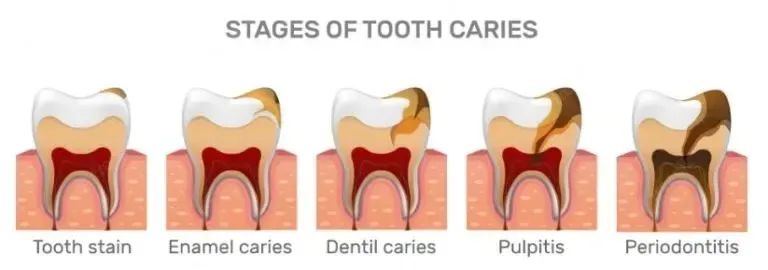
Pregnancy Gingivitis: Increased hormones (estrogen and progesterone) can cause your gum tissue to become swollen, tender, and inflamed. This condition, known as pregnancy gingivitis, is very common and can lead to tooth pain.Morning Sickness: The acid from frequent vomiting can erode your tooth enamel, leading to severe tooth sensitivity and pain.Tooth Decay(Cavities): Changes in diet (like sugary cravings) and neglect of oral health due to fatigue can increase your risk of tooth decay. A new cavity or worsening of an old one is a major source of tooth pain.Tooth Infection: If tooth decay is left untreated, it can lead to a bacterial infection deep inside the tooth. A tooth infection during pregnancy is a serious issue that requires immediate dental treatment.
9 Safe Home Remedies for Unbearable Tooth Pain While Pregnant
When you have unbearable tooth pain in the middle of the night, you need immediate, safe relief. Here are several home remedies you can try that are widely considered safe for managing tooth pain temporarily.
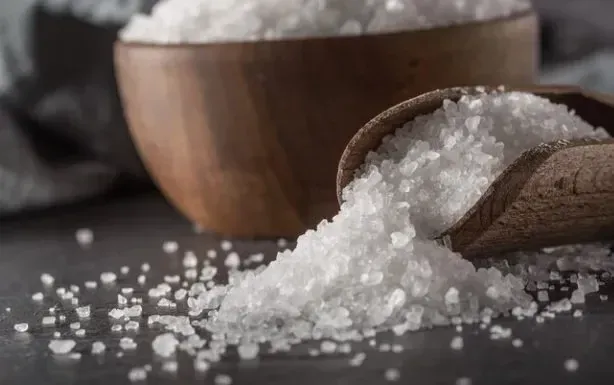
- Salt Water Rinse: This is the #1 safest remedy. Mix half a teaspoon of salt in a glass of warm water. Rinse gently (do not swish aggressively) to reduce pain and inflammation.
- Cold Compress: Apply a cold compress or ice pack to the outside of your cheek near the affected tooth for 15-20 minutes. This helps numb the pain and reduce swelling.
- Clove Oil: Clove oil is one of the most effective natural remedies. It contains eugenol, a natural antibiotic and analgesic. Apply a tiny amount of clove oil to a cotton ball and gently dab it on the affected tooth. Use it sparingly.
HIQILI 100% Pure Clove Oil (Natural Analgesic)

Why it stops the pain:
- Instant Numbing: Contains natural Eugenol to numb the nerve.
- 100% Pure: No additives, safe for targeted application.
- Massive Value: 63,000+ positive reviews can’t be wrong.
- Garlic: Garlic is a natural antiseptic. You can gently crush a garlic clove and apply it to the affected tooth for a few minutes to help pain and fight bacteria.
- Peppermint Tea Bags: Steep a peppermint tea bag, let it cool down slightly, and hold it against the affected tooth or gum. It can have a mild numbing effect.
- Maintain Gentle Oral Hygiene: Sometimes the pain is caused by trapped food. Gently brush your teeth and floss around the tooth to remove any debris that might be causing your toothache.
Primal Life Organics – Natural Toothpowder

Worried about chemicals? Go Natural.
- Fluoride-Free: 100% natural clay formula safe for pregnancy.
- Soothes Gums: Helps reduce inflammation associated with pregnancy gingivitis.
- Remineralizes: Helps repair enamel weakened by morning sickness.
- Elevate Your Head: When sleeping, use an extra pillow to elevate your head. This can reduce blood pressure in your head and lessen the throbbing toothache pain.
- Avoid Triggers: Stay away from foods that make the pain worse: anything too sugary, acidic, hot, or cold.
- Hydrate: Drink plenty of water to help rinse away food particles and acids.
Is It Safe to See a Dentist During Pregnancy?
Yes. Not only is it safe, it is crucial. Many pregnant women avoid the dentist out of fear, but an untreated tooth infection is far more dangerous to your baby than a dental procedure. Infection during pregnancy can potentially lead to complications.
The “when” is important. Your pregnancy is divided into three trimesters, and the rules for dental treatment change for each stage of pregnancy.
First Trimester (Week 1-12)
This is the most critical stage for the baby’s development. For this reason, dentists will avoid all non-emergency procedures. However, if you have unbearable tooth pain or a tooth infection, emergency dental care (like drainage or an emergency treatment) is vital to protect you and the baby from the bacterial infection.
Second Trimester (Week 13-26)
This is the safest and ideal time for dental treatment. Your body is more stable, and the risk to the baby is at its lowest. If you need a cavity filled or a root canal, your dentist will aim to do it during this trimester.
Third Trimester (Week 27-40)
It can be very uncomfortable to lie on your back for long periods during the third trimester. Like the first trimester, only emergency dental care is recommended. Any non-urgent treatment should wait until after you give birth. This is especially true if you have unbearable tooth pain while pregnant third trimester.
What Dental Treatments Are Safe During Pregnancy?
If the home remedies don’t work, your dentist has safe and effective options.
- Dental X-Rays: Yes, they are safe during pregnancy. Your dentist will use a lead apron to shield you and your baby.
- Local Anesthetic (Numbing): The numbing shots are considered safe and essential to perform treatment without stress or pain.
- Fillings: It is safely during pregnancy to get a cavity filled, especially in the second trimester.
- Root Canal Therapy: If the tooth is infected, a root canal is the best treatment to save your tooth and remove the bacterial infection. It is a safe and necessary procedure.
- Tooth Extraction: This is a last resort, but if the tooth is beyond repair, a tooth extraction is safer than letting a severe tooth infection spread.
What Pain Medications Can I Take for Tooth Pain While Pregnant?
This is the most critical question. Always take medication under the guidance of your OB/GYN or doctor.
- Acetaminophen (Tylenol): This is generally considered the safest pain relief option for pregnant women.
- Over-the-Counter Pain Relievers to AVOID: Avoid Ibuprofen (Advil, Motrin) and Aspirin, especially during the third trimester of pregnancy, as they can lead to complications.
- Antibiotics: If you have an infected tooth, your dentist will prescribe a pregnancy-safe antibiotic (like Penicillin or Amoxicillin) to clear the tooth infection.
How Can I Prevent Tooth Infections During Pregnancy?
Oral health during pregnancy is all about prevention.
Brush Your TeethTwice Daily: Use fluoride toothpaste.- Floss Daily: This is crucial to prevent
pregnancy gingivitis. - Rinse After
Morning Sickness: After being sick, don’t brush immediately (the enamel is soft). Instead, rinse your mouth with water or a water-and-baking-soda solution. - Maintain Regular
DentalCheckups: A checkup and cleaning during your second trimester is the best way to prevent tooth infections.
What’s Next? (Internal Links & Future Smile)
Dealing with dental pain during pregnancy is stressful. Your primary focus must be on your health and your baby’s safety.
[Internal Link 1] Healing After an Extraction? If your treatment requires an extraction, read our guide on what to expect: Day-by-Day Tooth Extraction Healing Stages with Pictures
[Internal Link 2] Worried About a Broken Tooth? Learn about your options here: Tooth Broke Off at Gum Line: Can It Be Saved?
After Your Pregnancy and Nursing Journey: Once your baby is born and you have finished nursing, you can focus on restoring your smile.
(Important Medical Disclaimer: Do not use any cosmetic whitening products while pregnant or breastfeeding.)
If you are looking for a safe and effective way to remove stains (perhaps from those pregnancy cravings!), we recommend looking for certified non-toxic options once you are ready.
Lumineux Teeth Whitening Strips (Enamel Safe)

Safe for your smile (Post-Pregnancy):
- No Harsh Chemicals: Certified non-toxic, uses Dead Sea salt & Coconut oil.
- Zero Sensitivity: Perfect if pregnancy made your teeth sensitive.
- Dentist Formulated: Trusted by professionals.
🤰 Pregnancy Pain & Care Kit
The top 2 essentials mentioned in this guide:
Conclusion: Summary of Key Points
If you are experiencing unbearable tooth pain during pregnancy, remember these key points:
- YES, it is an emergency. An untreated dental tooth infection is a risk to your baby.
- DO use safe home remedies like saltwater rinses and cold compresses for temporary pain relief.
- DO see your dentist. The second trimester is ideal for dental treatment, but emergency care is safe during pregnancy at any stage.
- DO NOT take any pain medications (even over-the-counter) without asking your OB/GYN or doctor first.