Ceramic Tooth Crown: Porcelain vs Zirconia Caps (2026)
Ceramic teeth caps compared: porcelain, e.max and zirconia dental crowns, how they look, how strong they are, 2026 US price of a dental cap and care tips.
✅ Quick answer
A ceramic tooth crown (or “ceramic teeth cap”) is a metal-free, tooth-colored crown made of porcelain, lithium disilicate (e.max) or zirconia. Porcelain and e.max look the most natural and suit front teeth, while zirconia is the strongest and is popular for molars. The price of a dental cap made of ceramic typically runs about $1,000 to $2,500 per tooth without insurance. Typical 2026 US estimates; they vary by region and insurance.
When a dentist says you need a cap, the next question is usually “what kind?” Ceramic crowns have become the default in many offices because they look like real teeth and have no metal to show at the gumline. But “ceramic” covers several materials, and they behave differently.
This guide compares the main types of ceramic caps, how they look and hold up, what they cost in 2026, and how to choose. For a full breakdown of every crown material and extra fees, see our tooth crown cost guide.
📩 Important: after you sign up, open the email from Go Fix Teeth and tap Confirm. Your PDF opens right away. Not there? Check Spam or Promotions.
Ceramic crown types compared
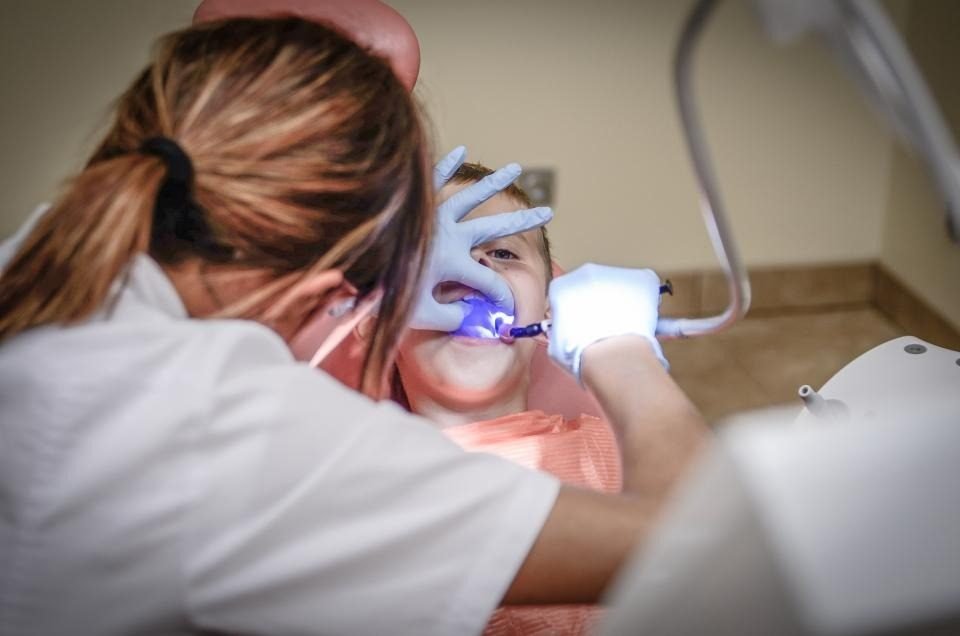
| Type | Cost (no insurance) | Look | Best for |
|---|---|---|---|
| Feldspathic porcelain | $1,000–$2,500 | Most lifelike | Front teeth |
| E.max | $1,000–$2,500 | Very natural | Front, premolars |
| Layered zirconia | $1,200–$2,500 | Natural | Front or back |
| Solid zirconia | $1,000–$2,000 | Slightly opaque | Molars, grinders |
| PFM (compare) | $900–$1,500 | Good | Budget, strength |
Typical 2026 US estimates; they vary by region and insurance. Many offices charge the same fee for e.max and zirconia. PFM (porcelain-fused-to-metal) is not all-ceramic, but it is often offered as the lower-cost alternative.
Porcelain and e.max caps
Feldspathic porcelain
This is the traditional porcelain used for very natural-looking front crowns and veneers. A skilled lab can layer it to copy the shading and translucency of your own teeth. It is the most fragile of the ceramic options, so it is rarely chosen for back teeth.
Lithium disilicate (e.max)
Lithium disilicate, widely known by the brand name e.max, is a glass-ceramic that is stronger than traditional porcelain while still letting light through like enamel. It is a common choice for front teeth and premolars. It can be bonded to the tooth, which sometimes allows a more conservative preparation. For a heavy grinder or a back molar, a dentist may choose zirconia instead.
Zirconia dental crowns
Zirconia is a very hard, tough ceramic. It comes in two main forms:
- Solid (monolithic) zirconia is milled from one block. It is highly resistant to chipping and cracking, so it is popular for molars and people who clench or grind. Older versions looked chalky; newer translucent zirconias look more natural.
- Layered zirconia has a zirconia core covered with porcelain for better looks. It is a good fit for visible teeth that still need strength, but the outer porcelain layer can chip.
Because zirconia is so strong, some dentists can make it thinner in certain cases, which may mean removing a little less tooth. Your dentist decides this based on the tooth and your bite.
How long do ceramic crowns last?
With good care, many crowns last 10 to 15 years or longer. How long yours lasts depends more on your habits and the tooth underneath than on the material alone: decay at the edge of the crown, gum disease, grinding, and chewing ice or hard objects are common reasons crowns fail. A night guard can help protect crowns if you grind.
Useful on Amazon for this job
As an Amazon Associate we earn from qualifying purchases. Always confirm fit for your exact vehicle or ask your dentist.
The Dental Recovery & Savings Bundle includes 4 ready-to-use scripts to lower your dental bill, so you can ask about cash discounts, insurance material downgrades and payment plans before you agree to the price. You also get a printable day-by-day recovery calendar. Instant PDF, $12, 30-day money-back promise.
Get the savings scripts →
Price of a dental cap: what changes the cost
- Location. Large cities usually sit at the top of the range.
- Lab and layering. A custom-shaded front crown from a high-end lab costs more than a milled molar crown.
- Same-day milling. In-office (CAD/CAM) ceramic crowns skip the temporary and second visit; the price is often similar.
- Extra steps. A core build-up, root canal or crown lengthening can add hundreds to over a thousand dollars.
- Insurance downgrade. Some plans pay only the PFM or metal rate on back teeth, and you pay the difference for ceramic.
With insurance that covers crowns at around 50% after the deductible, many people pay about $500 to $1,250 for a ceramic crown. Ask for a written estimate and a pre-treatment estimate from your insurer. Ways to save, like dental schools, discount plans and FSA or HSA funds, are covered in our tooth crown cost guide.
Ceramic crown vs porcelain-fused-to-metal
Porcelain-fused-to-metal (PFM) crowns were the standard for decades, and many are still placed today. They have a metal base under a porcelain layer, so they are strong and often a little cheaper. The trade-offs are mostly about looks: the metal blocks light, so the crown can look flatter than a natural tooth, and a thin gray line may show at the gumline if the gum pulls back over time. The porcelain layer can also chip off the metal.
All-ceramic crowns avoid the metal line and let light pass through more like enamel. That matters most on front teeth and on people whose gums show when they smile. On a back molar that nobody sees, a PFM or solid zirconia crown may be the more practical choice, and some insurance plans pay more toward those. If you have a known metal allergy or sensitivity, tell your dentist, since an all-ceramic crown avoids metal completely.
Ceramic crown vs veneer
A crown covers the whole tooth and is used when a tooth is weakened, cracked, heavily filled or treated with a root canal. A veneer is a thin shell bonded only to the front of the tooth, mainly to improve its look. Veneers need less tooth removed but don’t protect a weak tooth. If your tooth is healthy and you only want to change its color or shape, ask whether a veneer is an option. See tooth crown vs veneer for a side-by-side comparison.
Choosing the right ceramic cap
Questions worth asking your dentist:
- Which material do you recommend for this tooth, and why?
- Do I grind or clench, and does that change your choice?
- Is this crown layered or solid?
- Will my insurance pay the full ceramic rate or downgrade it?
- Is the build-up or temporary included in the price?
In general, dentists lean toward e.max or layered ceramics for front teeth where looks matter most, and solid zirconia for back teeth that take heavy biting forces. But your bite, the amount of tooth left and the color of the tooth underneath all play a part.
Caring for a ceramic crown
- Brush twice a day and floss daily, paying attention to the edge where the crown meets the gum.
- Avoid chewing ice, hard candy, pens or opening packages with your teeth.
- Wear a night guard if your dentist recommends one.
- Keep regular checkups so your dentist can spot decay at the crown edge early.
- Know that ceramic doesn’t whiten. If you plan to whiten your teeth, do it before the crown shade is chosen.
If your ceramic crown chips, our guide to a chipped tooth crown explains the next steps.
See a dentist promptly if…
- A crowned tooth hurts when you bite or is sensitive to hot or cold for a long time
- The crown feels loose, cracks or chips
- The gum around the crown is swollen, bleeds or has a pimple-like bump
- The crown comes off; keep it and call your dentist
Seek emergency care right away, or call 911, for facial swelling that is spreading, fever with tooth pain, or trouble swallowing or breathing.
Frequently asked questions
Is a ceramic crown the same as porcelain?
Porcelain is one type of ceramic. “Ceramic crown” can also mean e.max or zirconia, which are stronger.
Is zirconia better than e.max?
Zirconia is stronger; e.max usually looks more natural. Many dentists use e.max in front and zirconia in back.
How much is a ceramic tooth cap?
Typically about $1,000 to $2,500 per tooth without insurance in the US in 2026.
Do ceramic crowns stain?
The glazed surface resists stains well, but it won’t change color with whitening, so the crown can look different if your other teeth change shade.
Can you get a ceramic crown in one day?
Yes, at offices with in-house milling. Many e.max and zirconia crowns can be made and placed in a single visit.
Sources
- Cleveland Clinic. Dental Crowns.
- American Dental Association, MouthHealthy. Crowns.
- American Dental Association, MouthHealthy. Veneers.
- Cleveland Clinic. Cavities.
This article is for general education and does not replace advice from your dentist, who can examine your tooth and recommend the right crown material.