Dental Bonding Cost in 2026: Price Per Tooth and Before and After
How much does dental bonding cost per tooth in 2026? What it can fix, how long it lasts, bonding vs veneers, and what realistic before and after looks like.
✅ Quick answer
Dental bonding typically costs about $250 to $650 per tooth without insurance in the US in 2026, with small chip repairs sometimes as low as $150 to $350. Full-coverage composite veneers placed with bonding often run $400 to $1,500 per tooth. Insurance usually pays only when bonding repairs damage, such as a chipped tooth or cavity, not when it’s purely cosmetic. Bonding commonly lasts about 3 to 10 years before it needs touching up. Typical 2026 US estimates; they vary by region and insurance.
Dental bonding is one of the quickest and least expensive ways to improve how a tooth looks. The dentist paints a tooth-colored resin onto your tooth, shapes it, hardens it with a light and polishes it. It’s usually done in one visit, often without numbing, and very little natural tooth is removed.
Because it’s done by hand, the result depends a lot on the dentist’s skill and on what you’re trying to fix. This guide covers typical dental bonding costs, what bonding can and can’t fix, how it compares with veneers, and what realistic before-and-after results look like.
📩 Important: after you sign up, open the email from Go Fix Teeth and tap Confirm. Your PDF opens right away. Not there? Check Spam or Promotions.
How much does dental bonding cost? (2026 prices)
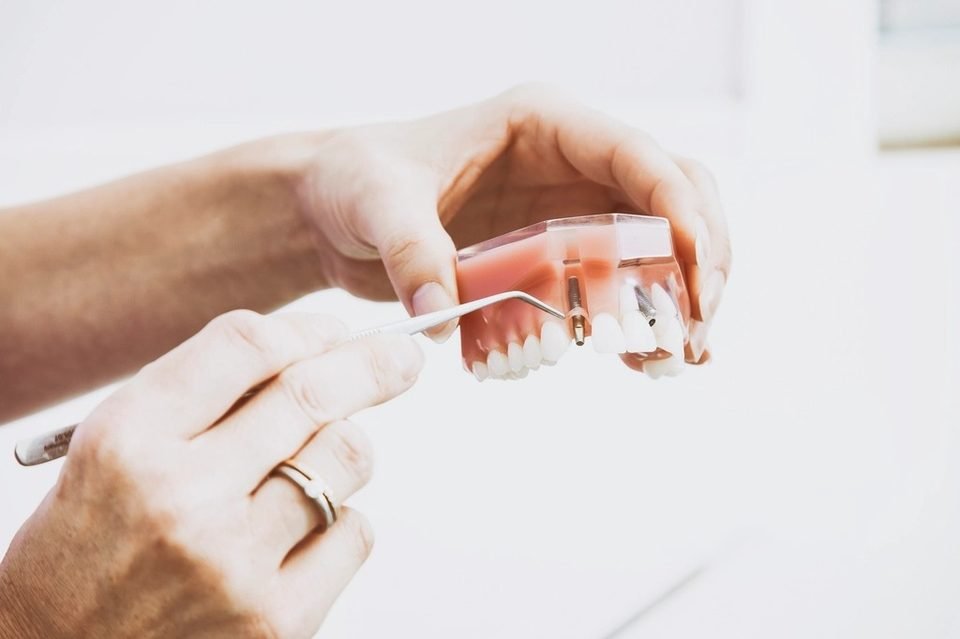
| Option | Cost per tooth (no insurance) | Typical lifespan |
|---|---|---|
| Small chip repair | $150–$350 | 3–10 years |
| Cosmetic bonding (gap, shape) | $250–$650 | 3–10 years |
| Composite veneer | $400–$1,500 | 4–8 years |
| Porcelain veneer | $900–$2,500 | 10–15 years |
| Crown (for comparison) | $1,000–$2,000 | 10–15 years |
Typical 2026 US estimates; they vary by region and insurance. Lifespans are common ranges, not guarantees. Biting habits, grinding, coffee, tea and smoking can shorten them, and good care can stretch them.
Price differences come from how much resin is added, how many shades are layered, how long the dentist spends shaping it, and where you live. Cosmetic dentists in big cities often charge at the top of the range or above it. Some offices offer a lower per-tooth price when several teeth are bonded in one visit.
What dental bonding can fix
- Chipped or cracked edges on front teeth
- Small gaps between teeth, such as a gap between the two front teeth
- Uneven or short teeth, by adding length or evening out edges
- Discolored spots, like white or brown patches that don’t respond to whitening
- Exposed roots near the gumline that are sensitive or look darker
- Small cavities, where tooth-colored filling material is bonded in
Bonding works best for small to moderate changes on front teeth, where biting forces are lighter.
What happens at a bonding appointment
- Shade matching. The dentist compares resin shades to your teeth, usually in natural light, before your teeth dry out and look lighter.
- Preparing the tooth. The surface is lightly roughened and a mild conditioning liquid is applied so the resin can grip. Numbing usually isn’t needed unless decay is being removed.
- Building and shaping. Resin is added in thin layers, shaped by hand and hardened with a blue curing light.
- Polishing and bite check. The dentist trims and polishes the bonding to match the shine of nearby teeth and checks that it doesn’t hit too hard when you bite.
You can usually eat and go back to work right away. It’s common for the tooth to feel a little different to your tongue for a day or two. If the edge feels high or rough after a few days, call the office, since a quick adjustment is usually simple.
What bonding usually can’t fix
- Badly crooked or crowded teeth, which usually need orthodontics
- Large breaks, especially on back teeth that take heavy chewing
- Very dark staining across many teeth, which resin may not fully mask
- Teeth with active decay or gum disease, which need treatment first
- Heavy grinding, which can chip bonding quickly unless you wear a night guard
Dental bonding before and after: what’s realistic
Before-and-after photos online are usually the best cases, taken in perfect lighting and sometimes edited. Here’s what results tend to look like in real life:
- A chipped front tooth usually goes from a visible notch or jagged corner to an edge that matches the tooth next to it. Up close, a careful observer might see a faint line where the resin meets the tooth. From a normal talking distance, most people won’t notice.
- A gap between front teeth can often be closed or narrowed in one visit. The teeth may look slightly wider than before, so very large gaps can end up looking bulky. In that case orthodontics may give a better result.
- Uneven edges can be evened out so your smile line looks smoother, often a subtle change that people notice without knowing why.
- Stains and spots can be covered, but the resin is matched to your current tooth shade. If you want whiter teeth overall, whiten first and wait about two weeks before bonding, because bonding won’t whiten later.
Bonded resin is a little less glossy than enamel over time and can pick up stains. Expect a fresh, polished look on day one and gradual dulling over the years, which a polishing visit can often improve. When you look at a dentist’s photos, ask to see cases similar to yours and, if possible, photos taken a year or more later.
Useful on Amazon for this job
As an Amazon Associate we earn from qualifying purchases. Always confirm fit for your exact vehicle or ask your dentist.
The Dental Recovery & Savings Bundle includes 4 ready-to-use scripts to lower your dental bill, so you know exactly what to ask about cash prices, multi-tooth pricing and payment plans for cosmetic work. You also get a printable day-by-day recovery calendar you can use after other dental treatment, such as a filling or extraction. Instant PDF, $12, 30-day money-back promise.
Get the savings scripts →
Bonding vs veneers
Both bonding and veneers cover the front of the tooth, but they’re made and placed differently.
- Cost: Bonding is usually a fraction of the cost of porcelain veneers per tooth.
- Tooth removal: Bonding usually needs little or no enamel removed. Porcelain veneers often need a thin layer removed, which is generally permanent.
- Time: Bonding is commonly done in one visit. Porcelain veneers usually take two or more visits.
- Stain resistance: Porcelain resists stains better and keeps its shine longer.
- Durability: Porcelain veneers typically last longer. Bonding can chip but is easy to repair in the chair.
Bonding is a good fit for one or two teeth with small problems, or for someone who wants a reversible, lower-cost option. Veneers are often chosen for larger changes across many teeth. Some people start with bonding and move to veneers later.
Does insurance cover dental bonding?
Insurance generally doesn’t pay for bonding done only for appearance, like closing a gap or reshaping a tooth. It often does pay when bonding repairs a cavity, a chipped or broken tooth from an injury, or exposed sensitive roots. In those cases it’s usually billed as a tooth-colored filling and covered as a basic service, commonly at about 70% to 80% after the deductible. Ask the office for a pre-treatment estimate so you know which category your treatment falls into.
How long bonding lasts and how to care for it
Many people get several years out of bonding, and some get a decade or more. To help it last:
- Don’t bite nails, pens, ice or hard candy with bonded teeth
- Cut tough foods like crusty bread and apples into smaller pieces
- Rinse with water after coffee, tea or red wine, and avoid smoking
- Brush twice a day with fluoride toothpaste and a soft brush, and floss daily
- Wear a night guard if you grind or clench
- Keep regular cleanings, where small chips and stains can be polished or touched up
See a dentist promptly if…
- A tooth chipped and now hurts or is sensitive to hot or cold
- A broken tooth shows a pink or red spot, which can mean the nerve is exposed
- Bonding has a sharp edge cutting your tongue or lip
- A dark line or spot appears around older bonding, which can be new decay
Seek emergency care right away, or call 911, if a tooth is knocked out, you have a jaw injury, facial swelling that is spreading, or trouble swallowing or breathing.
Frequently asked questions
How much is dental bonding per tooth?
Typically about $250 to $650 per tooth without insurance in the US in 2026, and sometimes less for a small chip.
Does dental bonding hurt?
Usually not. Numbing often isn’t needed unless the bonding is also repairing a cavity or covers a sensitive area.
Can bonding be whitened?
No. Whitening products don’t change the color of resin. Whiten your natural teeth before bonding if you want a lighter shade.
Is bonding cheaper than veneers?
Yes, in most cases. Porcelain veneers often cost two to four times more per tooth, though they usually last longer.
Can bonding be removed?
Often yes, since little or no enamel is removed. Your dentist can polish it off or replace it with another option later.
How long does a bonding appointment take?
Often about 30 to 60 minutes per tooth.
Sources
- Cleveland Clinic. Dental Bonding.
- American Dental Association, MouthHealthy. Veneers.
- Cleveland Clinic. Dental Fillings.
- National Institute of Dental and Craniofacial Research. Finding Low-Cost Dental Care.
This article is for general education and does not replace advice from your dentist, who can examine your teeth and give you an exact quote.